
Choosing the right Concrete Nail for your projects is crucial for durability and strength. Concrete nails serve a unique purpose. They attach materials to concrete surfaces, providing a secure bond. However, not all concrete nails are the same. Variations exist in size, coating, and material. Each type can influence the nail's effectiveness based on the specific project requirements.
When selecting concrete nails, expertise and knowledge matter. Understanding the differences in nail styles can improve your project’s outcome. Manufacturers provide specifications, but experience tells a different story. A nail that works well in one scenario may fail in another. Testing different options on small projects can reveal what works best for your needs.
Concrete nails might seem simple, but their selection is often overlooked. Rushing can lead to mistakes. Consider the conditions where the nail will be used. Are you working in wet or dry environments? Reflect on factors like load-bearing capacities and surface materials. A thoughtful approach to choosing concrete nails will yield better results. The right choice makes a difference in your project's success.
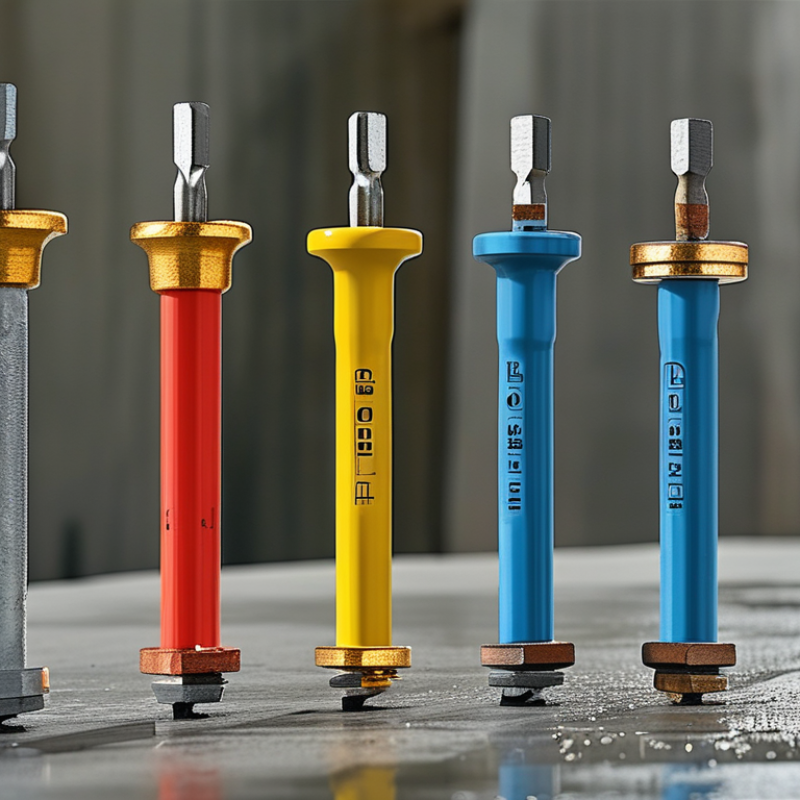
Choosing the right concrete nail is crucial for the success of your construction projects. Several factors should influence your decision. The material of the nail affects its durability and performance. Stainless steel nails resist rust, while hot-dipped galvanized nails offer a balance of strength and corrosion resistance. According to industry reports, using the correct nail material can improve lifespan by 30% in moist environments.
Another important factor is the diameter of the nail. Thicker nails provide more holding power, which is essential for heavier materials. However, they may cause more cracking in concrete. A study showed that using the appropriate gauge can reduce structural failure by 25%. It’s vital to match the nail size to your project requirements.
Here’s a tip: Always pre-drill holes when working with dense concrete. This can prevent splitting and ensure better insertion. Another tip is to consider nail length. Longer nails penetrate deeper, providing better grip. However, they may require more effort to install. Striking a balance between ease of use and strength is key.
This bar chart illustrates the importance levels of various factors to consider when choosing concrete nails for construction projects. Factors like material quality and length are deemed most critical, while head type is comparatively less significant.
When it comes to concrete nails, understanding the different types is essential. There are three main categories: standard concrete nails, masonry nails, and hardened nails. Each type has its own applications, which makes it important to choose wisely. Standard concrete nails are versatile and commonly used for general purposes. They can anchor items to concrete and work well in various projects.
Masonry nails are specifically designed for brick or other masonry surfaces. They have a unique design that helps them penetrate hard materials. These nails are often used in landscaping or building walls. On the other hand, hardened nails are made from high-strength steel. They can drive deeper into concrete without bending. These nails are ideal for heavy-duty applications.
Selecting the right concrete nail is a crucial step in any construction project. It can affect the durability of the installation. It’s essential to consider factors like the materials involved and the load requirements. Sometimes, choosing the right nail may seem straightforward. But the implications of a wrong choice can lead to failure. Rethinking the specific needs of your project is vital for achieving the best results.
| Type of Concrete Nail | Material | Length (inches) | Diameter (inches) | Common Applications |
|---|---|---|---|---|
| Smooth Shank Nail | Steel | 3 | 0.125 | General construction and light-duty tasks |
| Ring Shank Nail | Galvanized Steel | 2.5 | 0.092 | Framing and heavy-duty applications |
| Concrete Screw | Steel | 1.5 | 0.25 | Mounting fixtures and installations |
| Tapered Nail | Aluminum | 4 | 0.12 | Decorative applications |
| Flat Head Nail | Stainless Steel | 3 | 0.15 | Heavy framing and structural connections |
Choosing the right concrete nail is crucial for the success of your project. Length and diameter are key factors in making the right choice. A nail that is too short may not penetrate deeply enough, while one that is too long could cause cracking in the concrete. Ideally, you want a nail that embeds securely without excessive strain on either the nail or the concrete.
When considering diameter, remember that a thicker nail may provide better holding power. However, using a nail that is too thick can make it hard to drive into the concrete properly. It might require extra force, leading to potential damage. Some projects may even benefit from mixing different sizes, allowing for adaptability in various sections of your work.
Always consider the specific requirements of your project. In some cases, a common mistake is overlooking the surface preparation. If the surface is uneven, even the best-sized nails might fail. Testing a few options can yield better results. Your goal should be not just to secure materials, but to ensure longevity and durability in your construction. Making thoughtful choices in nail size reflects your commitment to quality.
When selecting a concrete nail, understanding its material composition is crucial. Concrete nails are typically made from hardened steel, but variations exist. Some have a coating for added rust resistance. The choice of material can affect durability and performance. Consider the environment where the nail will be used. If exposed to moisture, opt for galvanized nails to prevent corrosion.
A lesser-known aspect is the hardness of the nail. Harder nails provide better strength but may crack under extreme conditions. It's essential to think about the specific project requirements. If you're working on lightweight jobs, softer nails might suffice. Yet, they may not endure heavy-duty applications.
Also, pay attention to the nail’s diameter. Thicker nails can offer enhanced grip, but may require pre-drilling. Reflect on your project’s expectations. Evaluate previous outcomes with different nail types. Learning from past experiences can guide new choices.
While expertise is valuable, don’t overlook the need for trial and error. Adjusting your approach based on real-world performance is key to mastering concrete nail selection. Choose wisely, and your projects will benefit.
Concrete nails are essential for various construction projects. Knowing the right installation techniques ensures effectiveness and durability. Proper technique can make a significant difference in your results.
Start by selecting the right hammer for the job. A heavier hammer can drive the nail deeper. Use a hammer with a smooth face to avoid damage to the concrete surface. Position the nail at a slight angle for better grip. This prevents it from bending during installation.
Tips: Always drill a pilot hole if the concrete is particularly hard. This reduces the risk of splitting and guides the nail in. Wear safety goggles, as flying debris can cause injury. It may take some practice to get it right. Don’t be discouraged if your first attempt isn’t perfect. Learn from the process and adjust your technique.
: Consider material, diameter, and length for durability and performance.
Different materials affect rust resistance and overall lifespan, especially in moist conditions.
Thicker nails offer better holding power, but can cause concrete cracking.
Yes, pre-drilling avoids splitting and ensures easier insertion in dense concrete.
There are standard, masonry, and hardened nails, each suited for specific applications.
Longer nails penetrate deeper, enhancing grip but may require more installation effort.
Not necessarily; while they are strong, they may crack in extreme conditions.
Reflecting on previous projects can guide you to make better choices in the future.
Yes, poor selection can lead to structural failures and compromise overall durability.
Aim for a combination of ease of use and strength, tailored to your project needs.
When selecting the best concrete nail for your projects, several key factors should be considered. These include the specific type of concrete nail suitable for your application, as different nails are designed for various tasks, such as anchoring or fastening. It is also essential to choose the right length and diameter to ensure a secure fit, as well as to assess the material composition for durability based on the environmental conditions.
Furthermore, understanding proper installation techniques can significantly enhance the effectiveness of concrete nails. By paying attention to these aspects, you can maximize the performance of your project and ensure a strong, lasting hold. Selecting the right concrete nail is crucial for achieving optimal results in any concrete-related project.
SINSUN