
10 Tips for Buying Nuts and Bolts in Bulk

Time:2026-09-24 Author:Aria
0%

Buying Nuts And Bolts in bulk looks simple until the first shipment arrives. Boxes may contain the wrong thread pitch, inconsistent finishes, or sizes your workshop rarely uses. A lower unit price can hide storage costs, damaged packaging, and expensive returns. This guide presents ten practical tips for choosing bulk fasteners with greater confidence.

Dr. John Bickford, a respected authority on bolted-joint engineering, explains the basic principle clearly: “A bolt is not merely a pin; it acts like a spring.” That insight matters when comparing strength grades, tightening requirements, and joint performance. The cheapest fastener may fail your application if its material or geometry is unsuitable. Check diameter, thread type, length, grade markings, coating, and certification before placing a large order. Small labels matter.

Experience also changes the buying decision. A contractor may need thousands of zinc-plated hex bolts, while a maintenance team may need smaller mixed quantities. Count your monthly usage. Inspect sample pieces under bright light. Ask suppliers how they control batch consistency and protect threads during transport. Store cartons away from moisture, concrete floors, and chemical vapors. Do not assume every “standard” item fits your equipment.

There is room for caution here. Bulk purchasing can reduce waste, but it can also multiply a poor decision. A trial order may feel slower. It is often wiser. The following tips help buyers balance price, performance, traceability, and real-world usability when sourcing Nuts And Bolts.
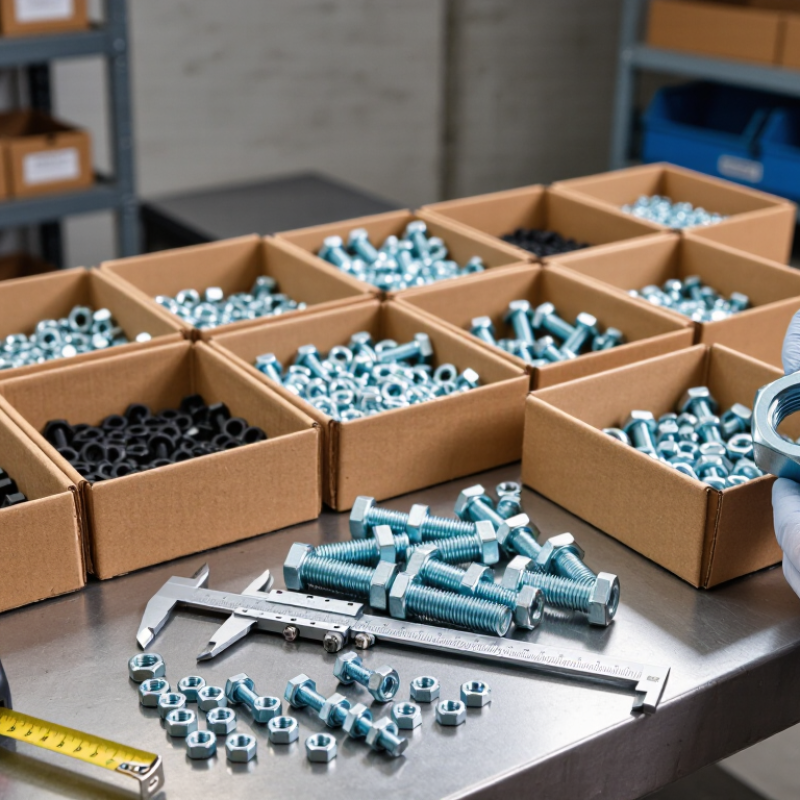
10 Tips for Buying Nuts and Bolts in Bulk

Define Your Project’s Nut and Bolt Requirements

Before ordering nuts and bolts in bulk, define exactly what your project needs. Identify the material, diameter, thread type, pitch, length, head style, and nut shape. A bolt that looks suitable may still have the wrong thread. Measure existing hardware with calipers and a thread gauge when possible.

Write each specification in a clear parts list. Include the required strength grade, surface finish, and corrosion resistance. Outdoor frames may need stainless or coated hardware, while indoor cabinets often need less protection.

Check whether washers, lock nuts, or spacers are also required. Small omissions create expensive delays.

I once ordered bolts by length alone. That assumption was wrong. The heads interfered with a mounting bracket, so the parts could not seat properly. Allow for material thickness, washers, and thread engagement before calculating length.

For quantity, count every connection and add a modest spare percentage. Ten percent is often practical, but complex assemblies may need more. Do not guess blindly.

Separate the list by size and application. Store each type in labeled containers, including thread details and quantity. Request samples before approving a large purchase, especially when tolerances matter.

Test several pieces by hand, then verify fit with the actual tools and mating parts. A clean specification protects your budget, but real assembly testing reveals problems that measurements can miss.

Choose the Right Materials, Sizes, and Thread Types

10 Tips for Buying Nuts and Bolts in Bulk

Bulk buying rewards disciplined specifications, not the lowest carton price. Start with the service environment. Carbon steel suits many indoor applications, while stainless steel performs better near moisture and salt. Zinc-plated fasteners can resist light corrosion, but damaged coatings expose the steel quickly. World Steel Association’s World Steel in Figures 2024 reports 1.89 billion tonnes of crude steel production in 2023. That scale supports availability, but it does not prove suitability.

Confirm the diameter, length, pitch, and thread system before ordering. Metric threads follow ISO 261 dimensions, while Unified threads use UNC or UNF conventions. Never mix them casually. A bolt may enter a hole and still damage its threads. Measure a sample with calipers and a pitch gauge. Check whether the specification requires coarse or fine threads. Coarse threads tolerate rough handling better; fine threads offer more adjustment and clamping control. I have learned this the expensive way.

Strength markings deserve equal attention. ISO 898-1 defines mechanical properties for carbon steel fasteners, including property classes such as 8.8 and 10.9. Match the bolt, nut, and washer ratings. A stronger bolt cannot compensate for a weak nut. Also inspect certificates, lot numbers, plating details, and dimensional samples. ASTM testing methods can support corrosion or mechanical verification, but paperwork alone is not proof. Keep a small reserve for damaged pieces and counting errors. Bulk packaging often hides them. Recheck the first opened carton before accepting the full shipment.

Compare Quality Standards, Suppliers, and Bulk Pricing

When buying nuts and bolts in bulk, compare quality standards before comparing prices. Check material grade, thread accuracy, hardness, and corrosion resistance. Ask for inspection reports, dimensional records, and coating details. A reliable supplier should explain testing methods clearly. Request samples from the same production line. Small details matter.

Compare suppliers by more than catalog variety. Review their manufacturing experience, quality controls, production capacity, and response time. Confirm traceability for each batch, including lot numbers and inspection dates. Examine packaging carefully; crushed cartons can damage threads before delivery. Clarify tolerances, replacement policies, lead times, and payment terms. Ask whether outside laboratories verify critical specifications. Communication is evidence.

Bulk pricing needs a complete cost comparison. Include unit price, tooling fees, packaging, freight, taxes, and possible inspection charges. A larger order may reduce the unit cost but increase storage risks. Request price breaks at several quantities. Keep a written quotation with validity dates. I once focused too heavily on the lowest quote. The delivery delay cost more than the savings. That mistake still influences my buying process. Leave room for defects, changing demand, and imperfect forecasts. Cheap is not always efficient.

10 Tips for Buying Nuts and Bolts in Bulk: Compare Quality Standards, Suppliers, and Bulk Pricing

This chart compares the nominal tensile strength associated with common ISO 898-1 bolt property classes. Higher-strength classes require compatible nuts, verified material certificates, controlled heat treatment, and incoming inspection. When comparing bulk suppliers, review standard compliance, lot traceability, thread accuracy, corrosion protection, delivery consistency, and the total landed price rather than unit price alone.

Verify Quantities, Packaging, and Storage Conditions

When ordering nuts and bolts in bulk, verify the count before accepting a pallet. Compare the purchase order with carton labels, then weigh a sample carton against its stated net quantity. For small hardware, a few missing pieces can disrupt an assembly run. U.S. National Institute of Standards and Technology Handbook 133 describes procedures for checking packaged goods by weight, including sampling methods. Ask the supplier how quantities are counted and whether cartons contain a stated piece count or a weight-based estimate. They are not always the same. Keep the delivery record and photograph damaged or opened cartons before moving stock.

Packaging and storage matter just as much as the count. Look for sealed, sturdy containers that prevent parts from spilling, mixing, or rubbing against one another. Confirm that fastener type, size, material, and grade appear clearly on each label. Store cartons off concrete floors, away from leaks and condensation; add shelf labels so similar sizes do not get mixed. This is not overcautious. The NACE IMPACT study estimated global corrosion costs at about $2.5 trillion annually, or 3.4% of global GDP. That figure covers corrosion broadly, not just stored fasteners, but it shows why moisture control deserves attention. Inspect a few pieces from each carton. A dry-looking box can still hide damp hardware.

Inspect Your Order and Plan for Future Purchases

When cartons arrive, inspect them before placing anything into storage. Open several boxes, not just the one on top. Count samples from different cartons and compare them with the packing list. Check thread shape, diameter, length, finish, and head style under bright light. A small defect can stop an entire assembly line. Look for mixed sizes, damaged threads, oil stains, or loose packaging. Use calipers for critical measurements, and keep a simple inspection sheet nearby. I once trusted a quick visual check and missed a short batch. That mistake delayed a repair job. The first count is rarely perfect.

Photograph unusual defects and record the carton number, quantity, and inspection date. These details help when discussing replacements or reviewing supplier performance. Separate acceptable hardware from questionable pieces immediately. Then update your purchasing plan with actual usage, not guesses. Track how many nuts and bolts each project consumes per week. Add a modest reserve for urgent repairs, but avoid filling shelves with slow-moving sizes. Storage space has a cost. Review the list after each project and adjust the next order. Seasonal work may change demand more than expected. Ask technicians which sizes disappear fastest, because inventory records sometimes hide practical problems. Leave room for correction. Plans need revision.

FAQS

What quality details should buyers compare before ordering nuts and bolts in bulk?

Compare material grade, thread accuracy, hardness, and corrosion resistance. Request inspection reports and dimensional records. Ask for coating details and testing methods. Small differences matter.

How can buyers evaluate a supplier beyond product variety?

Review manufacturing experience, quality controls, capacity, and response time. Confirm batch traceability through lot numbers and inspection dates. Check replacement policies, lead times, and tolerances. Communication is evidence.

What costs should bulk pricing include?

Compare unit prices, tooling fees, packaging, freight, taxes, and inspection charges. Request price breaks at several quantities. Keep written quotations with validity dates. Cheap is not always efficient.

How should buyers verify delivered quantities?

Compare carton labels with the purchase order. Weigh a sample carton against its stated quantity. Ask whether pieces are counted individually or estimated by weight. They differ sometimes.

What packaging and storage conditions help protect fasteners?

Choose sealed, sturdy cartons that prevent spilling and rubbing. Keep boxes off concrete floors. Avoid leaks, condensation, and damp corners. Dry-looking cartons can hide moisture.

What should buyers inspect when cartons arrive?

Open several cartons from different pallet positions. Check thread shape, diameter, length, finish, and head style. Use calipers for critical measurements. Bright light helps.

What should happen when defects or shortages appear?

Photograph unusual defects and record the carton number, quantity, and inspection date. Separate questionable pieces immediately. Contact the supplier using the packing list and inspection records. My first count was not perfect.

How can businesses plan better for future purchases?

Track weekly usage for each size and project. Add a modest reserve for urgent repairs. Avoid filling shelves with slow-moving parts. Technicians may notice shortages that records miss. Plans need revision.

Conclusion

Buying Nuts And Bolts in bulk can save time and money, but careful planning is essential. Start by defining your project’s requirements, including the required quantities, dimensions, load demands, and intended applications. Select suitable materials, sizes, finishes, and thread types to ensure compatibility, durability, and reliable performance. It is also important to compare quality standards, supplier experience, product consistency, and total bulk pricing rather than focusing only on the lowest initial cost.

Before placing an order, verify the exact quantity, labeling, packaging, and storage conditions to reduce the risk of damage, corrosion, or mix-ups. When the shipment arrives, inspect the products for correct specifications, visible defects, and uniform quality. Keep organized records of the items purchased, including sizes and thread details, so future orders can be placed more efficiently. By combining clear specifications, careful supplier evaluation, secure storage, and thorough inspection, buyers can make confident bulk purchases and maintain a dependable supply for upcoming projects.

Aria

Aria

Aria is a dedicated marketing professional with a deep passion for innovative strategies and a keen understanding of our company's product offerings. With a wealth of experience in the industry, Aria excels at crafting engaging content that highlights the unique features and benefits of our......