
In the world of manufacturing and construction, Bugles Screws play a crucial role. These screws are designed for specific applications and offer unique advantages. Understanding the nuances of Bugles Screws is essential for effective sourcing.
Bugles Screws feature a distinctive head that allows for deeper seating into materials. This design minimizes the risk of splitting, providing a secure fit. Sourcing quality Bugles Screws requires insight into material types and coatings. Not all screws are the same, so it's vital to choose wisely.
Quality assurance is paramount. Consulting industry standards can help identify reliable suppliers. Nonetheless, the marketplace is filled with varying quality levels. Reflecting on these differences can guide your purchasing decisions. Being informed about Bugles Screws ensures you meet your project requirements effectively.
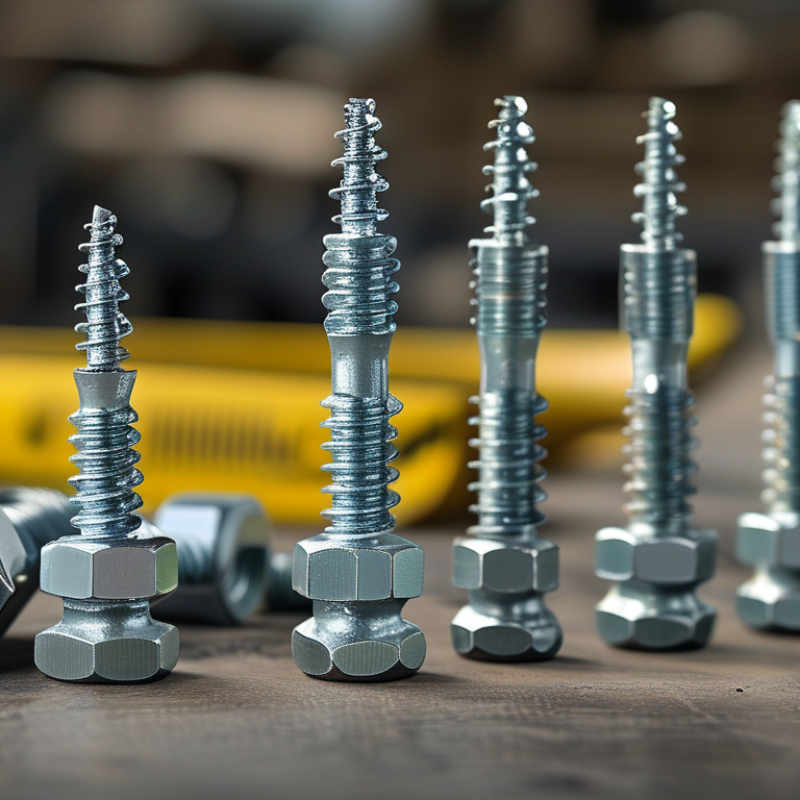
Bugle screws are a specialized type of fastener essential for construction and woodworking. These screws have a unique head shape, which allows them to countersink easily into the material. This design feature prevents splitting and provides a flush finish. When sourcing bugle screws, it’s vital to understand their application and benefits.
In addition to their distinctive head design, bugle screws are made from various materials, including steel and stainless steel. Each material offers different properties, such as resistance to rust and corrosion. When selecting bugle screws, consider the specific environment they will be used in. In outdoor settings, for example, corrosion resistance is paramount.
Understanding how to choose the right bugle screws can be overwhelming. Not every screw will suit your needs. It’s essential to consider factors like thread type, length, and coating. Sometimes, even small decisions lead to significant implications in a project. Failure to select the correct screw can result in structural issues. So, careful evaluation and sourcing cater to different project requirements.
Bugle screws come in various materials and coatings that cater to distinct global applications. Commonly, you will find them made from carbon steel, stainless steel, or brass. Carbon steel offers strength, while stainless steel provides rust resistance. Brass is often selected for its aesthetic appeal and anti-corrosive properties. The right material ensures the durability and performance of these screws in diverse environments.
Coatings significantly impact the functionality of bugle screws. Zinc plating is widely used for basic corrosion protection. However, more specialized coatings exist. For example, polymer-based finishes enhance chemical resistance. These coatings not only improve longevity but also help in reducing friction during installation. Nevertheless, it is crucial to evaluate the compatibility of screws with targeted materials and environmental conditions.
Despite advancements in materials and coatings, imperfections still arise. Some screws may not perform as expected under certain conditions. Users must remain vigilant about proper selection and application. Testing various options is advisable to ensure optimal performance. This proactive approach aids in fine-tuning sourcing strategies for reliable global use.
| Screw Type | Material | Coating | Application | Strength |
|---|---|---|---|---|
| Bugle Head Wood Screw | Steel | Zinc Plated | Wood, Furniture | Medium |
| Bugle Head Drywall Screw | Carbon Steel | Black Phosphate | Drywall, Gypsum Board | High |
| Bugle Head Metal Screw | Stainless Steel | Galvanized | Sheet Metal, HVAC | Very High |
| Bugle Head Deck Screw | Brass | Coated | Decking, Outdoor | High |
| Bugle Head Self-Tapping Screw | Alloy Steel | TiN Coating | Various Materials | High |
Bugle screws are widely used across various industries due to their unique design and functionality. In construction, they are particularly valued for their ability to create strong, stable connections. Their self-countersinking head reduces the risk of splitting wood and achieves a flush finish. This is crucial when building frames, roofs, or decks, where aesthetics and integrity matter.
The automotive sector relies on bugle screws for lightweight applications. They are often used in assembling components where traditional fasteners may add unnecessary weight. Many manufacturers appreciate their ability to secure parts securely while maintaining a sleek profile. However, the demand for these screws can lead to supply chain challenges. It's essential to assess material specifications and compatibility to prevent future assembly issues.
While bugle screws offer efficiency, improper use can lead to failures. For instance, over-torquing can strip the threads or compromise the material integrity. It’s vital to follow best practices during installation to ensure optimal performance. Observing common pitfalls in bugle screw applications can help in achieving more reliable outcomes.
When sourcing bugle screws globally, it's crucial to evaluate suppliers carefully. Quality standards can vary significantly across regions. Understanding specific requirements and certifications is essential. This ensures that the products meet both functional and safety needs. Look for suppliers who provide clear documentation of their manufacturing processes. Verification of compliance with international quality standards can help prevent potential discrepancies.
To identify reliable suppliers, consider their past performance and customer reviews. Engaging directly with them can reveal their commitment to quality. Ask for samples to gauge their product standards. A subpar sample can indicate larger issues within their manufacturing process. Don't overlook the importance of communication; a responsive supplier is often a reliable one.
It's also vital to stay informed about industry trends and standards. Regularly review quality benchmarks and seek suppliers who adapt to changes. Frequent evaluations of suppliers can lead to beneficial long-term relationships. Competitors may offer better prices, but quality should always come first. Your sourcing strategy should prioritize reliability over cost, ensuring durability and performance in your projects.
The bugle screw market is evolving rapidly. Growing demand in construction and manufacturing sectors drives innovation. Customers seek reliable fasteners that ensure structural integrity. This trend highlights the need for high-quality materials and precise engineering.
Pricing fluctuates based on material costs and demand. Steel prices, in particular, affect overall bugle screw pricing. Manufacturers must navigate these changes effectively. While lower prices can attract buyers, quality should not be compromised. Most industry experts agree that prioritizing durability is essential for long-term satisfaction.
Innovations in bugle screw technology are noteworthy. Coatings and threads are designed for better performance and corrosion resistance. However, some manufacturers struggle to keep up with these advancements. Continuous improvement is critical for maintaining competitiveness. Sharing knowledge and best practices can foster growth in this sector.
: Bugle screws are often made from carbon steel, stainless steel, or brass.
Carbon steel offers significant strength, making it reliable for various applications.
Stainless steel provides excellent rust resistance, prolonging the screws' lifespan.
Brass is appreciated for its aesthetic appeal and anti-corrosive properties.
Coatings like zinc plating offer corrosion protection, while specialized coatings enhance chemical resistance.
Yes, some screws may underperform in specific conditions. Proper selection is crucial.
Pricing fluctuates based on material costs, especially steel, impacting overall market stability.
Advancements in coatings and thread designs improve performance and resistance to corrosion.
Testing ensures optimal performance and helps refine sourcing strategies for better results.
Keeping up with technological advancements can be difficult for some manufacturers.
Bugle screws are specialized fasteners known for their unique head shape, which allows for easy countersinking and provides a flush finish, making them highly desirable in various applications. Understanding their distinctive features, materials, and coatings is crucial for businesses involved in global sourcing. Bugle screws are predominantly utilized in industries such as construction and automotive, where their durability and adaptability are vital.
When sourcing bugle screws, evaluating suppliers and adhering to quality standards is essential to ensure product reliability. Additionally, it is important to stay informed about market trends, including demand fluctuations, pricing dynamics, and innovations in manufacturing. As industries continue to evolve, bugle screws remain integral to many applications, highlighting the importance of strategic sourcing approaches to meet global needs effectively.
