
Top Wedge Anchors for Global Buyers How to Choose?

Time:2026-08-05 Author:Sienna
0%

Wedge anchors play a crucial role in the construction industry, providing reliable solutions for securing heavy materials. According to a report by Grand View Research, the global wedge anchor market is expected to grow significantly, driven by the rising demand for high-quality anchoring solutions. Experts highlight that selecting the right wedge anchors is pivotal for structural integrity.

John Mitchell, a renowned anchor systems expert, states, “Choosing the right wedge anchor can make or break a project.” This underscores the importance of understanding various anchor types and their applications. With a myriad of options available, buyers often find it challenging to make informed decisions.

Inconsistencies in quality and performance can arise if the wrong anchor is selected. Not all wedge anchors are created equal; factors like material, load capacity, and installation method must be considered. Even experienced professionals can encounter confusion. Awareness of these intricacies is essential for optimizing strength and durability in every project.
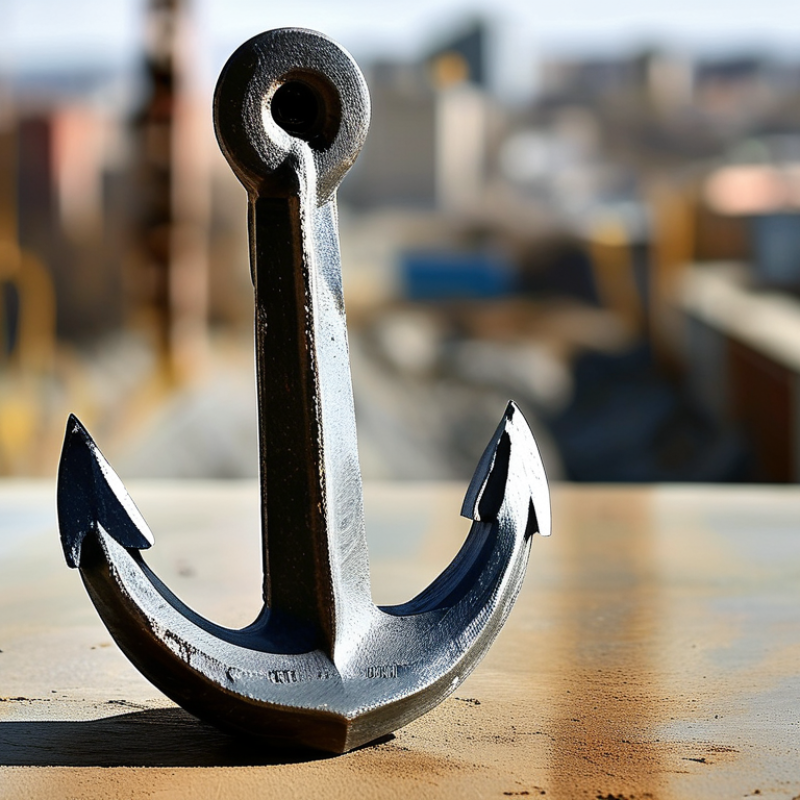
Top Wedge Anchors for Global Buyers How to Choose?

Understanding Wedge Anchors: Definition and Applications

Wedge anchors are essential fasteners commonly used in construction. They provide strong and reliable hold in concrete. A wedge anchor consists of a threaded shaft, a wedge, and a nut. This design allows for a secure grip once installed. The anchor expands inside the concrete when the nut is tightened. This action creates a strong bond that can support heavy loads.

Understanding the applications of wedge anchors is crucial. They are used in various settings, from securing machinery to mounting railings. They are suitable for both indoor and outdoor use. However, improper installation may lead to failures. It's vital to select the correct size and type based on the specific application. Factors such as load requirements and environmental conditions must be considered.

Many users overlook the importance of proper installation techniques. Drill depth and diameter are often not followed correctly. Over time, this can lead to issues, such as anchor pull-out. Users might also underestimate the impact of concrete quality. Each of these factors significantly influences anchor performance. Therefore, thorough assessment and knowledge are key to effective use.

Key Factors to Consider When Selecting Wedge Anchors

When selecting wedge anchors, several key factors demand careful consideration. Material choice is crucial. High-strength steel is often recommended, providing superior load-bearing capabilities. A report from the Fastener Technology Institute indicates that properly rated anchors can handle loads exceeding 2000 pounds in concrete.

The diameter and length of the anchor also matter. A study by the American Concrete Institute highlights that larger diameters enhance resistance to pull-out forces. Proper embedment depth is another critical factor. Typically, a minimum of 5 to 7 times the diameter of the anchor is suggested for optimal strength.

Installation environment plays a role too. For outdoor applications, corrosion-resistant coatings are essential to prevent premature failure. However, the decision-making process can be overwhelming. Inconsistent guidelines across industries can lead to mistakes. Understanding specific project requirements is vital. Each factor should align with overall project goals to ensure safety and reliability.

Different Types of Wedge Anchors and Their Uses

Wedge anchors come in various types, each designed for specific applications. These mechanical anchors provide strong hold in concrete, spanning a range of industries from construction to manufacturing. According to a report by Research and Markets, the global wedge anchor market is growing steadily. Understanding different types is crucial for making informed purchases.

Standard wedge anchors are often used in heavy-duty applications. They are effective for securing machinery and structural components. The installation process requires precise drilling and alignment, which can lead to installation errors. In contrast, female wedge anchors offer an alternative that is easy to install but may not support as heavy a load. Each type has its pros and cons, making careful selection essential.

Finally, specialty wedge anchors cater to unique environments. For instance, high-corrosion-resistant anchors are vital in marine applications. They ensure longevity and safety under challenging conditions. Yet, they are often overlooked, leading to potential issues in performance. Understanding the nuances of each type can help prevent future failures and enhance project success. Investing in the right anchor is more critical than ever.

Best Practices for Installing Wedge Anchors Safely

Installing wedge anchors requires careful attention to safety. Start by assessing the base material. Ensure that it is clean and free from dust or debris. Using a hammer drill, create the appropriate hole size as specified by the anchor’s requirements. This attention to detail enhances the anchor’s performance. Always wear safety goggles and gloves when working with power tools.

Before inserting the wedge anchor, inspect it for any damage. A flawed anchor may fail under load. When you place the anchor into the hole, ensure it is flush with the surface. Tighten it with the correct torque to prevent loosening over time. Over-tightening can lead to stress fractures, which is a common oversight that can compromise integrity. Rechecking the anchor's stability after installation can save time and resources in the long run.

Remember that varying conditions can affect anchor performance. Moisture levels and temperature fluctuations can influence the chosen anchor type. It’s important to consult guidelines or an expert when in doubt. A thoughtful approach can minimize mistakes and ensure a safer environment for users.

Top Wedge Anchor Brands and Products for Buyers

Wedge anchors are essential components in construction. Selecting the right brand can significantly impact project success. According to a recent industry report by Markets and Markets, the global anchor market is projected to grow at a compound annual growth rate (CAGR) of over 5% by 2025. This growth highlights the increasing importance of reliable anchoring solutions in various sectors.

When choosing a wedge anchor, consider the material and load-bearing capabilities. Stainless steel and carbon steel are popular choices. They offer durability in different environmental conditions. Research indicates that anchors with higher tensile strength can support heavier loads, making them suitable for industrial applications.

Users may sometimes overlook the importance of proper installation techniques. Inadequate anchoring can lead to failures. This is why it’s vital to follow manufacturer guidelines meticulously. Installation methods can vary, impacting performance. A detailed reflection on past experiences may reveal gaps in knowledge or application. Investing time in understanding different products can minimize risks and enhance project outcomes.

FAQS

: What are wedge anchors used for?

: Wedge anchors are used to secure items in concrete. They are commonly applied for machinery and railings.

How does a wedge anchor work?

It expands when the nut is tightened, creating a strong bond within the concrete. This allows it to support heavy loads.

What factors affect wedge anchor performance?

Factors include installation techniques, drill depth, concrete quality, and environmental conditions. These significantly influence anchor effectiveness.

What should I check before installing a wedge anchor?

Assess the base material. It should be clean and free from dust or debris to ensure proper installation.

How can I ensure the safety of my installation?

Always wear safety goggles and gloves when using power tools. This prevents potential injuries during the installation process.

What happens if an anchor is over-tightened?

Over-tightening can cause stress fractures. This compromises the anchor's integrity and can lead to potential failures.

Why is installing at the correct depth important?

Incorrect drill depth can lead to anchor pull-out over time. This may jeopardize the security of what you are fastening.

How should I inspect a wedge anchor before use?

Check for any visible damage. A flawed anchor may fail under the loads it needs to support, which is a critical oversight.

What should I do if I'm unsure about the anchor type?

Consult guidelines or seek expert advice. This can help you choose the right anchor based on your specific conditions.

How can I ensure the anchor remains stable over time?

Recheck the stability after installation. This simple step can prevent future issues and save you time and resources.

Conclusion

Wedge anchors are essential fastening devices used in various applications, particularly in construction and heavy-duty installations. Understanding wedge anchors involves recognizing their definition and specific uses, as they provide reliable support when installed correctly. Selecting the right wedge anchors requires careful consideration of key factors such as load capacity, material compatibility, and environmental conditions to ensure optimal performance.

Additionally, there are different types of wedge anchors, each designed for specific applications, highlighting the importance of knowing their uses. Best practices for safe installation include following manufacturer guidelines and ensuring accurate hole preparation. Ultimately, buyers should be aware of the top wedge anchor brands and products available in the market, which can help them make informed decisions for their fastening needs.

Sienna

Sienna

Sienna is a skilled marketing professional with a deep expertise in our company’s core products and services. With a passion for innovation and detail, she plays a pivotal role in crafting insightful blog posts that not only highlight the unique features of our offerings but also provide valuable......