Global sourcing often turns a small fastening choice into a major supply-chain decision. Screw On Metal components can support clean installation, repeatable assembly, and dependable replacement across different markets. They appear in enclosures, lighting, furniture, machinery, and many consumer products. The thread matters. Very much. A mismatched pitch can damage parts, delay production, and create expensive rework.
A reliable evaluation begins with drawings, material grades, surface finishes, and measurable tolerances. Buyers should confirm thread standards, load requirements, corrosion exposure, and expected service life. Stainless steel may suit humid environments, while plated steel can offer a practical balance between strength and cost. That choice is not universal. Supplier capability deserves equal attention. Audited quality systems, traceable batches, inspection reports, and production samples provide useful evidence. Factory visits or independent inspections can reveal details that polished catalogs often miss.
Global procurement also requires realistic attention to tooling, minimum order quantities, packaging, shipping damage, and communication speed. A low unit price can lose its value when thread defects stop an assembly line. Requesting first-article samples and testing them in the final application reduces avoidable surprises. Still, no sourcing plan is perfect. Forecasts change, finishes vary slightly, and suppliers sometimes explain problems too late. Strong partnerships depend on documented expectations and honest corrective action. This guide examines why Screw On Metal components may fit global sourcing programs, while recognizing their limits. The goal is practical confidence, not exaggerated promises.
What Are Screw-On Metal Components?
Why Choose Screw-On Metal Components for Global Sourcing?
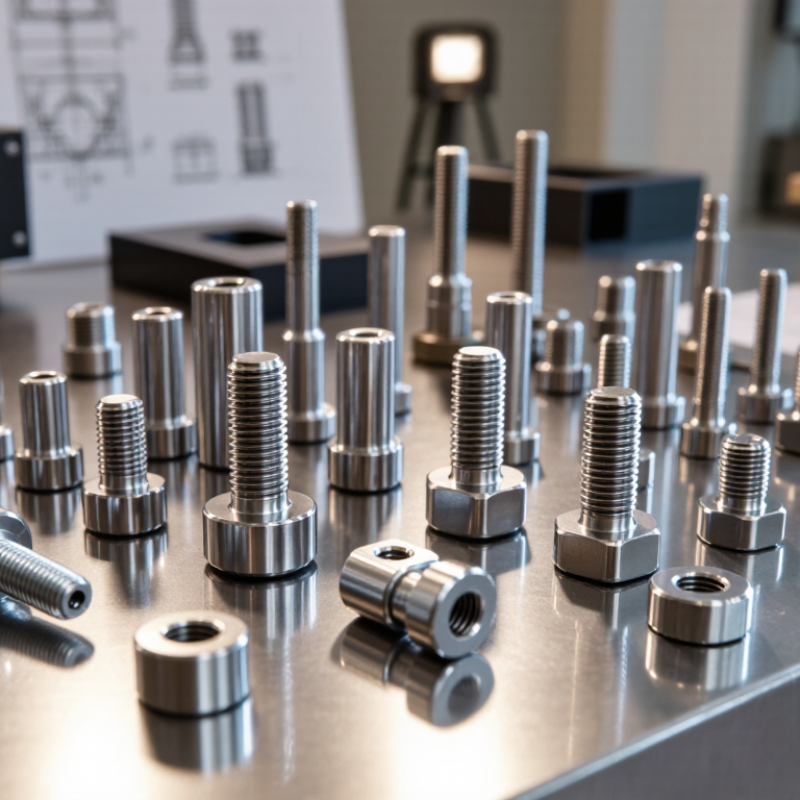
Screw-on metal components are parts joined through matching threads. Common examples include screws, threaded inserts, standoffs, knobs, and adjustable brackets. Unlike permanent welding, they can be installed, removed, and replaced with basic tools. This makes them useful for equipment frames, enclosures, furniture hardware, and maintenance assemblies.
The thread creates mechanical engagement between two surfaces. Proper performance depends on thread size, pitch, material strength, torque, and surface finish. ISO 898-1 defines mechanical requirements for many carbon steel screws and bolts. Buyers should also confirm corrosion resistance, dimensional tolerance, and coating thickness before approving samples. A small mismatch can stop a component from turning. That detail matters.
Global demand supports this sourcing approach. Grand View Research estimated the global fasteners market at about USD 88.43 billion in 2023, with continued growth forecast through 2030. This scale gives international buyers access to wider machining capacity and material options. However, lower unit prices do not guarantee better value. Thread damage, inconsistent plating, or weak inspection records can create expensive delays. A specification can still be wrong. In practical sourcing reviews, samples should be tested under actual torque and load conditions. Vibration may also require locking features, such as nylon patches, prevailing-torque nuts, or thread-locking designs. Screw-on components are flexible, but they are not automatically maintenance-free.
How Screw-On Metal Components Are Designed and Manufactured
Why Choose Screw-On Metal Components for Global Sourcing?
Screw-on metal components begin with the joint, not the machine. Engineers define load, vibration, access, corrosion exposure, and service frequency. A clear thread specification prevents costly interpretation across suppliers. Drawings should state material grade, thread class, tolerances, surface treatment, and inspection points. The first design is rarely perfect. In practice, assembly trials often reveal access problems or excessive tightening force. Engineers can then adjust head geometry, thread engagement, or washer placement before production.
Manufacturing usually combines cutting, cold forming, machining, deburring, cleaning, and controlled finishing. Each stage affects fit and durability. Thread gauges verify pitch and profile. Torque testing checks whether the connection behaves as designed. Dimensional reports support reliable approval between global teams. According to Grand View Research’s 2024 industrial fasteners analysis, the global market is projected to grow steadily through 2030. That growth reflects continuing demand for standardized, serviceable metal connections.
Material selection deserves equal attention. Stainless steel can support corrosion resistance, while alloy steel may provide greater strength in demanding loads. Coatings must match temperature, moisture, and contact conditions. The wrong finish can increase friction or weaken assembly control. ISO 898-1 provides mechanical property requirements for carbon and alloy steel fasteners. However, standards do not replace real testing. Small production runs, environmental exposure, and operator habits can change results. Supplier audits, batch traceability, and sample validation make global sourcing more dependable, although no process is completely free from uncertainty.
Why Choose Screw-On Metal Components for Global Sourcing?
ISO metric coarse threads provide standardized pitch dimensions, helping manufacturers specify, produce, inspect, and source screw-on metal components across international supply chains.
Data shown: ISO metric coarse thread pitch values for selected nominal diameters, based on ISO 261 standard thread designations.
Which Materials and Finishes Suit Global Sourcing Needs?
Screw-on metal components depend heavily on material selection. Stainless steel suits humid environments, food equipment, and outdoor assemblies. Carbon steel can reduce cost, but it needs reliable corrosion protection. Aluminum offers low weight and useful machinability. Brass remains practical where appearance and moderate corrosion resistance matter. Every choice should match load, temperature, moisture, and installation method.
Finish selection also affects global sourcing performance. Zinc plating can protect carbon steel during storage and normal indoor use. Nickel plating provides a harder, brighter surface for visible hardware. Black oxide creates a dark appearance, but it usually needs additional oil or sealing. Powder coating adds color and impact resistance on larger parts. Electropolishing can improve stainless steel cleanliness and surface smoothness. It costs more. Sometimes unnecessarily.
In real procurement work, coating thickness, salt-spray results, thread fit, and surface scratches deserve written specifications. A finish that looks excellent in a sample may perform differently after shipping, handling, and repeated assembly. I have seen suppliers meet a color requirement while missing thread tolerances. That mistake delayed installation. Request material certificates, inspection records, and finish samples from each approved production source. Define acceptable marks, coating coverage, packaging, and replacement procedures before ordering. Regional humidity and transport conditions also matter. A single finish rarely suits every destination.
How Screw-On Components Support International Supply Chains
Why Choose Screw On Metal Components for Global Sourcing?
How Screw-On Components Support International Supply Chains
Global supply chains often involve multiple factories, ports, and inspection teams. Screw-on metal components help connect these stages with fewer surprises. Their removable design supports assembly, maintenance, and controlled replacement. A technician can loosen a fastener, inspect a joint, and restore production without discarding an entire unit. That practical flexibility matters when spare parts travel across borders.
Reliable sourcing starts with clear technical information. Suppliers need material grade, thread size, surface treatment, torque range, and packaging requirements. A detailed drawing reduces interpretation gaps between engineering and production teams. Sample checks should confirm thread fit, coating thickness, hardness, and resistance to humidity. In a realistic warehouse scenario, sealed bags and labeled cartons prevent mixed sizes during receiving. Small details protect schedules.
The system is not flawless. Thread damage can occur when workers use the wrong tool or excessive force. Salt air, vibration, and repeated disassembly can expose weak choices. Buyers should request traceable inspection records and test samples before approving larger orders. They should also review customs descriptions and storage conditions. We sometimes underestimate those details. That mistake can create delays. A measured sourcing plan, backed by communication and repeatable checks, gives international teams a clearer path from factory floor to final assembly.
What Quality, Cost, and Compliance Factors Should Buyers Evaluate?
Screw-on metal components suit global sourcing when buyers can verify quality, landed cost, and compliance before production. Their threads, torque, and mating surfaces must remain consistent across batches. A practical inspection plan should include thread gauges, torque testing, coating thickness checks, and material certificates. ISO’s 2023 Survey reports more than one million ISO 9001 certificates worldwide, but certification alone does not prove stable component quality.
Cost evaluation should extend beyond the quoted unit price. Include tooling, minimum order quantities, packaging, freight, inspection, duties, rework, and rejected parts. The 2023 World Bank Logistics Performance Index compares 139 economies, highlighting differences in customs, infrastructure, shipment reliability, and delivery timing. These differences can change the real cost of a small metal fitting. A cheaper part may become expensive after delays or repeated inspections.
Compliance needs documented material origin, restricted-substance declarations, traceability, and controlled drawing revisions. Requirements may involve chemical restrictions, product safety rules, and customer-specific standards. Ask suppliers how they control plating chemicals, thread dimensions, and batch records. Do not accept generic certificates without matching them to the purchased material and specification. In my sourcing experience, a clean first-article report can create false confidence. Production drift still happens. Sampling plans should reflect failure risk, not convenience. The weak point may be a supplier’s subcontracted coating process. That deserves direct review.
FAQS
Stainless steel usually performs well in humid areas and outdoor assemblies. It also suits food equipment. Confirm the required grade and load conditions.
Carbon steel can lower material costs. It needs dependable corrosion protection, such as plating or sealing. Without protection, moisture can cause problems quickly.
Aluminum offers low weight and useful machinability. It can simplify handling during installation. Check its strength at the expected temperature and load.
Consider moisture, handling, appearance, storage, and repeated assembly. Zinc plating suits many indoor uses. Powder coating adds color and impact resistance to larger parts.
No. A sample may look excellent but fail after shipping or repeated handling. Scratches and coating gaps can appear later. Appearance is only one check.
Include material grade, thread size, coating thickness, torque range, and packaging requirements. Also define acceptable marks and coating coverage. Clear drawings reduce production mistakes.
Use sealed bags and clearly labeled cartons. Separate each thread size physically. A small label can prevent a large installation delay.
Review material certificates, inspection records, finish samples, and thread-fit results. Request humidity or salt-spray data when relevant. I would not rely on photographs alone.
Their removable design allows technicians to inspect joints and replace parts. They can restore equipment without discarding a complete unit. That flexibility is useful across distant facilities.
Threads may suffer damage from incorrect tools or excessive force. Vibration and salt air can expose weak material choices. Torque guidance helps, but it is not perfect.
Conclusion
Screw On Metal components are practical fastening and assembly parts designed to connect, secure, or support products through threaded installation. Their design and manufacturing typically involve careful planning of dimensions, thread accuracy, load requirements, and application conditions. Depending on performance needs, buyers may select materials such as steel, stainless steel, aluminum, or brass, together with finishes that improve corrosion resistance, appearance, durability, or compatibility with surrounding parts.
For global sourcing, Screw On Metal components can simplify assembly, packaging, maintenance, and replacement across different markets. Their standardized designs may also support consistent production and more flexible international supply chains. Buyers should evaluate dimensional consistency, material traceability, surface quality, production capacity, lead times, and inspection procedures. Cost should be assessed alongside tooling, shipping, minimum order quantities, and long-term reliability rather than unit price alone. It is also important to confirm that products meet applicable technical, environmental, labeling, and import requirements in the intended destination markets.