1 / 1

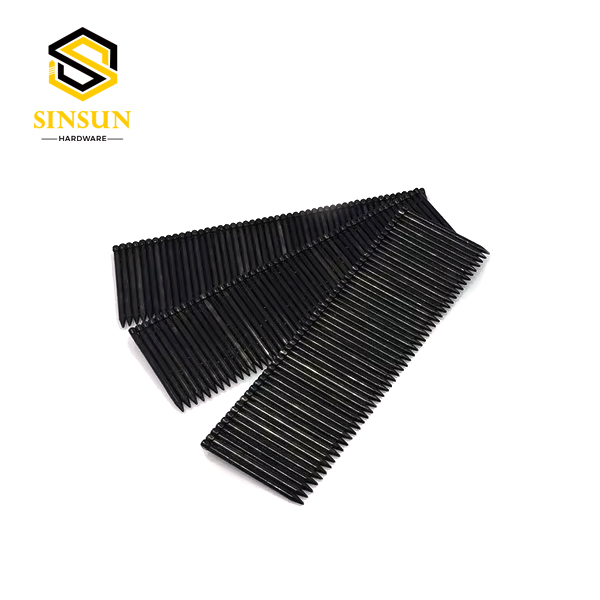
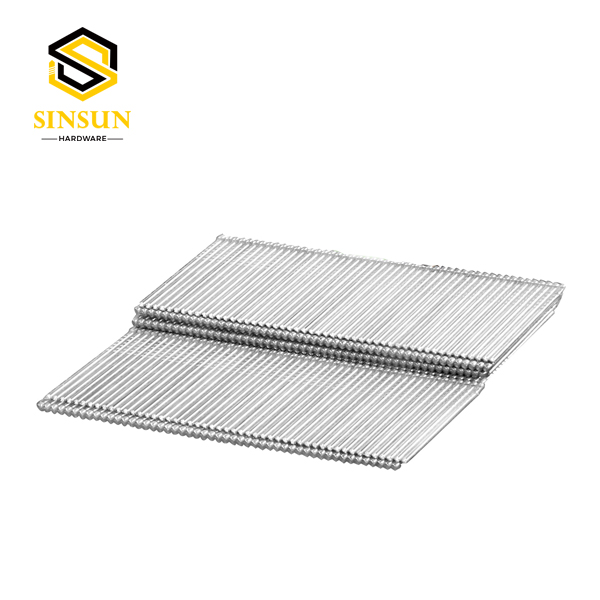
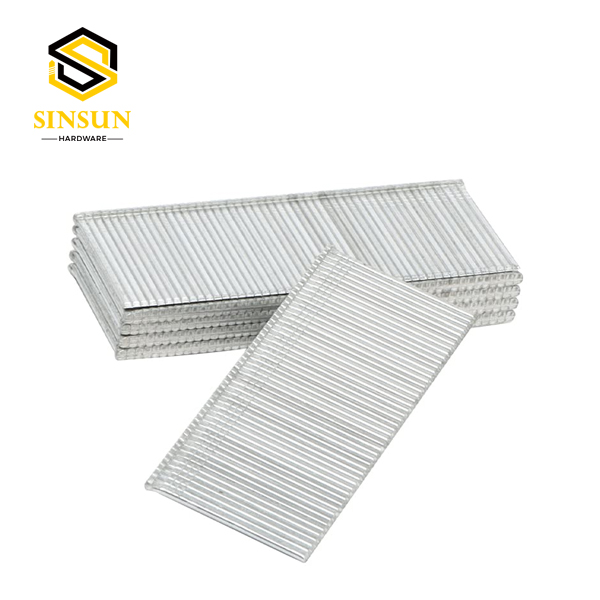
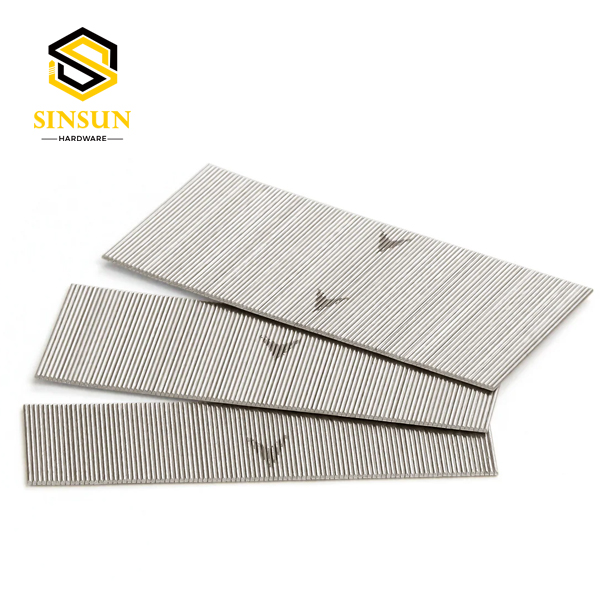
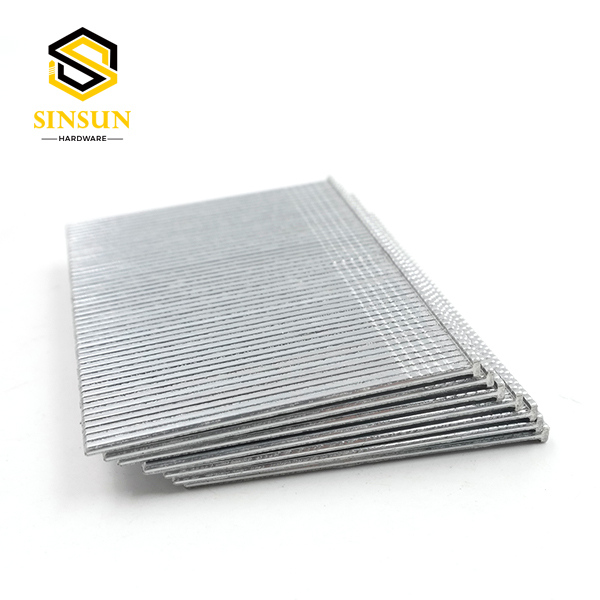
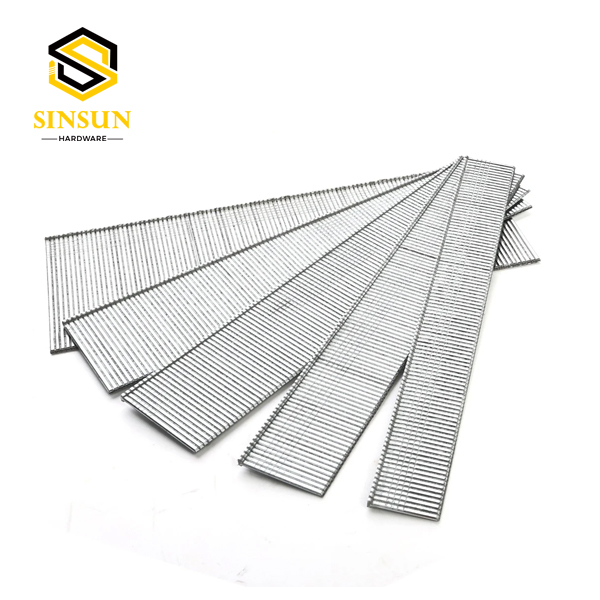
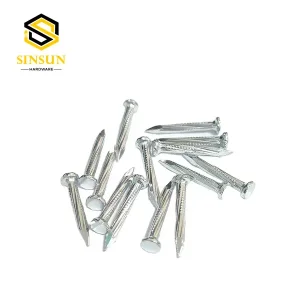
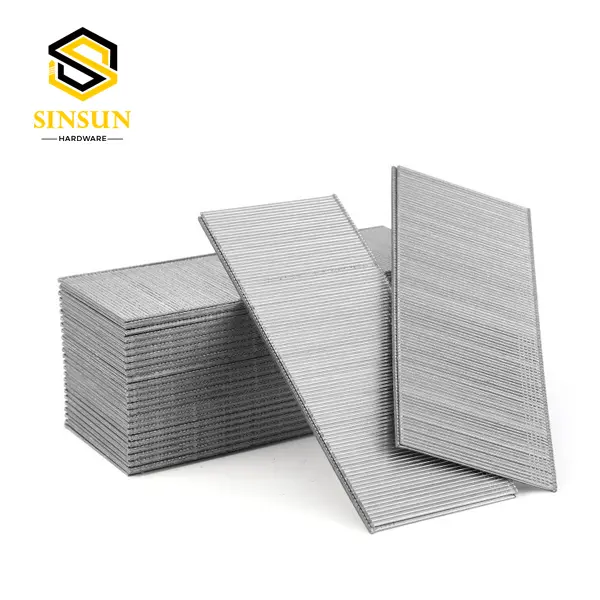
The gauge number indicates the thickness of the wire. 15 gauge nails are the thickest and provide the strongest holding power for heavy trim. 16 gauge brad nails are slightly thinner and versatile for standard trim. 23 gauge pin nails are extremely thin, headless, and ideal for delicate, split-prone moldings where minimal visual trace is needed.
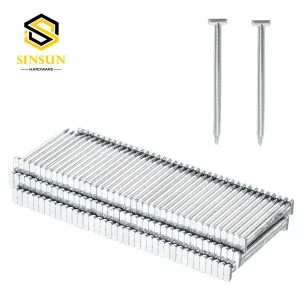
F nails, commonly known as straight brad nails, are designed for trim carpentry, cabinet assembly, baseboards, and furniture manufacturing. Their small heads allow them to be countersunk easily, leaving tiny holes that require minimal filling.
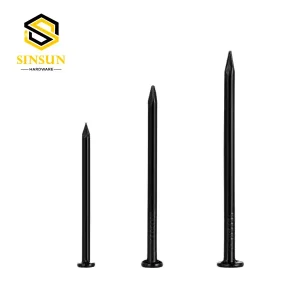
Premium black brad nails are typically finished with a protective coating that resists corrosion. However, for outdoor or high-moisture applications, stainless steel or galvanized fasteners are recommended for maximum rust prevention.
No, 23 gauge pin nails have very limited holding strength because they lack a head and are very thin. They are designed for temporary holding while wood glue cures, or for holding very light trim, small beads, and delicate ornaments in place.
Yes, you must match the nail gauge and length with a compatible pneumatic or cordless nailer. For example, 18 gauge brad nails require an 18-gauge brad nailer, while 23 gauge pins must be used with a dedicated pin nailer.