1 / 1

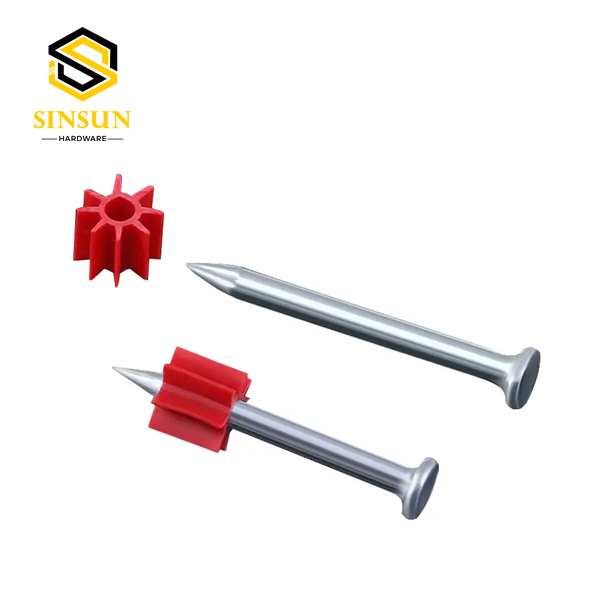
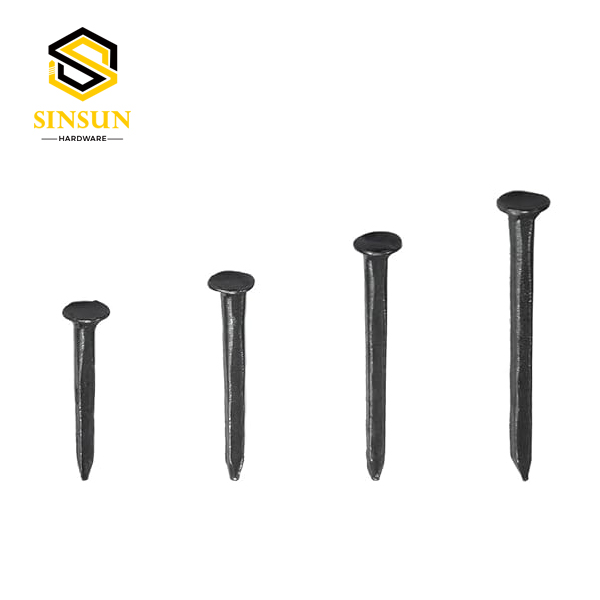
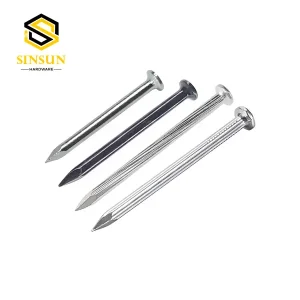
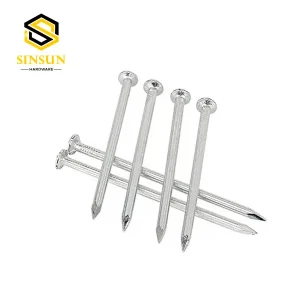
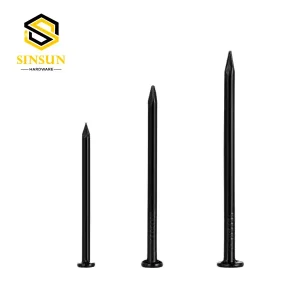
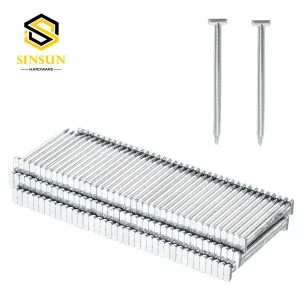
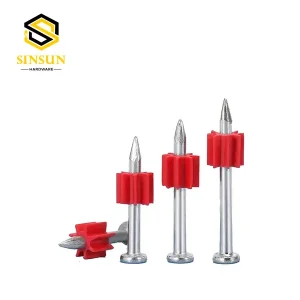
Shooting nails are engineered for high-power fastening applications, commonly used with gas or pneumatic nail guns to attach fixtures to tough substrates like concrete or structural steel quickly and securely.
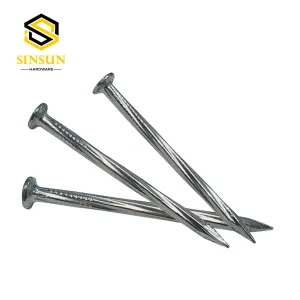
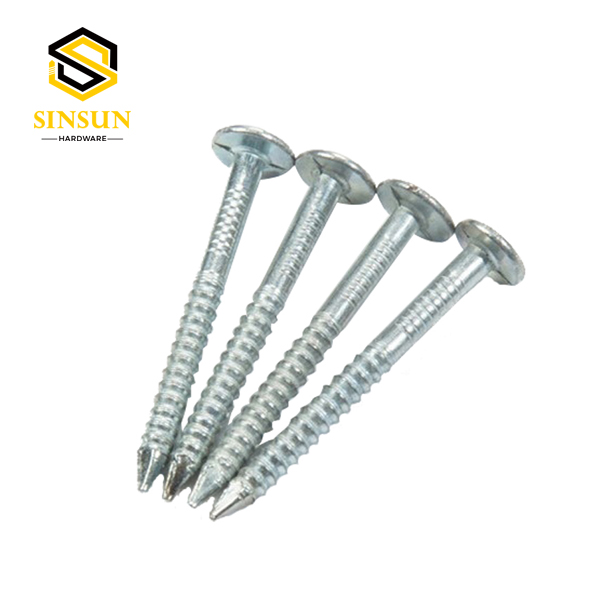
Ring shank nails feature annular ridges along the shank which thread into the wood fibers. This design provides significantly higher holding power and prevents the nails from backing out over time, making them ideal for subfloors and decking.
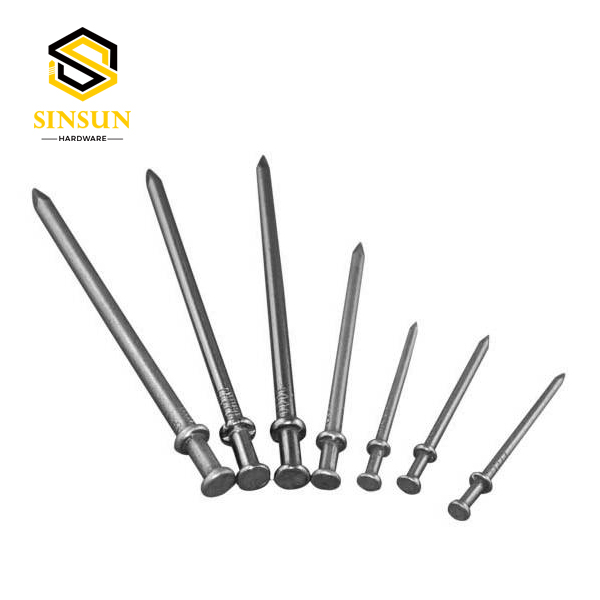
Duplex nails, also known as double-headed nails, are designed for temporary structures like wooden scaffolding and concrete formwork. The double head allows them to be driven securely while leaving the secondary head exposed for easy removal.
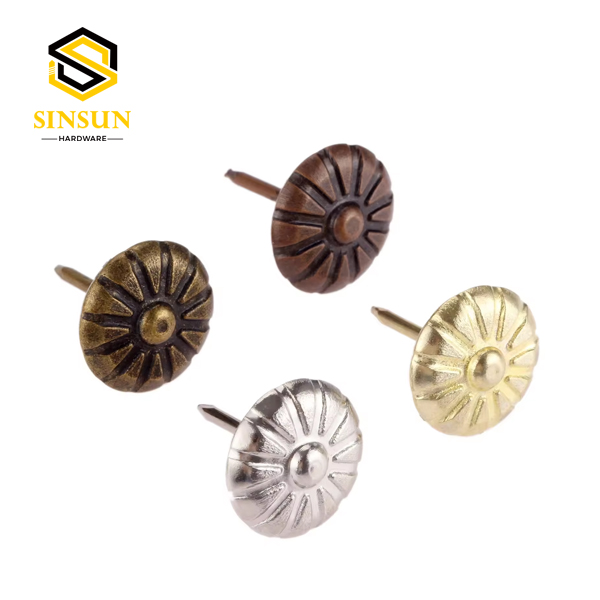
No, upholstery nails are decorative fasteners designed primarily for securing fabric to furniture frames and adding aesthetic accents. They do not possess the structural load-bearing capacity required for construction framing.
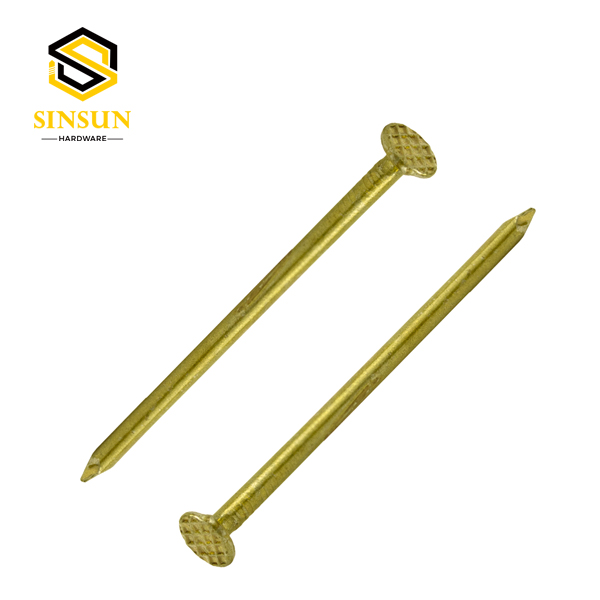
Sinker nails feature a slightly thinner shank to prevent wood splitting, a grid-textured head to keep the hammer from slipping, and a vinyl or epoxy coating that eases installation and enhances holding strength.
Tack nails are short, lightweight fasteners with large flat heads. They are typically used for fastening lightweight materials such as carpets, fabrics, paper, and thin sheets of wood to solid backings.