1 / 1

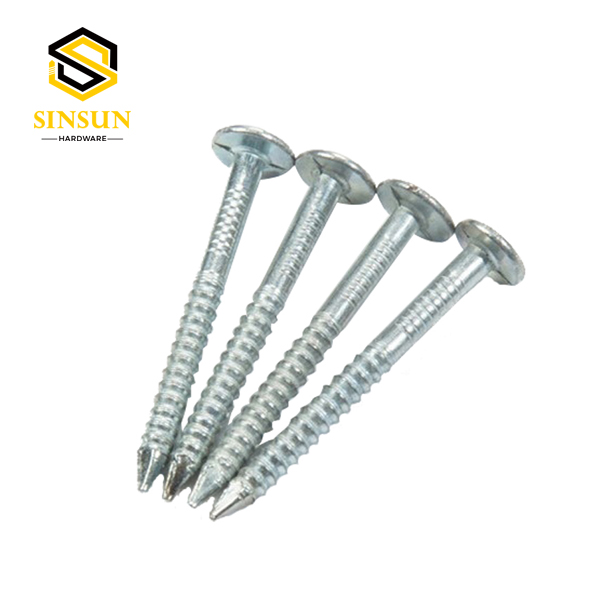
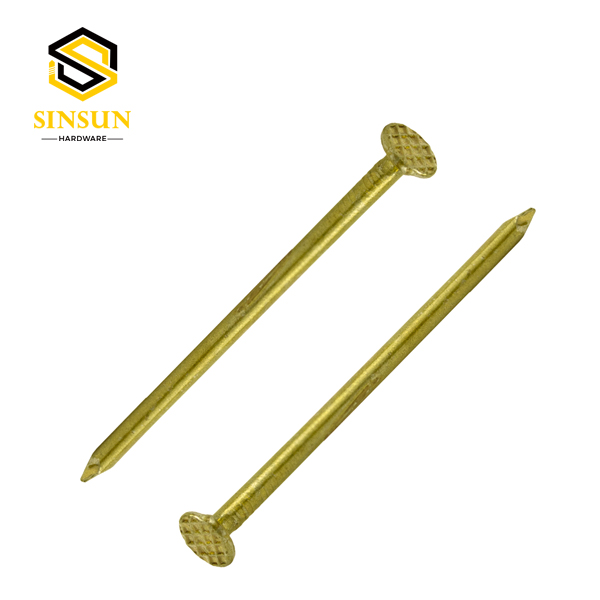
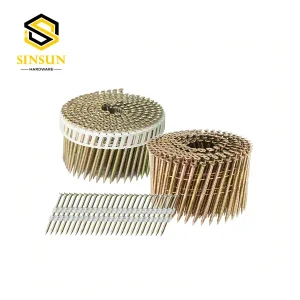
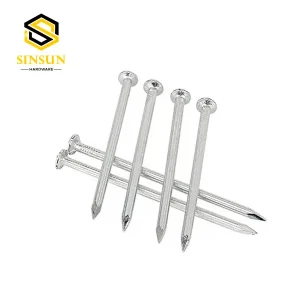
Ring shank nails feature rings on the shank that offer extra holding power. They are commonly used in applications where wood shrinkage or vibration could loosen standard nails, such as subflooring, decking, siding, and pallet assembly.
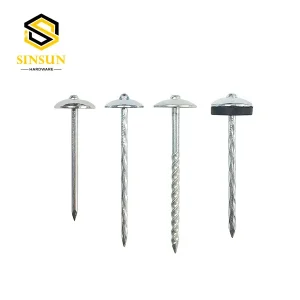
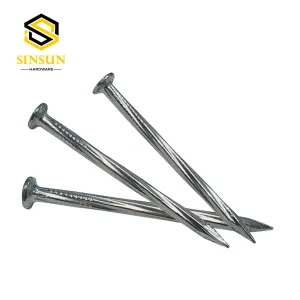
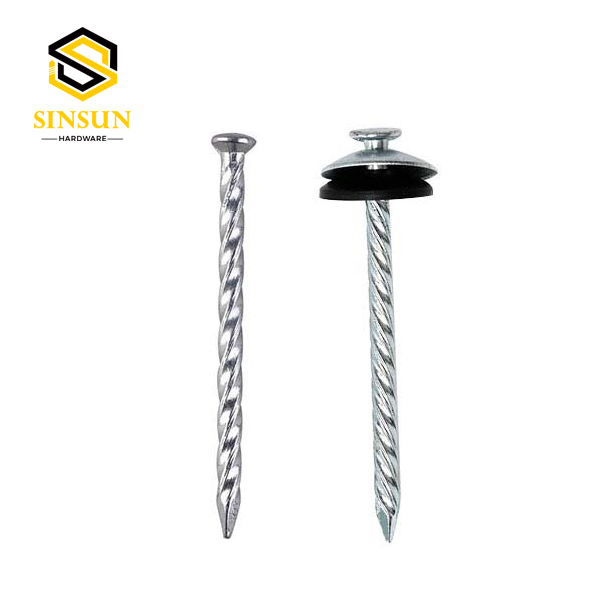
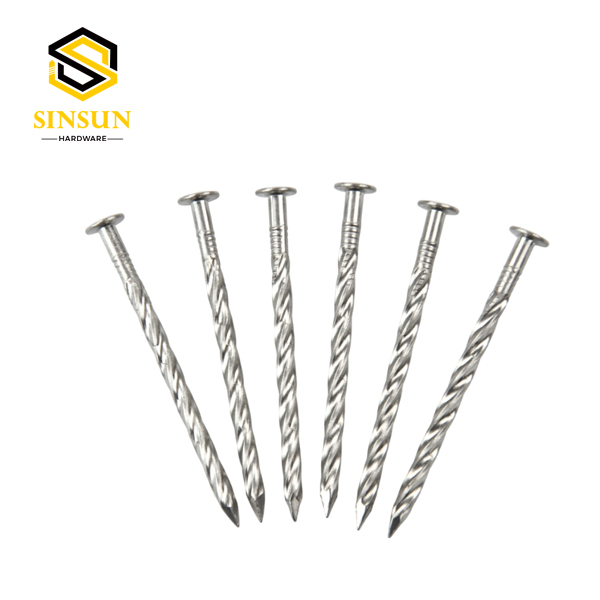
Twisted nails, often called spiral or screw-shank nails, rotate as they are driven into wood. This creates a tight mechanical lock that offers superior withdrawal resistance, making them ideal for heavy timber framing and structures prone to movement.
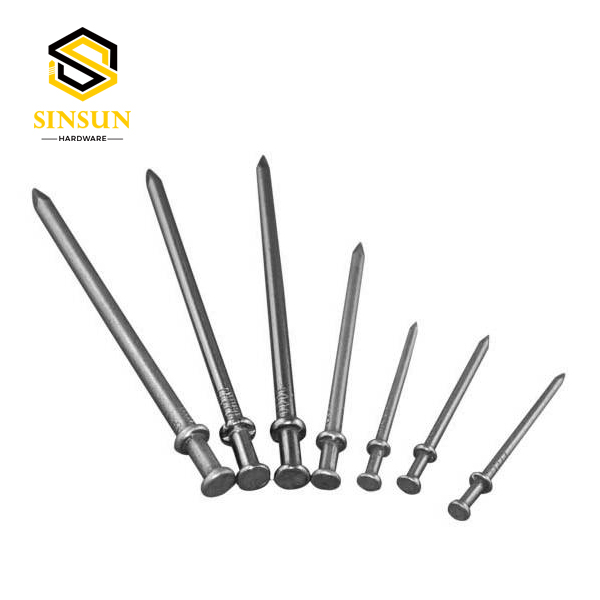
Duplex nails, also known as double-headed nails, are designed for temporary construction. The second head remains exposed, allowing for easy removal with a claw hammer without damaging the structure. They are widely used for concrete formwork and scaffolding.
Screw nails combine the speed of driving a nail with the strength of a screw. They thread into the wood fiber during installation, offering maximum holding power and reducing wood splitting, suitable for flooring, pallets, and roof trusses.
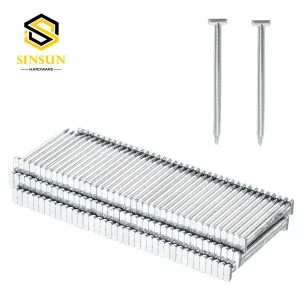
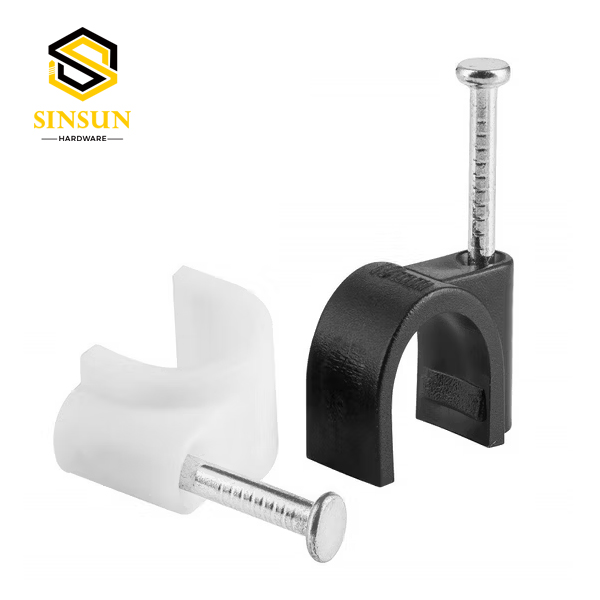
Cable clip nails come pre-assembled with plastic clips. They are designed to secure electrical wires, ethernet cables, or coax cables directly to walls, baseboards, or wood framing, ensuring a neat installation without pinching the cable.
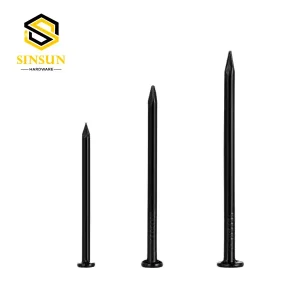
Sinker nails are designed for framing and general construction. They feature a vinyl or epoxy coating that melts slightly from friction during installation, acting as a lubricant for easier driving, and then cools to act as an adhesive for extra holding power.