1 / 1

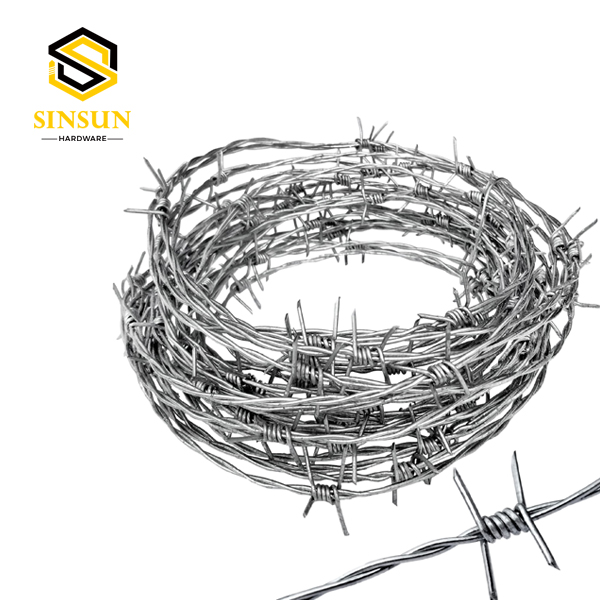
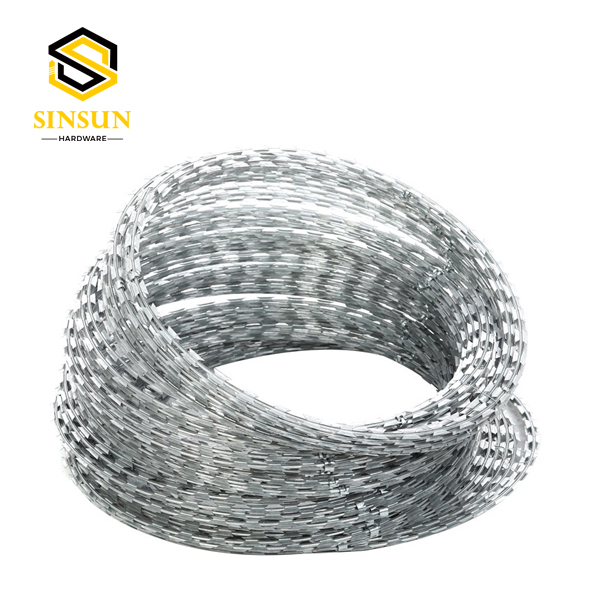
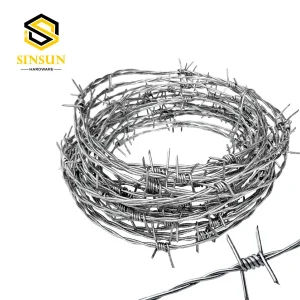
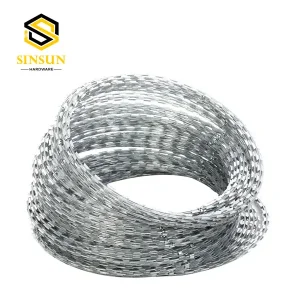
Standard barbed wire uses sharp wire points twisted along the strands to deter intruders, whereas razor barbed wire features sharp, stamped steel blades designed to catch, slice, and prevent any attempt to climb over or cut through the barrier.
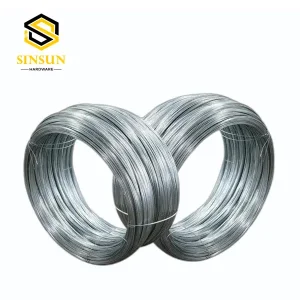
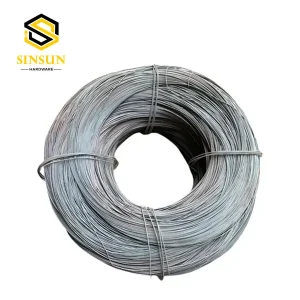
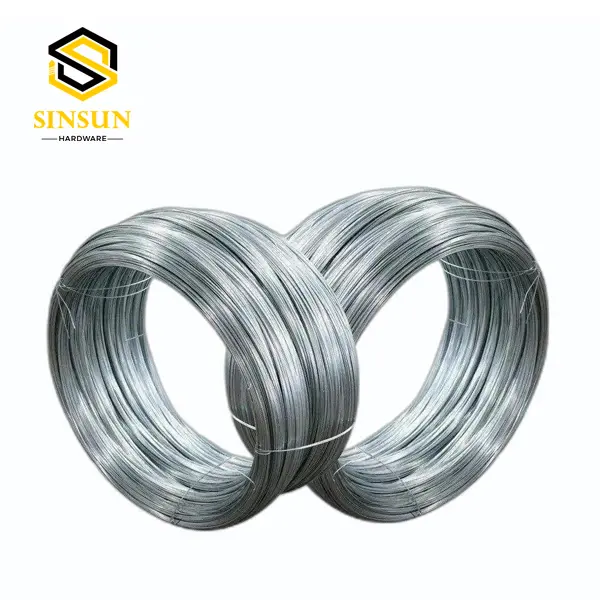
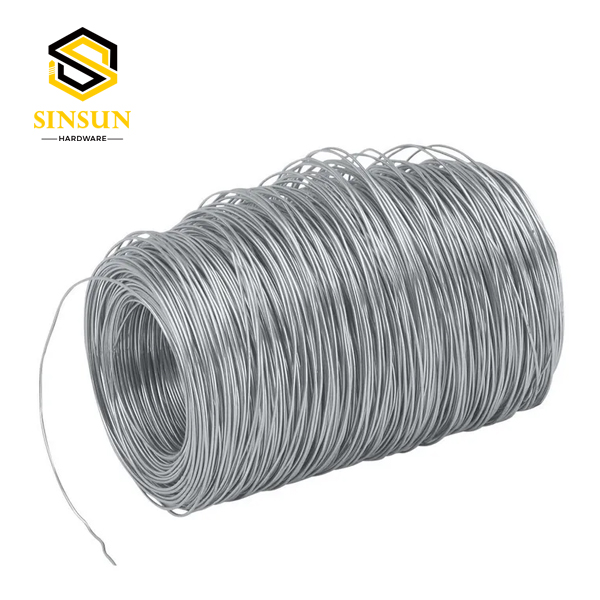
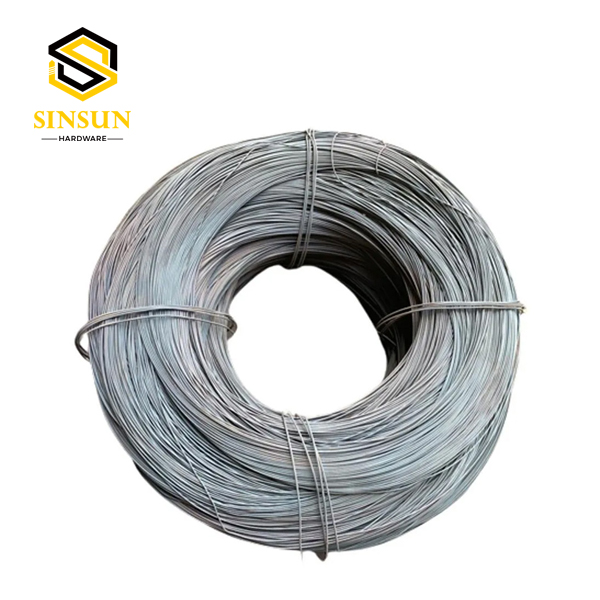
Annealing makes the wire softer and highly flexible, which is ideal for securing rebar and tying tasks. The galvanization process adds a protective zinc coating that prevents rust and corrosion, extending the wire's lifespan in harsh outdoor environments.
Metal wire is highly versatile and widely used in construction for concrete reinforcement, in agriculture for fencing, in packaging for bundling materials, and in manufacturing for wire mesh, springs, and cables.
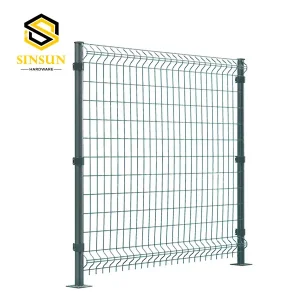
Yes, razor barbed wire is commonly installed on top of existing chain link fences, brick walls, or welded mesh panels using specialized brackets to enhance the overall security level of a facility.
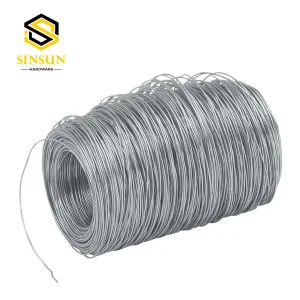
The choice of wire gauge depends on the required strength and flexibility. Lower gauge numbers indicate thicker, stronger wire for heavy-duty support, while higher gauge numbers represent thinner, more flexible wire suitable for intricate binding and tying.