🔩 What Is a Construction Lag Screw?
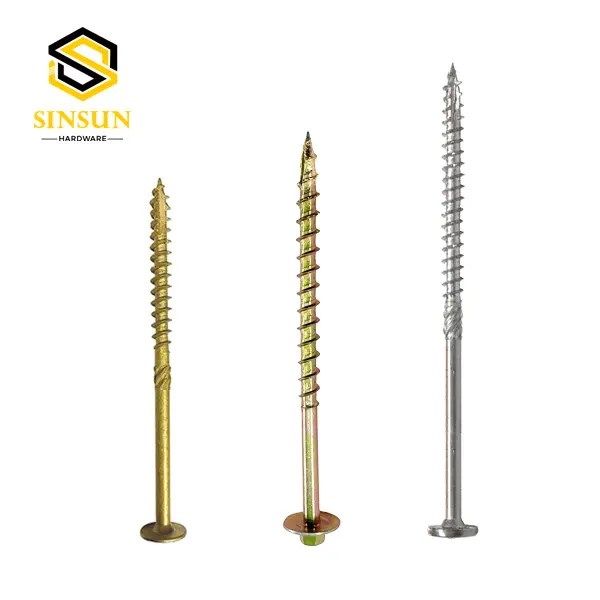
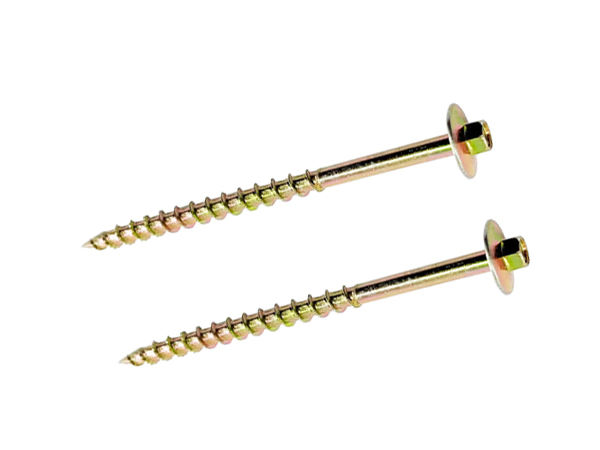
A construction lag screw (also known as a lag bolt) is a heavy-duty fastener designed for high-load structural applications. Unlike standard wood screws, lag screws feature a coarse thread, a hex or square head, and are driven with a wrench or socket rather than a screwdriver.
Key Feature: Lag screws provide exceptional holding power in wood-to-wood and wood-to-metal connections, making them a top choice for framing, decking, and structural assemblies.
📐 Specifications
Reference
| Parameter |
Details |
| Head Type |
Hex Head |
| Drive Type |
Wrench / Socket Drive |
| Thread Type |
Coarse Thread (Partial Thread) |
| Material |
Carbon Steel / Stainless Steel |
| Finish |
Zinc Plated / Hot-Dip Galvanized / Plain |
| Diameter Range |
1/4" – 3/4" (M6 – M20) |
| Length Range |
1" – 12" (25mm – 300mm) |
| Standard |
ASME B18.2.1 / DIN 571 |
🛠️ Installation Tips
Pro Tip: Always pre-drill a pilot hole slightly smaller than the lag screw shank diameter to prevent wood splitting and ensure easier installation.
- Use a pilot hole to reduce splitting risk
- Apply a washer under the head to distribute load
- Do not over-torque — stop when the head is flush or snug
- Choose galvanized or stainless for outdoor/corrosive environments
- Follow local building codes for structural connections
❓ Frequently Asked Questions
Q
What is the difference between a lag screw and a lag bolt?
"Lag screw" and "lag bolt" refer to the same fastener. The term "lag screw" is more technically accurate since it is threaded and driven into material without a nut, while "lag bolt" is a common informal name used in the construction industry.
Q
Do I need to pre-drill before installing a lag screw?
Yes, pre-drilling a pilot hole is strongly recommended. It prevents the wood from splitting, reduces installation torque, and ensures a more accurate and secure fastening. The pilot hole should be slightly smaller than the screw's shank diameter.
Q
What finish should I choose for outdoor construction lag screws?
For outdoor applications, hot-dip galvanized or stainless steel lag screws are recommended. These finishes provide excellent resistance to moisture, corrosion, and harsh weather conditions, ensuring long-term structural integrity.
Q
How do I determine the correct lag screw size for my project?
The correct size depends on the load requirements and the thickness of the materials being joined. As a general rule, the lag screw should penetrate the main structural member by at least 2/3 of its total length. Consult local building codes or a structural engineer for critical load-bearing connections.
Q
Can lag screws be used in concrete or masonry?
Standard lag screws are designed for wood and engineered lumber. For concrete or masonry applications, you should use concrete anchors, sleeve anchors, or masonry screws specifically designed for those substrates.
Q
What standards do construction lag screws comply with?
Construction lag screws are commonly manufactured to ASME B18.2.1 (inch) or DIN 571 (metric) standards. These standards define dimensions, material grades, mechanical properties, and tolerances to ensure consistent quality and performance in structural applications.