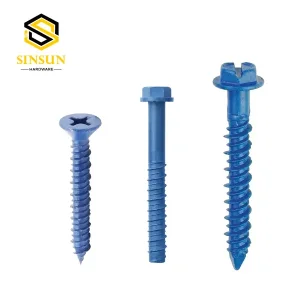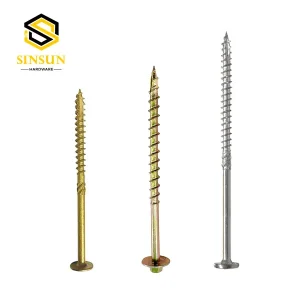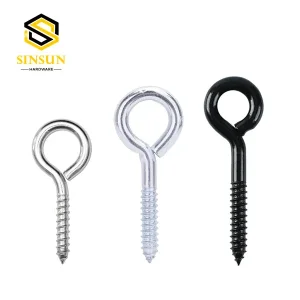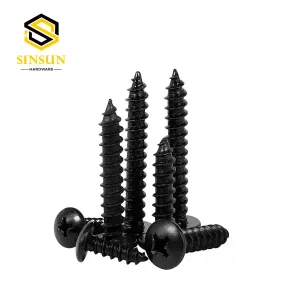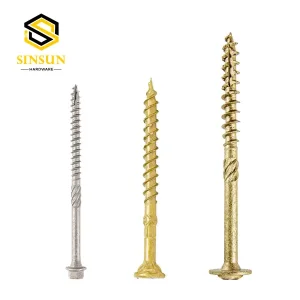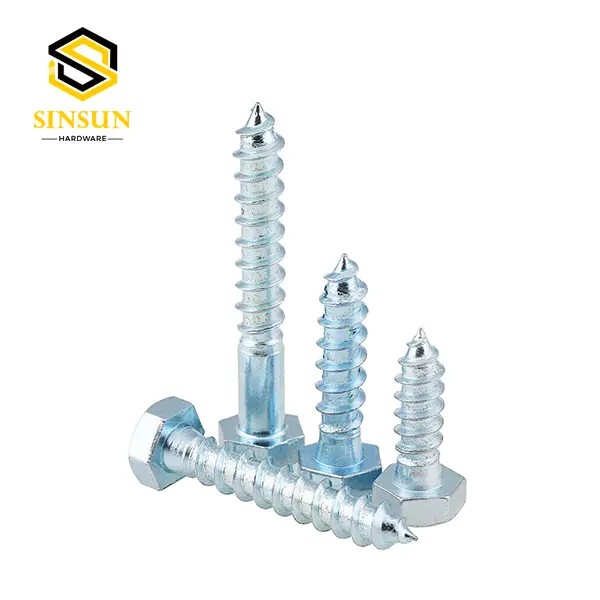

China High-Strength Lag Screws from China Suppliers - 3,200 lbs Shear Strength, No Rust, No Breakage - Factory Direct Quality Manufacturer, Factory

,

Introducing our high-performance product, tested for shear strength up to 3,200 lbs, ensuring unparalleled durability and reliability. Manufactured in China, our factory employs advanced technology to guarantee that there is no bending, breaking, or rusting, making our product the ideal choice for those who demand longevity.

,

Unlike other suppliers, our unique thread design provides an exceptional grip, ensuring that our products perform where others may fail. Trust in our commitment to quality and innovation as we redefine strength and resilience in the market.

,

Product Description

Lag screws — also known as lag bolts — are heavy-duty fasteners designed for wood-to-wood and wood-to-metal connections that demand high load-bearing strength. Unlike standard wood screws, lag screws feature a coarse thread, a hex or square head, and are driven with a wrench or socket rather than a screwdriver. They are widely used in construction, decking, framing, and outdoor structural applications.
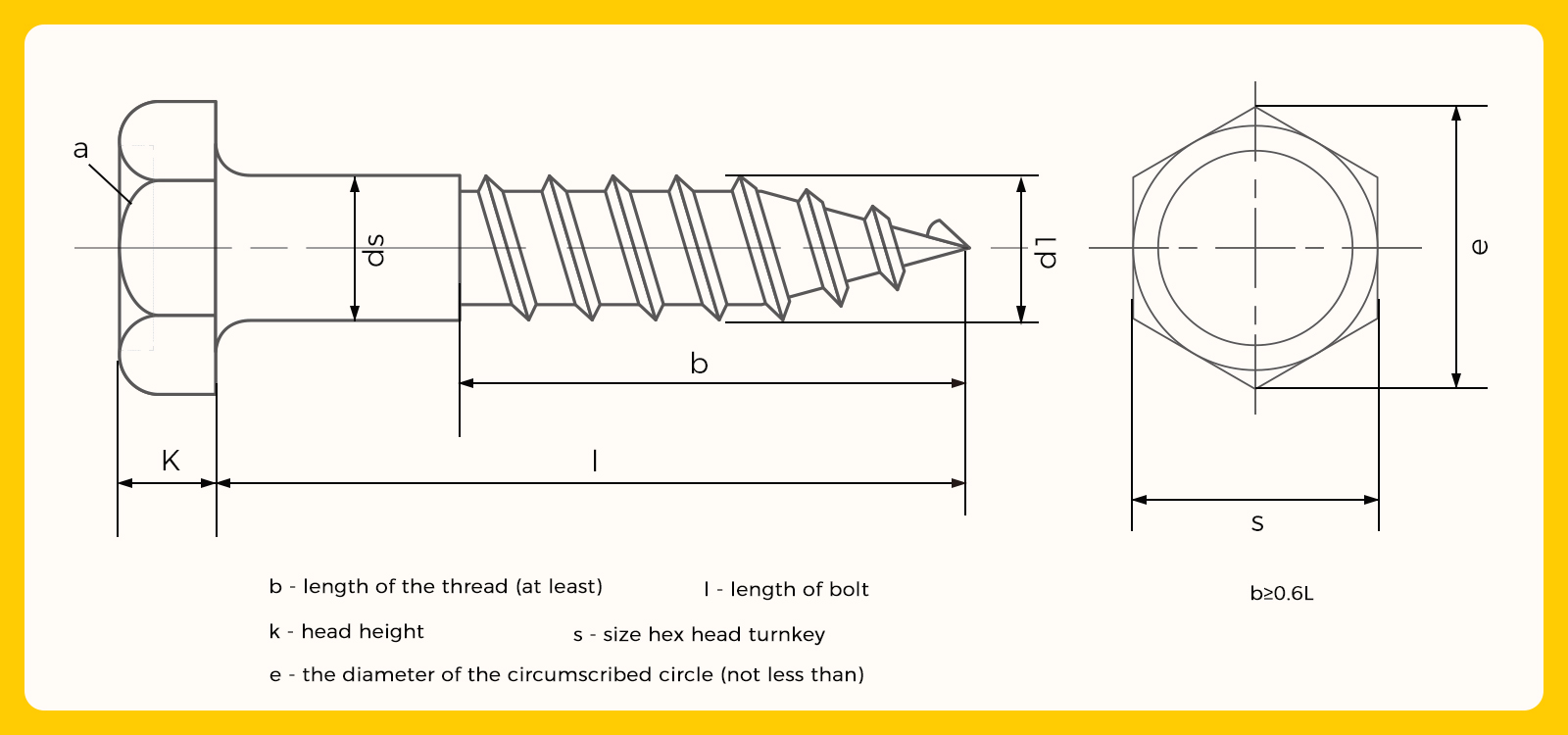
📐 Lag Screw Technical Drawing
Lag Screws drawing
Lag Screw — Technical Drawing & Dimensions Reference

🔩 What Are Lag Screws?

Lag screws are large, externally threaded fasteners with a pointed tip and a hex or square drive head. They are engineered to create strong, lasting joints in heavy timber and structural wood assemblies. The coarse threads grip wood fibers tightly, providing exceptional pullout resistance and shear strength.

⚠️ Key Difference: Lag screws do not require a nut — they thread directly into the base material. A pre-drilled pilot hole is typically required to prevent wood splitting and ensure proper installation.

✅ Key Features & Advantages
  • 💪 High Load Capacity: Designed to handle heavy structural loads in wood framing, decking, and landscaping applications.
  • 🔧 Hex Head Drive: Installed using a wrench or socket driver for maximum torque and secure fastening.
  • 🌲 Deep Thread Penetration: Coarse threads bite deep into wood fibers for superior grip and pullout resistance.
  • 🛡️ Corrosion Resistance: Available in hot-dip galvanized, stainless steel, and zinc-plated finishes for outdoor and treated lumber use.
  • 📏 Wide Size Range: Available in diameters from 1/4" to 1" and lengths from 1" to 6"+ to suit various structural needs.

📊 Common Lag Screw Specifications
Diameter Thread Type Head Style Drive Type Common Lengths Material
1/4" (6mm) Coarse Thread Hex Head Wrench / Socket 1" – 4" Carbon Steel / SS
5/16" (8mm) Coarse Thread Hex Head Wrench / Socket 1.5" – 5" Carbon Steel / SS
3/8" (10mm) Coarse Thread Hex Head Wrench / Socket 2" – 6" Galvanized / SS
1/2" (12mm) Coarse Thread Hex Head Wrench / Socket 2.5" – 6" Galvanized / SS
5/8" (16mm) Coarse Thread Hex Head Wrench / Socket 3" – 8" Hot-Dip Galvanized
🏗️ Typical Applications
  • 🏠 Structural Framing: Connecting beams, joists, posts, and ledger boards in residential and commercial construction.
  • 🌳 Decking & Fencing: Securing deck frames, fence posts, and pergola structures to wooden supports.
  • 🛠️ Timber & Log Construction: Fastening heavy timber elements in log cabins, barns, and agricultural buildings.
  • Retaining Walls: Anchoring landscape timbers and retaining wall components to prevent shifting.
  • 🔩 Machinery & Equipment: Mounting heavy equipment, brackets, and machinery to wooden bases or platforms.

🛠️ Installation Tips

🔹 Always pre-drill a pilot hole sized at approximately 70% of the lag screw's shank diameter to prevent wood splitting.

🔹 For treated lumber or outdoor applications, use hot-dip galvanized or stainless steel lag screws to resist corrosion from chemicals in pressure-treated wood.

🔹 Do not over-torque — driving the head flush or slightly below the surface is sufficient. Over-tightening can strip threads or crush wood fibers.

🔹 Use a washer under the head when connecting softer woods to distribute load and prevent the head from pulling through the material.
🏅 Materials & Surface Finishes
  • ⚙️ Carbon Steel (Zinc Plated): Standard indoor use; economical and widely available. Most Common
  • 🌧️ Hot-Dip Galvanized: Thick zinc coating for superior outdoor and treated lumber corrosion resistance.
  • Stainless Steel (304 / 316): Ideal for marine, coastal, and high-humidity environments requiring maximum corrosion resistance.
  • 🔵 Mechanically Galvanized: Moderate corrosion protection; suitable for general outdoor applications.

Frequently Asked Questions (FAQ)
Q What is the difference between a lag screw and a lag bolt?
The terms "lag screw" and "lag bolt" refer to the same fastener. Both describe a large, hex-headed wood screw with coarse threads designed for heavy structural connections. The term "lag bolt" is more commonly used in North America, while "lag screw" is the technically correct designation per fastener standards.
Q Do lag screws require a pilot hole?
Yes, a pilot hole is strongly recommended — and often required — before installing lag screws. Without a pilot hole, the wood may split, especially near edges or in hardwood species. The pilot hole should be approximately 70% of the screw's shank diameter and drilled to the full depth of the lag screw's threaded portion.
Q What size lag screw should I use for deck framing?
For standard deck ledger board connections, 1/2" diameter lag screws are most commonly specified by building codes. The length should be sufficient to penetrate at least 2.5" into the rim joist or band board of the house. Always consult local building codes and structural load tables for specific requirements.
Q Can lag screws be used with pressure-treated lumber?
Yes, but you must use corrosion-resistant fasteners. Pressure-treated lumber contains chemicals (such as ACQ or CA) that can cause rapid corrosion of standard zinc-plated steel. For pressure-treated wood, use hot-dip galvanized (HDG) or stainless steel lag screws to ensure long-term durability and structural integrity.
Q How do I determine the correct lag screw length?
The lag screw should penetrate the receiving member (the piece being fastened into) by at least 2/3 of the total screw length. For example, if fastening a 1.5" thick board to a beam, a lag screw of 4" to 5" length ensures adequate thread engagement into the main structural member for reliable load transfer.
Q What is the shear strength of a lag screw?
Shear strength varies by diameter, material, and wood species. A standard 1/2" carbon steel lag screw typically has a lateral (shear) design value of approximately 300–500 lbs per fastener in Douglas Fir or Southern Yellow Pine, depending on loading direction and embedment depth. Always refer to the manufacturer's load tables or NDS (National Design Specification) values for structural calculations.

Related Products