1 / 1

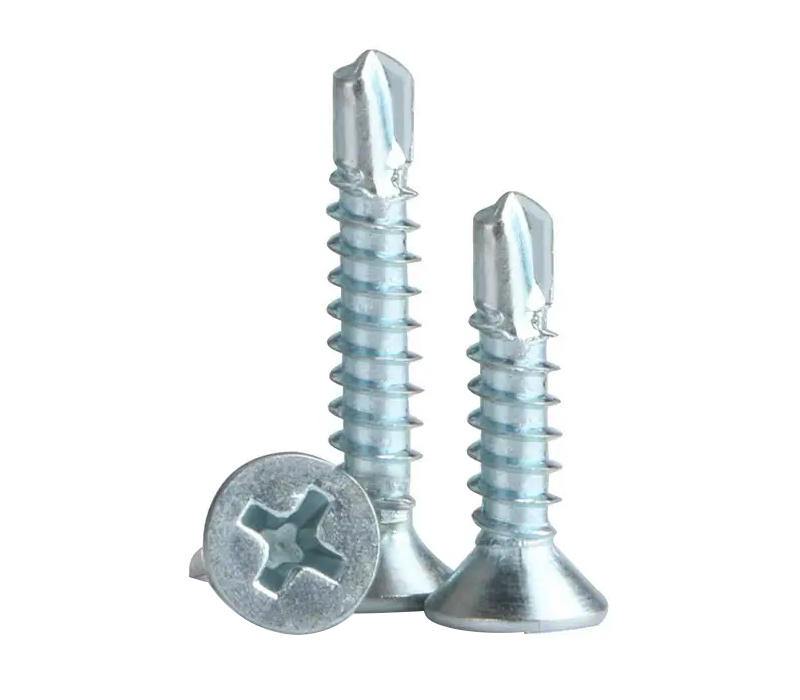
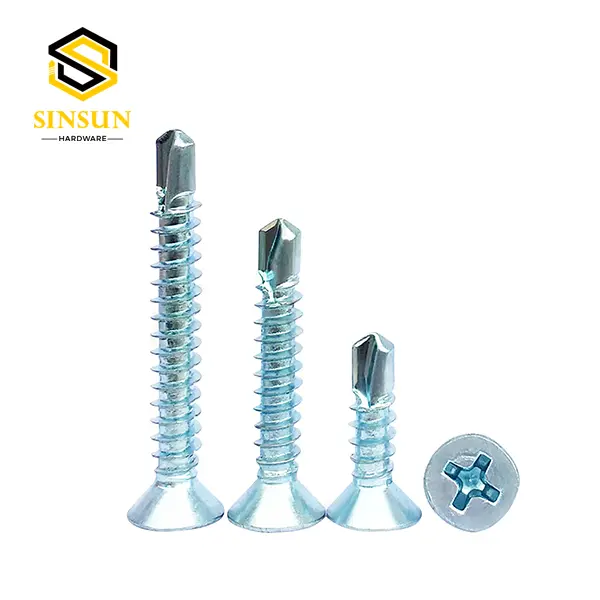
Self-drilling screws integrate drilling, tapping, and fastening into a single operation, significantly reducing installation time.
Manufactured with premium materials and precision-engineered points to ensure stable performance in various metal-to-metal applications.
Self-drilling screws have a point shaped like a drill bit, allowing them to create their own hole in one step. Self-tapping screws usually require a pre-drilled pilot hole before they can tap threads into the material.
No, the primary advantage of self-drilling screws is that they eliminate the need for a pilot hole, saving labor costs and increasing productivity.
They are primarily designed for metal applications, including thin sheet metal and structural steel, depending on the length and type of the drill point.
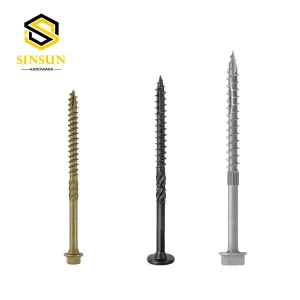
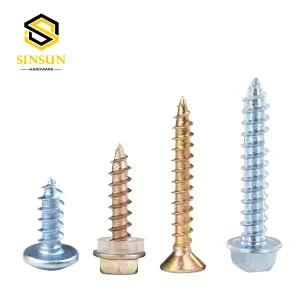
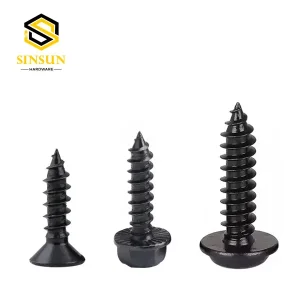
Common head types include hex washer heads, pan heads, flat heads, and wafer heads, each suited for different aesthetic or structural requirements.
The point size (e.g., #2, #3, #5) determines the thickness of the metal the screw can drill through. A higher number indicates a longer drill point capable of penetrating thicker steel.
Yes, they are typically available with various coatings such as zinc plating, ruspert, or made from stainless steel to provide excellent resistance against rust and environmental wear.