
China Structural Lag Screws Factory - Heat-Treated Steel, No Pre-Drilling, Full Diameter Shank Suppliers

,

Our heat-treated steel products offer exceptional strength and durability, making them the ideal choice for your projects. With no pre-drilling required, you can save valuable time and effort. Our full diameter shank design ensures superior performance and reliability. As a leading factory in China, we pride ourselves on providing high-quality materials. Trust our suppliers for innovative solutions that meet your needs.

,

Product Description

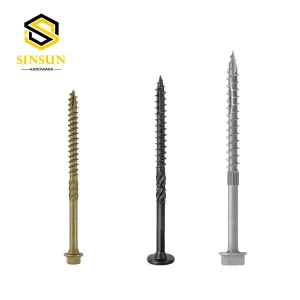
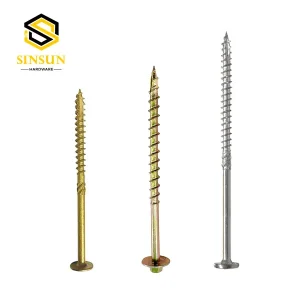
Construction Lag Screw

What Is a Construction Lag Screw?

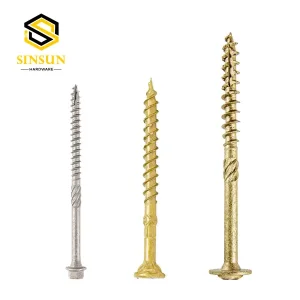
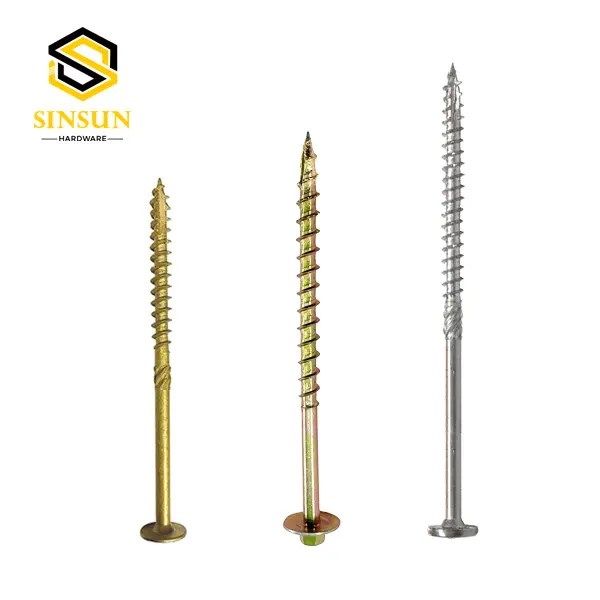
A construction lag screw (also known as a lag bolt) is one of the most heavy-duty fasteners used in construction. Unlike standard wood screws, lag screws are designed to create a strong, durable connection in high-load structural applications.

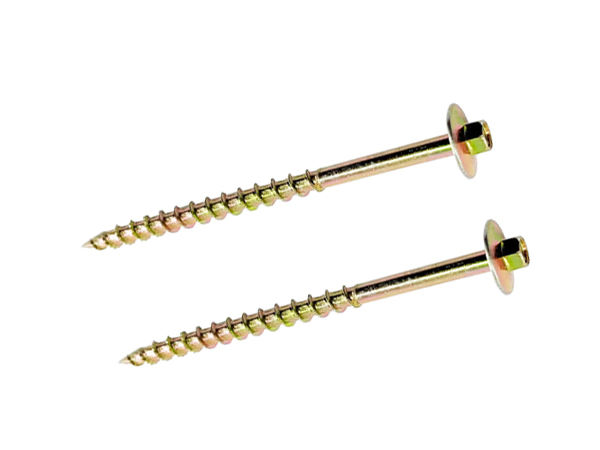
Lag screws feature a thick, coarse thread that grips deep into wood or masonry, providing exceptional holding power. They are typically driven with a wrench or socket rather than a screwdriver, thanks to their hex or square head design.


Key Features Highlights

Construction Lag Screw Features
Construction Lag Screw — Close View
  • Hex Head Design — Allows high torque application with a wrench or socket for secure installation
  • Coarse Threading — Deep, aggressive threads provide superior grip into wood and composite materials
  • Heavy-Duty Shank — Thick body resists shear forces in structural connections
  • Wide Size Range — Available in various diameters and lengths to suit different project requirements
  • Corrosion-Resistant Coatings — Hot-dip galvanized, zinc-plated, or stainless steel options for indoor and outdoor use

Common Applications

Construction lag screws are widely used across a range of structural and heavy-duty building projects, including:

🏗️
Structural Framing Connecting beams, joists, and posts in timber framing and heavy construction.
🪵
Deck & Fence Building Securing ledger boards, posts, and structural members in outdoor decking and fencing projects.
🔩
Machinery & Equipment Anchoring Fastening heavy machinery bases and equipment mounts to wooden or concrete substrates.
🏠
Retaining Wall Construction Joining timber members in retaining walls and landscape structures.

Typical Specifications

Property Details
Head Type Hex Head (6-sided)
Drive Type Wrench / Socket
Thread Type Coarse (Lag Thread)
Diameter Range 1/4" – 1" (6mm – 25mm)
Length Range 1" – 12" (25mm – 300mm)
Material Carbon Steel, Stainless Steel
Finish Options Zinc Plated, Hot-Dip Galvanized, Plain
Standard ASME B18.2.1, DIN 571

Why Choose Our Construction Lag Screws?

  • Manufactured from high-grade steel for maximum strength and durability
  • Precision-rolled threads ensure consistent and reliable fastening performance
  • Multiple surface treatment options available for corrosion resistance in outdoor environments
  • Strict quality control and compliance with international fastener standards
  • Competitive pricing with flexible OEM and bulk order capabilities
  • Fast lead times and reliable global shipping to meet your project deadlines

Frequently Asked Questions (FAQ)

What is the difference between a lag screw and a lag bolt?
The terms "lag screw" and "lag bolt" are often used interchangeably. Technically, a lag screw is threaded and drives directly into wood without a nut, while a bolt typically passes through a material and is secured with a nut. However, in the construction industry, both terms refer to the same heavy-duty hex-head fastener.
Do I need to pre-drill a hole before installing a lag screw?
Yes, it is strongly recommended to pre-drill a pilot hole before installing a lag screw. A pilot hole prevents the wood from splitting, reduces the torque required during installation, and ensures the screw is driven in straight and aligned correctly. The pilot hole diameter should be slightly smaller than the screw's shank diameter.
What materials are construction lag screws suitable for?
Construction lag screws are primarily designed for wood and engineered wood products such as LVL, glulam, and OSB. With appropriate anchors or inserts, they can also be used in masonry and concrete applications. They are not typically used for thin sheet metal or lightweight materials.
Which finish should I choose for outdoor applications?
For outdoor and exposed applications, hot-dip galvanized or stainless steel lag screws are recommended. Hot-dip galvanized screws offer excellent corrosion resistance at a cost-effective price point, while stainless steel provides the highest level of corrosion protection and is ideal for coastal or highly humid environments.
How do I determine the correct lag screw size for my project?
Selecting the correct lag screw size depends on the load requirements, wood thickness, and type of joint. As a general guideline, the lag screw should penetrate the main member by at least 60–70% of its length for an effective connection. For structural applications, always consult local building codes or an engineer to confirm the correct fastener specifications.
Can lag screws be used for ledger board connections?
Yes, lag screws are one of the most common fasteners used for attaching ledger boards to house rim joists or band joists in deck construction. The installation must follow local building codes regarding screw diameter, spacing, and penetration depth to ensure structural integrity and safety.

Related Products