1 / 1

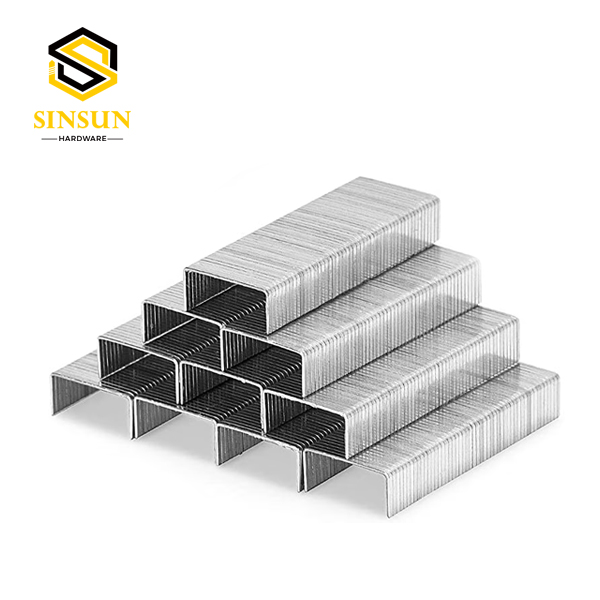
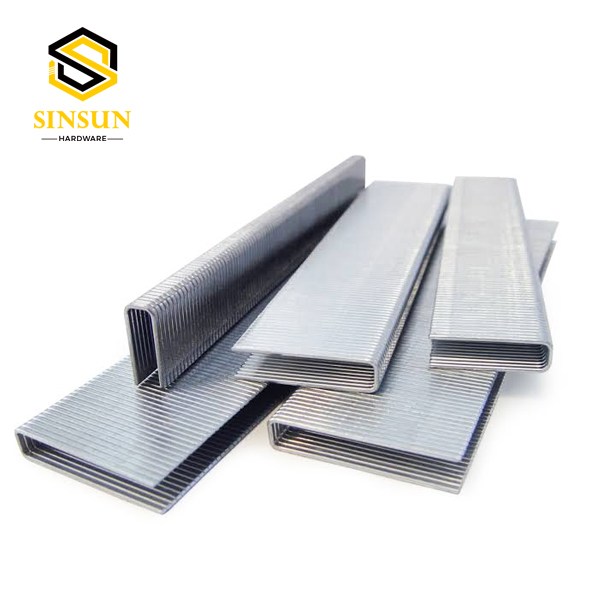
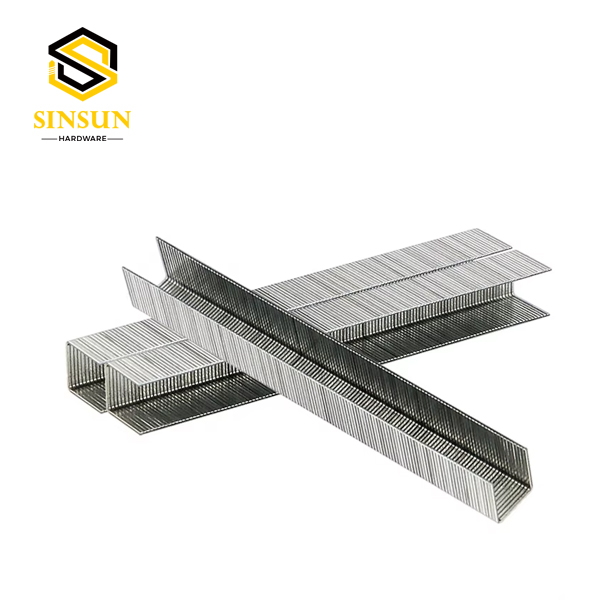
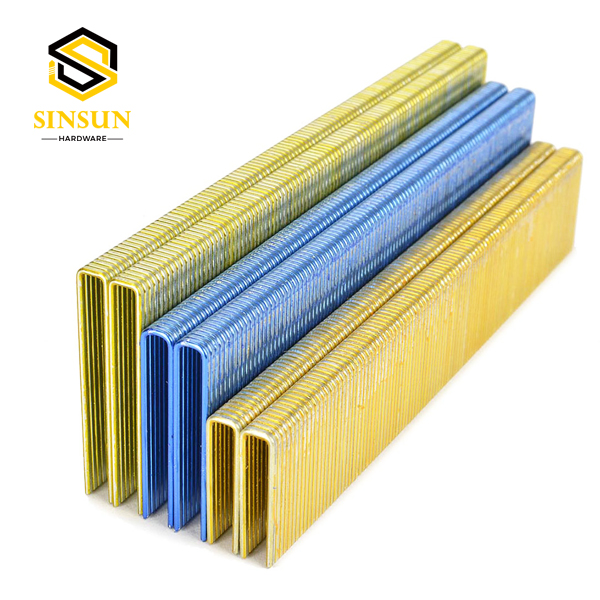
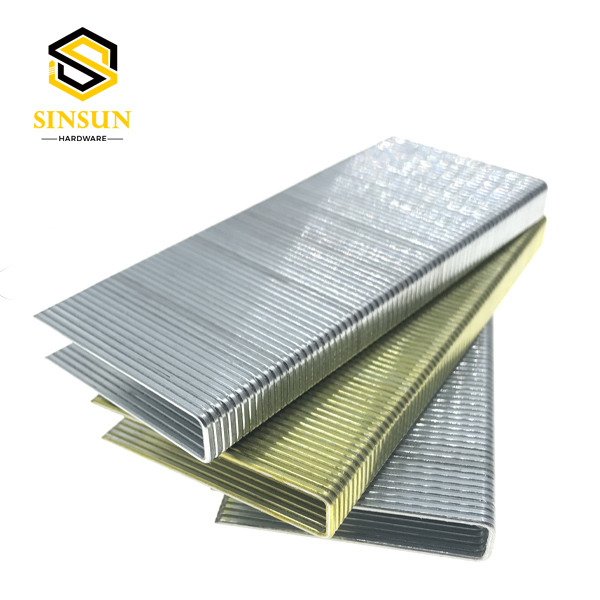
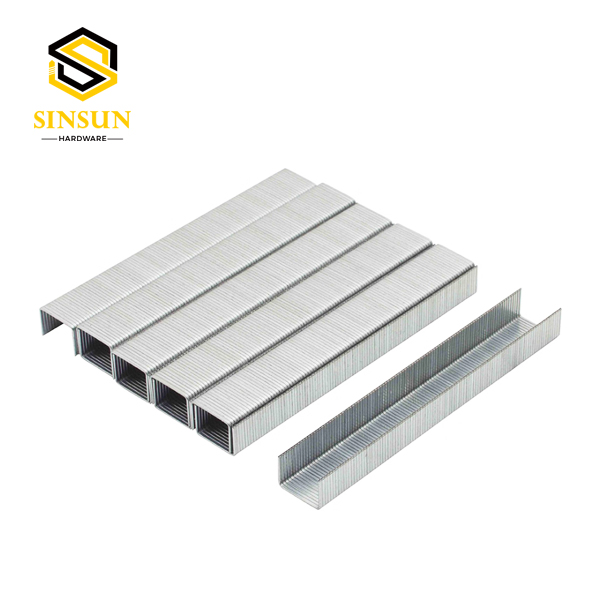
The primary differences lie in their crown width and wire gauge. 80 series staples feature a wider crown (typically around 12.8mm) with a thinner wire, making them ideal for light duty tasks like upholstery and fabric fastening. 90 series staples have a narrower crown (about 5.8mm) and thicker wire, providing deeper penetration and stronger hold for cabinetry and wood construction.
No, industrial staples require specialized pneumatic, electric, or heavy-duty manual staple guns designed specifically for their wire gauge and crown width. Standard office staplers are only compatible with lightweight office staples.
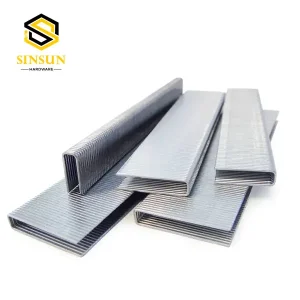
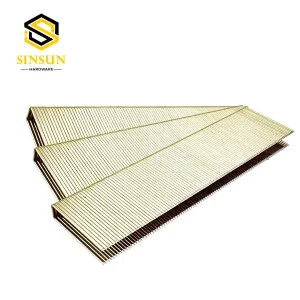
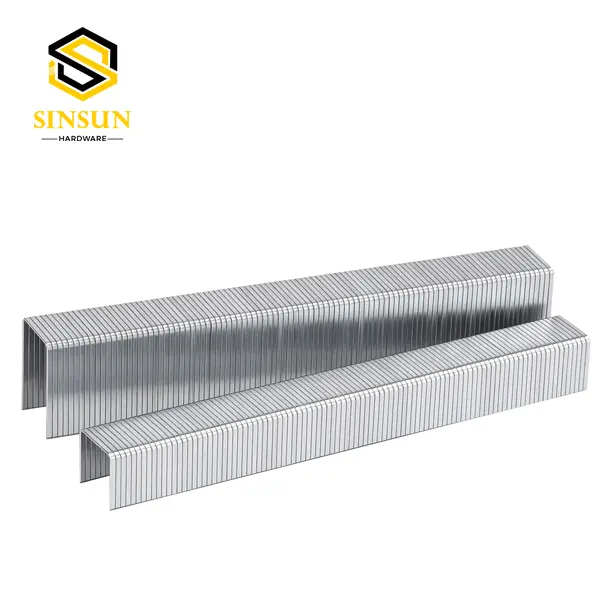
These heavy-duty staples are manufactured for demanding construction and packaging projects. Common applications include pallet assembly, wooden crate construction, subflooring, roof decking, framing, and securing heavy cardboard boxes.
In wire terminology, a lower gauge number indicates a thicker wire. Therefore, a 14 gauge staple is thicker and offers higher shear strength and holding power than a 16 gauge or 18 gauge staple. Choosing the right gauge depends on the hardness of the material and the structural requirements of your project.
Staples designed for construction and outdoor tasks often come with galvanized or stainless steel coatings to resist rust and environmental exposure. It is recommended to choose stainless steel staples for high-moisture or exterior environments to ensure long-term holding integrity.