▶
What are lag screws used for?
Lag screws are heavy-duty fasteners primarily used to connect large pieces of lumber or to attach wood to other materials. They are commonly used in construction, decking, framing, and structural applications where high holding strength is required.
▶
What is the difference between a lag screw and a regular screw?
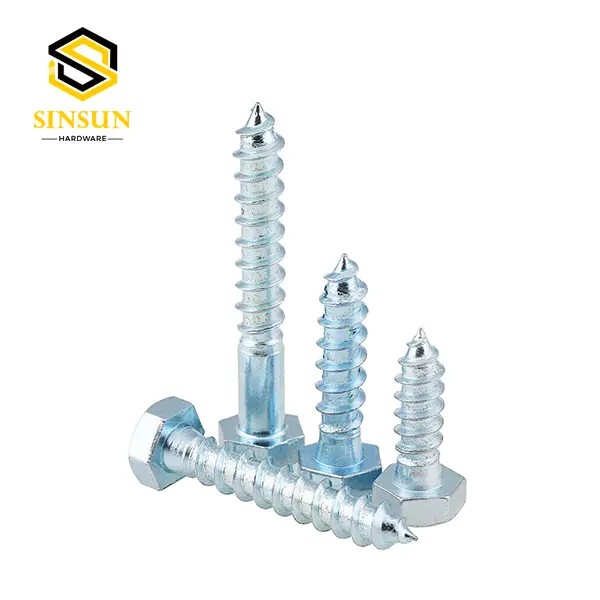
Lag screws are much larger and heavier than regular screws. They feature a hex head (driven with a wrench or socket) rather than a slotted or Phillips head, and have coarse, widely spaced threads designed to grip thick or dense materials with superior holding power.
▶
Do lag screws require a pilot hole?
Yes, it is strongly recommended to pre-drill a pilot hole before installing lag screws. This prevents the wood from splitting, reduces the torque needed during installation, and ensures a more accurate and secure fastening.
▶
What materials are lag screws typically made from?
Lag screws are most commonly manufactured from carbon steel or stainless steel. They may also be available with various surface treatments such as hot-dip galvanizing, zinc plating, or black oxide coating to enhance corrosion resistance for outdoor or high-moisture environments.
▶
What sizes are lag screws available in?
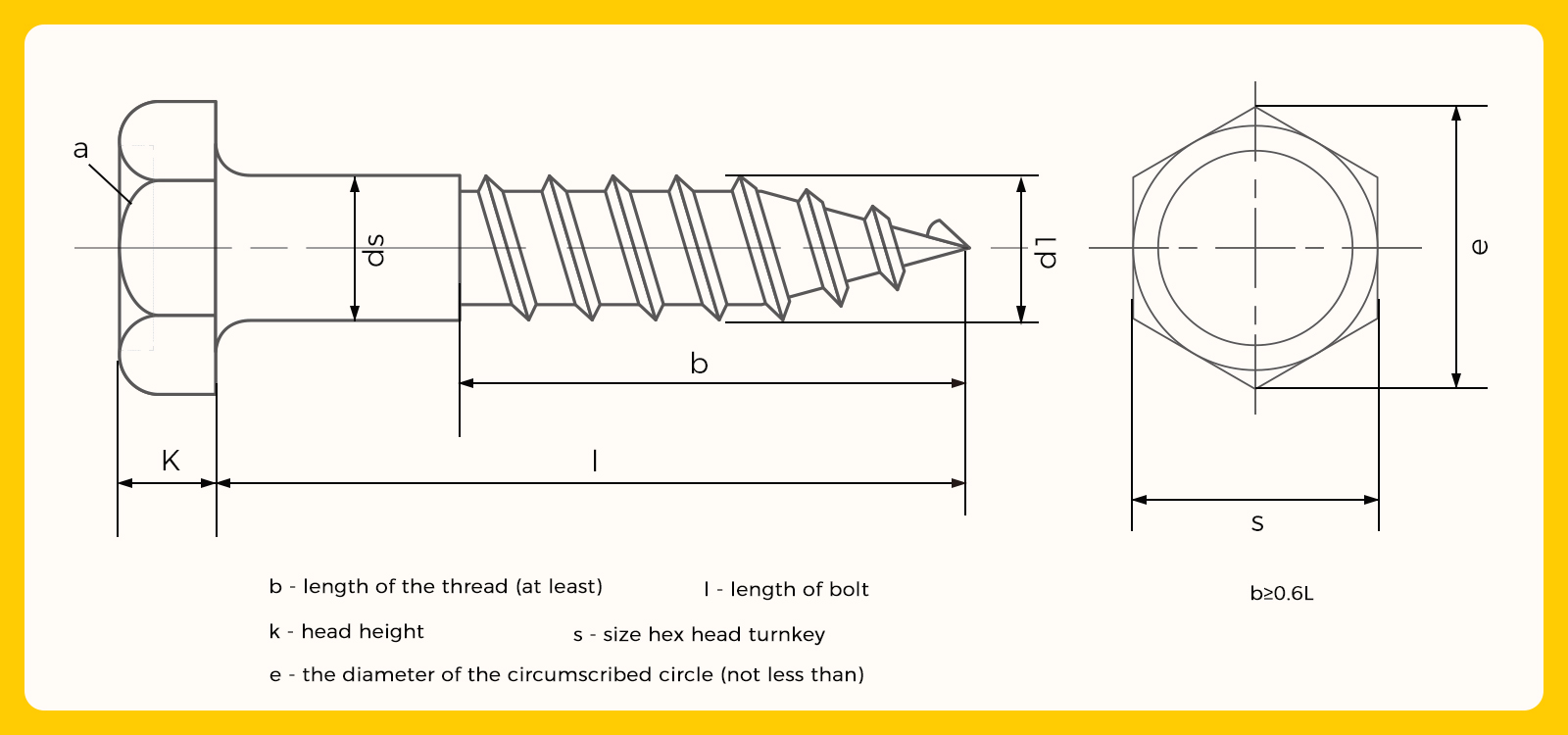
Lag screws are available in a wide range of sizes. Diameters typically range from 1/4 inch to 1 inch (or equivalent metric sizes), and lengths can vary from about 1 inch up to 6 inches or more, depending on the application and load requirements.
▶
Can lag screws be used in outdoor applications?
Yes, lag screws can be used outdoors, but it is important to select the appropriate material and coating. Stainless steel or hot-dip galvanized lag screws are recommended for outdoor or corrosive environments to ensure long-term durability and structural integrity.