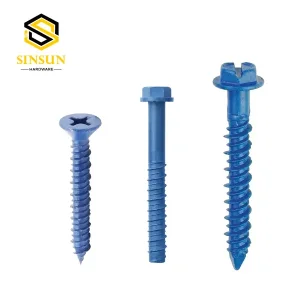
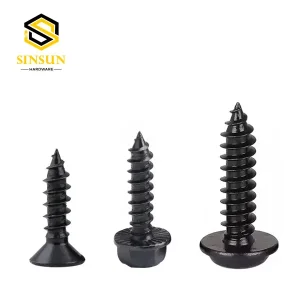
🔩 What Are Wafer Head Screws?
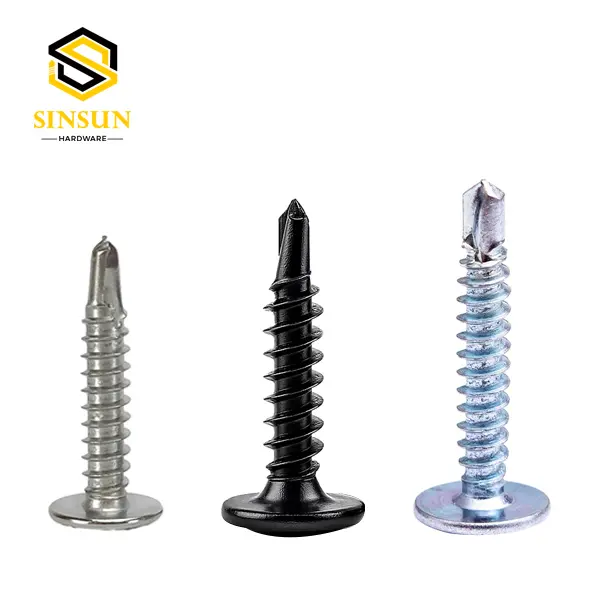
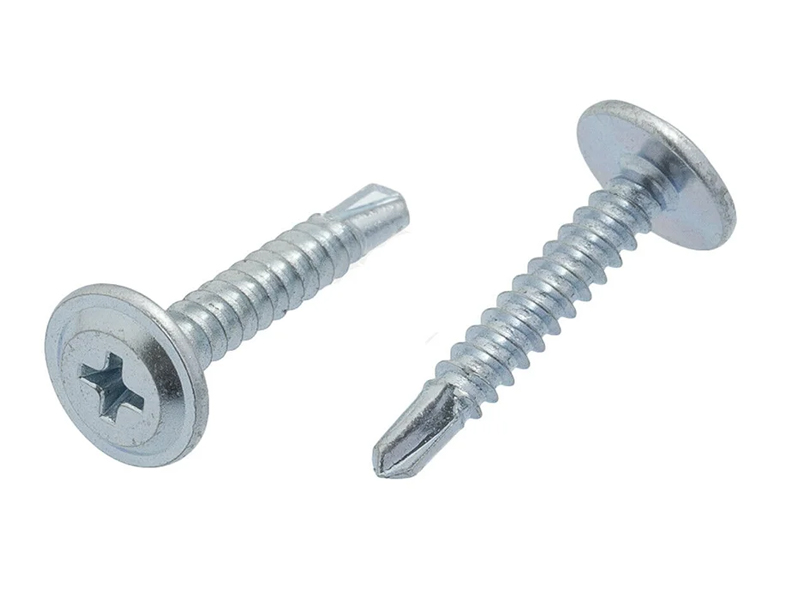
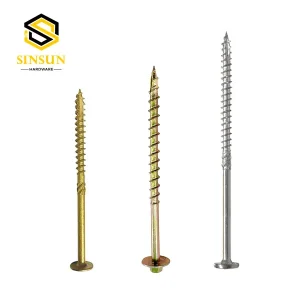
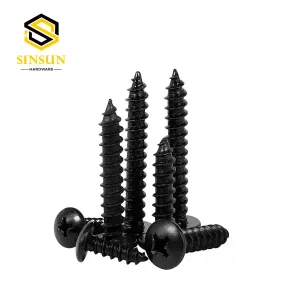
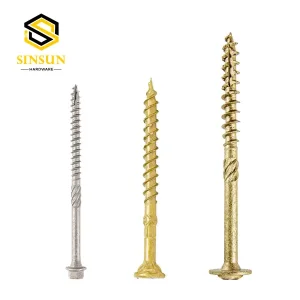
Wafer head screws are a type of fastener featuring a wide, flat, low-profile head with a slightly rounded top surface. The head diameter is larger than that of a standard flat head screw, providing a greater bearing surface area. This design allows the screw to sit flush or nearly flush against the material surface without requiring a countersunk hole.
💡
Key Advantage: The wide head distributes clamping force over a larger area, reducing the risk of pull-through in thin or soft materials such as sheet metal, plastics, and wood composites.
🏗️ Common Applications
Wafer head screws are widely used across construction, manufacturing, and assembly industries due to their versatile low-profile design. Typical applications include:
- Fastening sheet metal panels and HVAC ductwork
- Securing drywall, gypsum board, and cement board
- Assembling wood composites, MDF, and particleboard furniture
- Attaching plastic components in automotive and electronics assemblies
- Light steel framing and metal stud construction
- General-purpose assembly where a flush surface finish is required
🛡️ Material & Finish Options
Selecting the right material and surface finish for wafer head screws is critical for ensuring adequate corrosion resistance, mechanical strength, and compatibility with the application environment.
- Zinc-Plated Carbon Steel: Cost-effective, suitable for indoor and dry environments
- Stainless Steel 304: Good corrosion resistance for general outdoor use
- Stainless Steel 316: Superior marine-grade corrosion resistance for harsh environments
- Black Oxide: Mild corrosion resistance with a clean matte black aesthetic
- Hot-Dip Galvanized: Heavy-duty outdoor and structural applications
- Nickel Plated: Decorative finish with moderate corrosion protection
❓ Frequently Asked Questions
Q
What is the difference between a wafer head screw and a flat head screw?
A wafer head screw has a wide, flat-bottomed head that sits on the surface of the material without requiring a countersunk hole, while a flat head screw has a tapered underside designed to sit flush within a countersunk recess. Wafer head screws provide a larger bearing surface and are better suited for thin or soft materials where pull-through resistance is important.
Q
Can wafer head screws be used in outdoor applications?
Yes, wafer head screws can be used outdoors, but the material and finish must be appropriate for the environment. For general outdoor use, zinc-plated or stainless steel 304 screws are suitable. For marine or highly corrosive environments, stainless steel 316 or hot-dip galvanized options are recommended to prevent rust and corrosion.
Q
Do wafer head screws require a pilot hole?
It depends on the screw type and the base material. Standard wafer head screws typically require a pilot hole sized to the minor diameter of the thread. Self-tapping wafer head screws can cut their own threads in softer materials without a pilot hole, and self-drilling (TEK) variants can penetrate sheet metal without any pre-drilling.
Q
What materials are wafer head screws typically used to fasten?
Wafer head screws are commonly used to fasten sheet metal, drywall, wood composites (MDF, particleboard, plywood), plastic panels, and light steel framing. Their wide head and low profile make them ideal for thin or soft materials where a flush or near-flush surface finish is desired.
Q
What drive types are available for wafer head screws?
Wafer head screws are available in a variety of drive types including Phillips (cross), Pozidriv, square (Robertson), and combination drives. Phillips and square drives are the most commonly used in construction and manufacturing. The choice of drive type affects installation speed, cam-out resistance, and compatibility with available tooling.
Q
How do I choose the correct size of wafer head screw for my application?
To select the correct wafer head screw size, consider the thickness and type of material being fastened, the required holding strength, and the available clearance for the screw head. As a general rule, the screw length should be long enough to penetrate the base material by at least twice the screw's nominal diameter. Consult load tables or a fastener specialist for structural or high-load applications.