Mechanical connections operating in automotive machinery, infrastructure, and heavy agricultural equipment are consistently subjected to dynamic shear stress, vibrational loads, and thermal expansion. Under these harsh parameters, maintaining tension and preventing pre-load loss is a critical engineering challenge. The helical spring lock washer (typically conforming to DIN 127, ASME B18.21.1, or JIS B1251) is a specialized mechanical locking element designed to compensate for tension loss, minimize structural movement, and secure critical joints.
A spring lock washer functions on two primary mechanical factors: elastic spring back and frictional locking. The helical configuration provides an initial axial tension when compressed during bolt installation. This spring rate generates a continuous clamp force against the nut or bolt head, neutralizing minor seating settlement or creep within the joint.
Additionally, the split ends of a DIN 127B or standard lock washer feature sharp edges. Upon compression, these edges bite into the mating surfaces of both the fastener head and the substrate. This mechanical interference raises the friction required to loosen the bolt, offering reliable resistance to rotational loosening induced by heavy mechanical vibrations.
Thermal cycling can trigger varying expansion rates between steel fasteners and light alloy components (such as aluminum structures in solar framing or automotive chassis). The elasticity of the spring washer accommodates these shifts, maintaining the clamp load within safe parameters.
By choosing premium alloy steel grades (such as C1022A, 65Mn, or SUS 304) and controlling heat treatment parameters (achieving consistent hardness of HRC 40-50 depending on standard requirements), Sinsun Hardware's spring washers prevent premature plastic deformation under high preload states.
Partnering exclusively with XING TAI Steel and Ansteel Group allows us to process over 10,000 tons of high-grade carbon steels (C1022A, 65Mn) and stainless alloys annually, ensuring metallurgical consistency.
Our facility utilizes German-imported multi-station cold heading machinery combined with advanced Taiwanese engineering, yielding structural tolerances within a strict ±0.02mm limit.
Operating four automated heat treatment lines allows us to process 20 tons per day. We manage the tempering and annealing processes to eliminate hydrogen embrittlement risks.
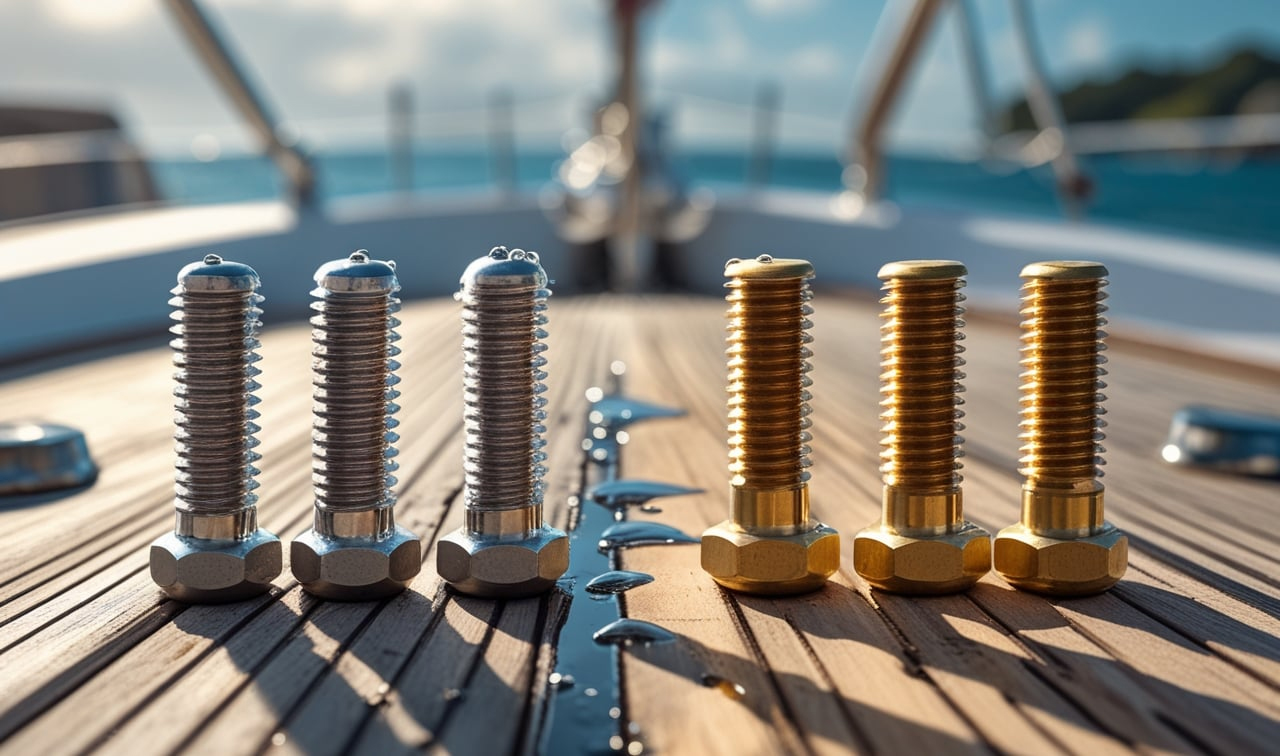
From marine structures exposed to high salinity to high-speed railway systems, our locking components are designed to meet exact international standards and mechanical conditions.
In steel structural framings, bridge girders, and commercial building expansions, fasteners must support massive static and dynamic loads. Our spring lock washers provide consistent tension, compensating for joint settling and structural deformation caused by wind loads or seismic shifts.
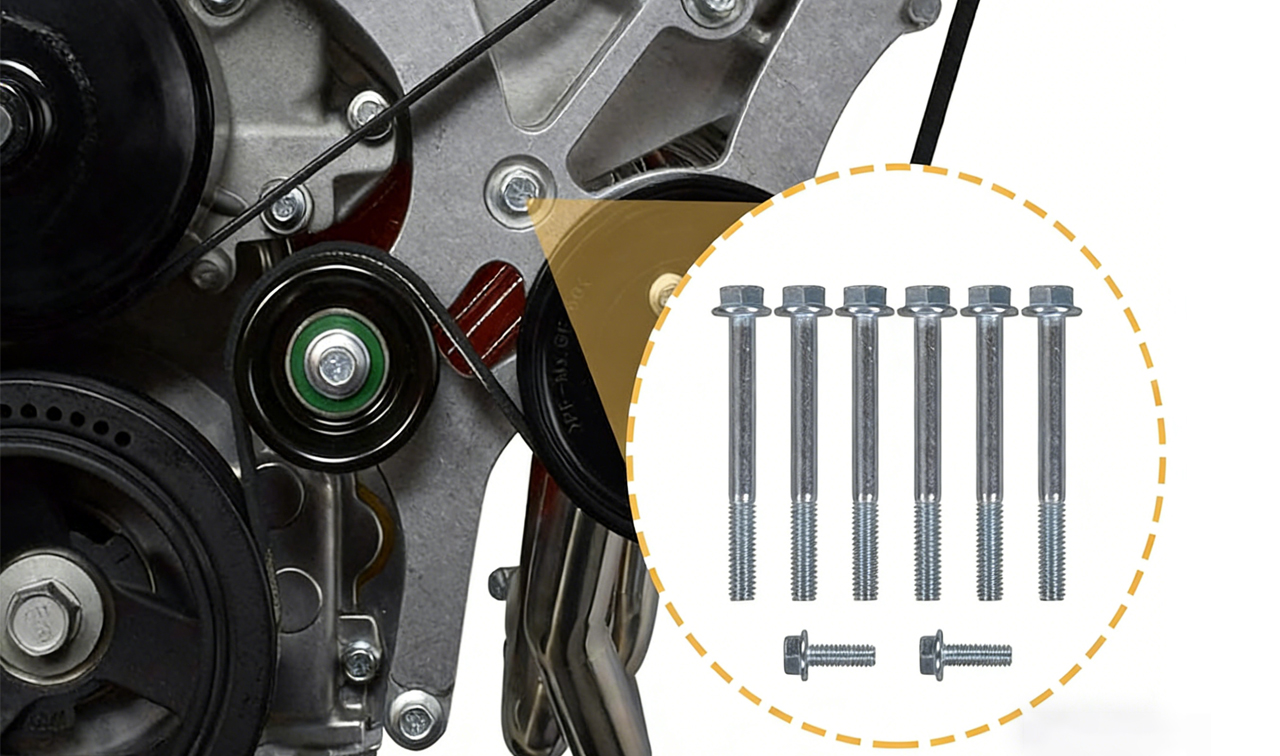
Automotive engines and chassis systems undergo continuous high-frequency vibration and severe thermal variation. Specialized high-tensile spring steel washers ensure that engine mounts, steering knuckles, and exhaust connections maintain structural clamping force.
Outdoor solar tracking arrays and wind turbine assemblies are subjected to continuous environmental exposure. Utilizing stainless steel (SUS 316) or hot-dip galvanized spring washers ensures corrosion resistance for 25+ years of operational service.
With the rise of EV battery enclosures, securing internal busbars and electrical terminals requires washers that prevent loosening without damaging soft conductivity materials. Precision tension control is critical to maintaining safe electrical connections.
| Standard | Material Class | Hardness Range | Typical Surface Finish | Core Application |
|---|---|---|---|---|
| DIN 127 Type A / B | Carbon Steel / 65Mn / Stainless Steel | 40 - 50 HRC / 430 - 530 HV | Yellow Zinc Plated / Mechanical Galv / Plain | General Industrial & Machine Tool Assemblies |
| ASME B18.21.1 | Alloy Steel / Carbon Steel / Silicon Bronze | 38 - 46 HRC | Black Oxide / Zinc Flake Coating | North American Structural & Automotive Systems |
| JIS B1251 | Spring Steel / Stainless Steel SUS 304 | 42 - 50 HRC | Electroplated Zinc / Dacromet | Precision Automotive Electronics & Power Equipment |
| ISO 7089 (Ref Flat) | Carbon Steel (200HV / 300HV) | Varies | Hot Dip Galvanized / Ruspert Coating | Structural Joint Load Distribution Systems |
From Sinsun's founding in 2006, we have expanded from a local manufacturer into a high-capacity supplier, consistently modernizing our technology and production capabilities.
Sinsun Hardware was established in 2006, initiating production in Northern China with a focus on self-tapping screws and basic industrial washers.
Launched global export channels, establishing distribution routes across Russia, South America, Southeast Asia, and the Middle East.
Upgraded manufacturing facility with German-imported multi-station cold heading machinery and Taiwanese quality control tools.
Reaching a 36,000-ton annual output. Our 12,000 sqm smart warehouse, combined with four in-house heat treatment lines, supports 24/7 global supply requirements.
We assist clients in optimizing mechanical connection designs, choosing raw materials, and performing cost-benefit analyses, alongside providing complimentary sample testing services for quality verification.
Certified under a proprietary quality management framework, we inspect every phase from raw material drawing to final surface plating. In-house labs conduct salt spray, hardness, torque, and fatigue life testing.
Our finishing lines apply specialized coatings, including Ruspert (1000+ hours salt spray test resistance), Hot Dip Galvanizing, Zinc-Nickel, and Dacromet coatings, satisfying heavy-duty industrial environmental demands.
As manufacturing demands transition toward lighter materials and sustainable processes, the locking element industry must continuously evolve.
Integrating specialized mechanical deformation indicators to allow quick structural inspection of fastener pre-load values without requiring disassembly.
Transitioning to Cr-free passivation and water-based coatings that conform to REACH and RoHS requirements while maintaining anti-corrosion performance.
Developing modified spring steel alloys that retain elasticity in high-heat industrial assemblies, preventing relaxation under prolonged stress.
Connect with our technical sales division to request material samples, product specifications, or project-specific quotes. Our support team is ready to assist.
Connect With An Engineer