1 / 1

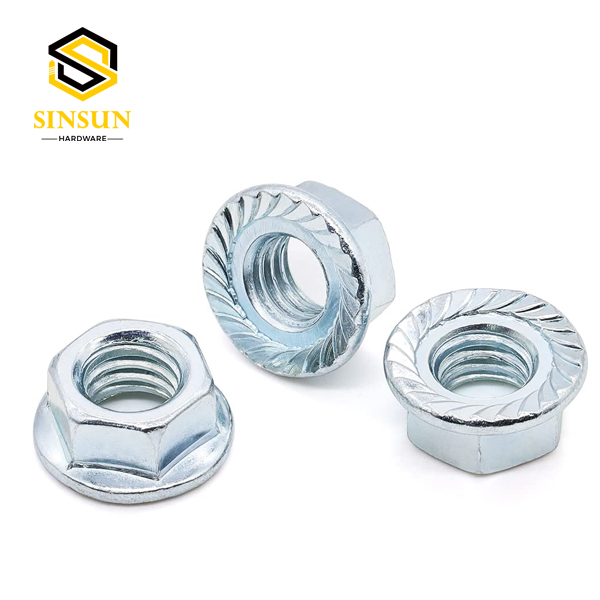
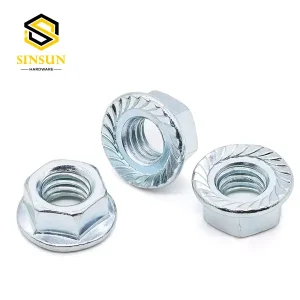
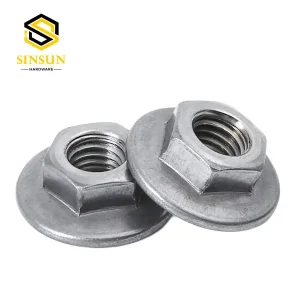
A flange nut features a wide flange at one end that acts as an integrated, non-spinning washer. This design helps distribute the pressure of the nut over a larger surface area, securing the connection and reducing the potential damage to the mating material.
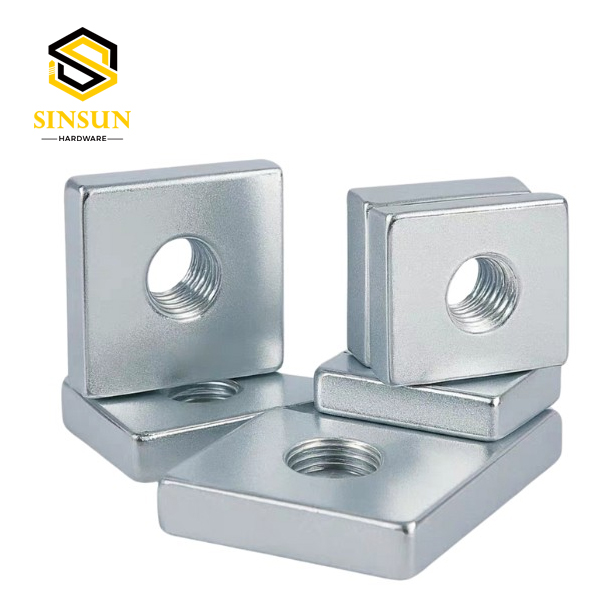
Square nuts offer a larger surface contact area than hex nuts, which provides greater resistance to loosening. They are commonly used in blind locations or tight channels where they can be held in place while a bolt is tightened.
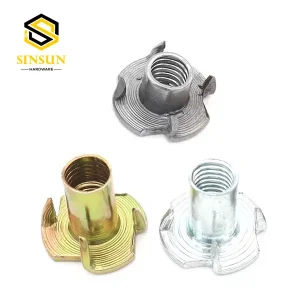
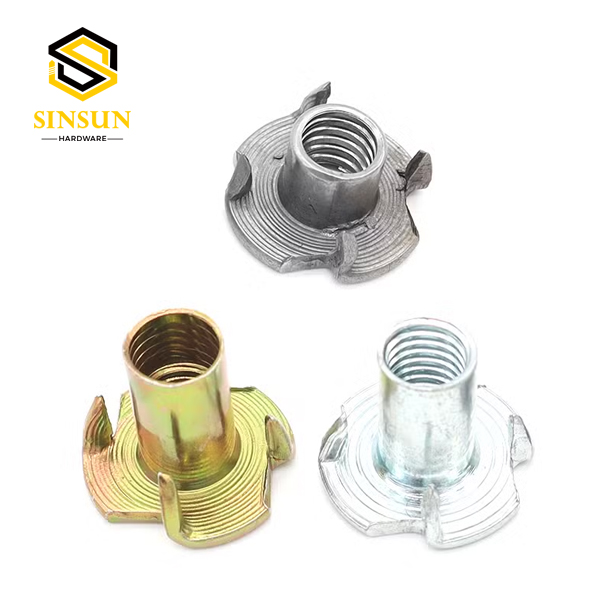
Tee nuts are designed to insert into pre-drilled holes in wood, composites, or plastics. The pronged design digs into the target material, creating a flush-fitting, threaded steel anchor point that allows standard bolts to be securely threaded in.
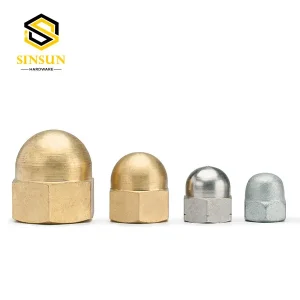
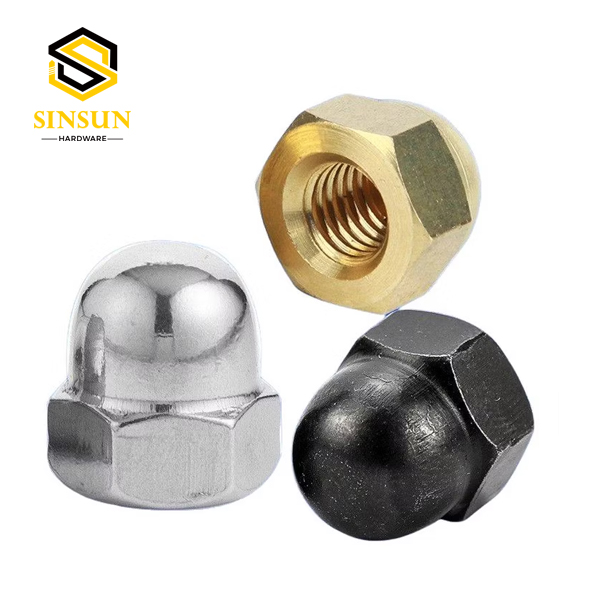
Crown cap nuts, also known as dome or acorn nuts, cover exposed bolt threads to prevent injury or damage from sharp edges. They also provide a clean, polished, aesthetic look to finished assemblies.
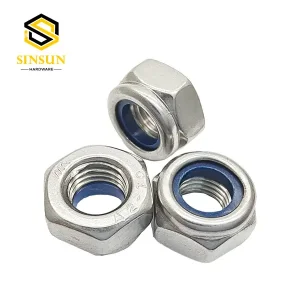
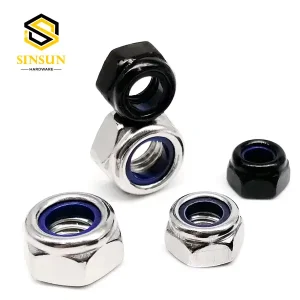
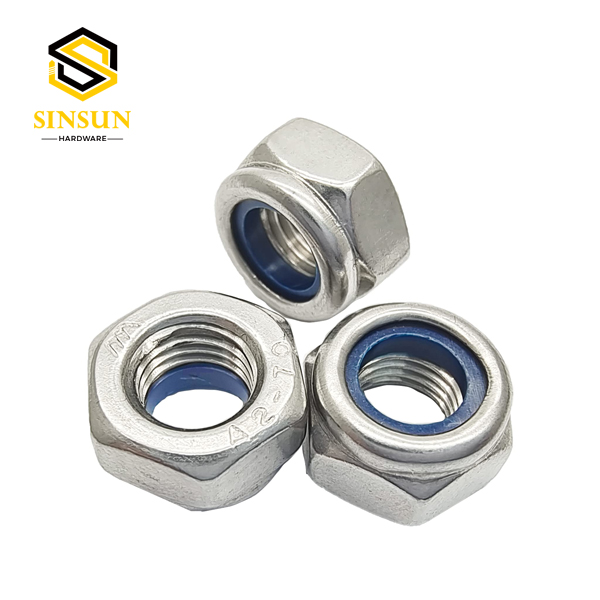
Lock nuts contain a mechanism—such as a nylon collar or a distorted thread profile—that increases friction against the mating bolt. This locking capability prevents the nut from backing off under high vibration or constant motion.