1 / 1

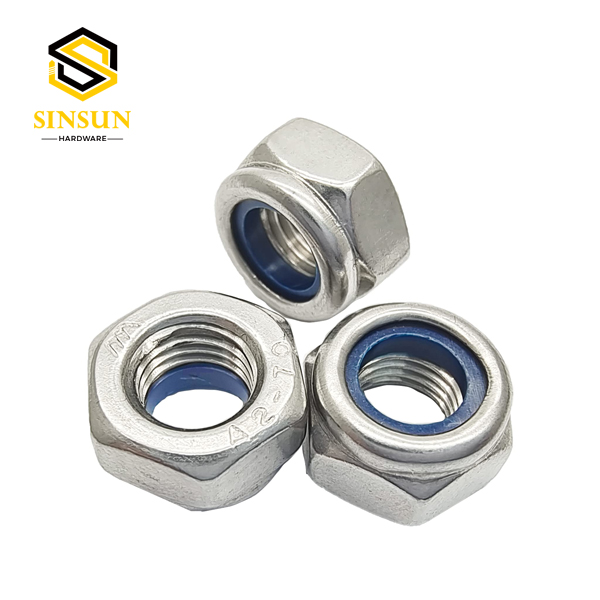
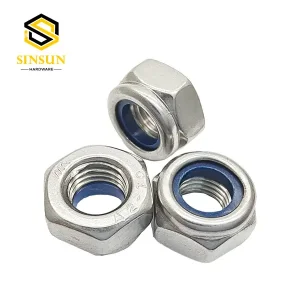
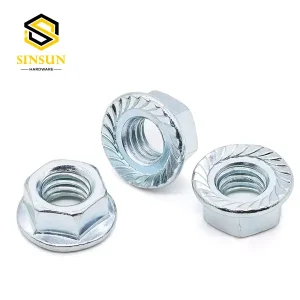
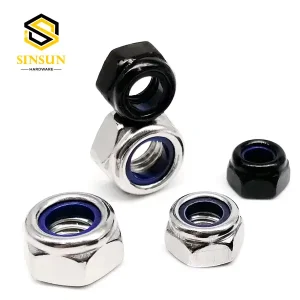
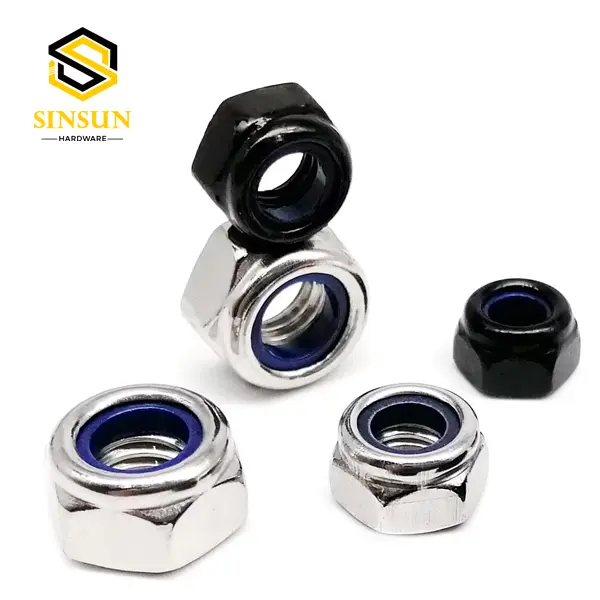
Lock nuts are specifically engineered to resist loosening caused by vibration, torque, and heavy mechanical stress. They are widely utilized in automotive assemblies, industrial machinery, and structural construction to ensure long-term fastening security.
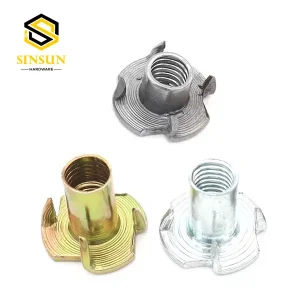
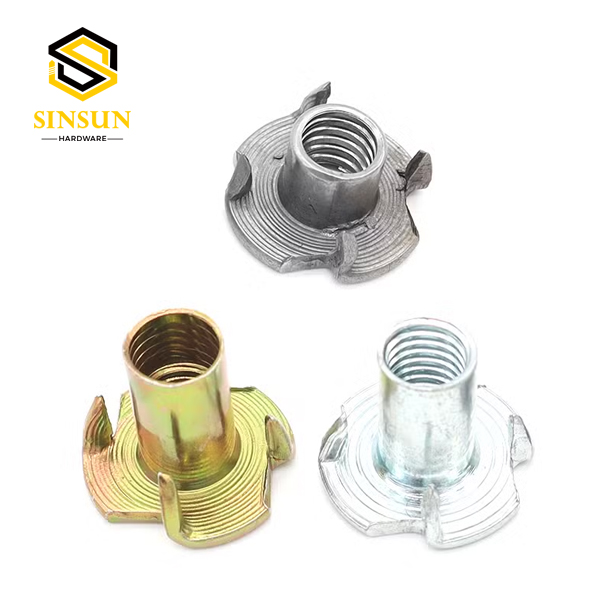
Tee nuts feature a flat profile with prongs or a flange that bites directly into wooden surfaces. When the bolt is tightened, it pulls the Tee nut flush into the wood, creating a strong steel thread interface that prevents wood splitting and thread stripping.
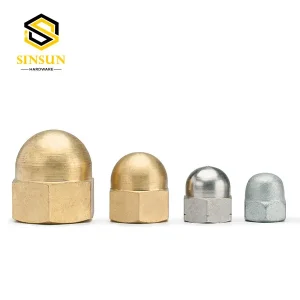
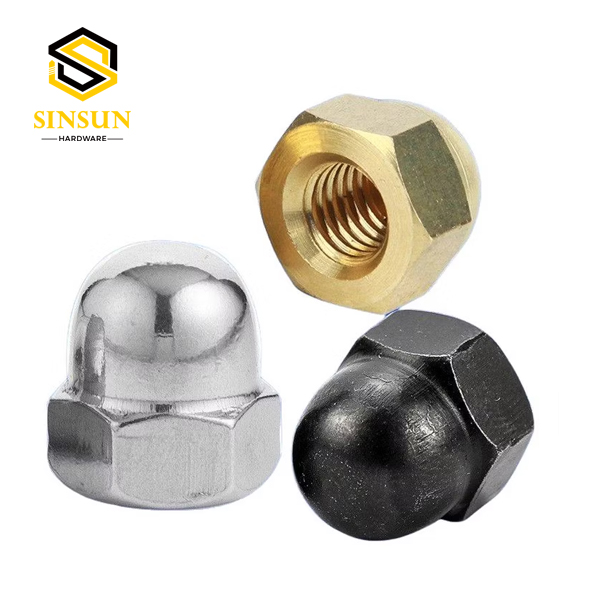
Crown Cap nuts, also known as dome or acorn nuts, feature a closed dome cover. This design protects the exposed bolt thread from corrosion and physical damage while preventing external objects or skin from catching on sharp threads, providing a clean and safe finish.
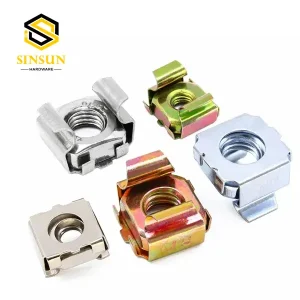
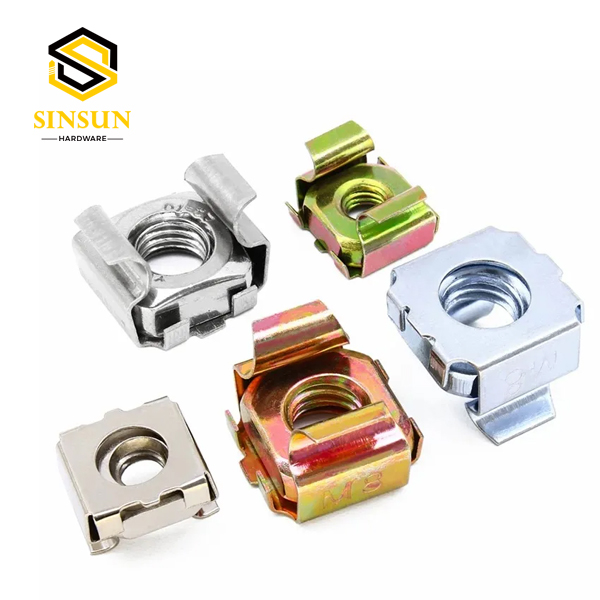
Cage nuts consist of a standard nut encased in a spring-steel cage. They are ideal for server racks, telecommunication enclosures, and electrical cabinets where mounting hardware needs to be easily adjusted, replaced, or slid along pre-punched square mounting holes.
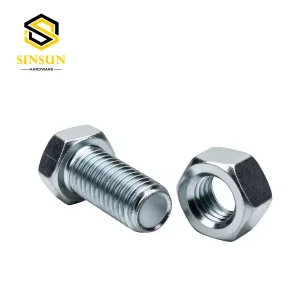
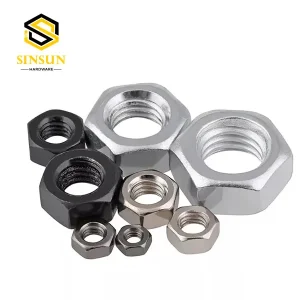
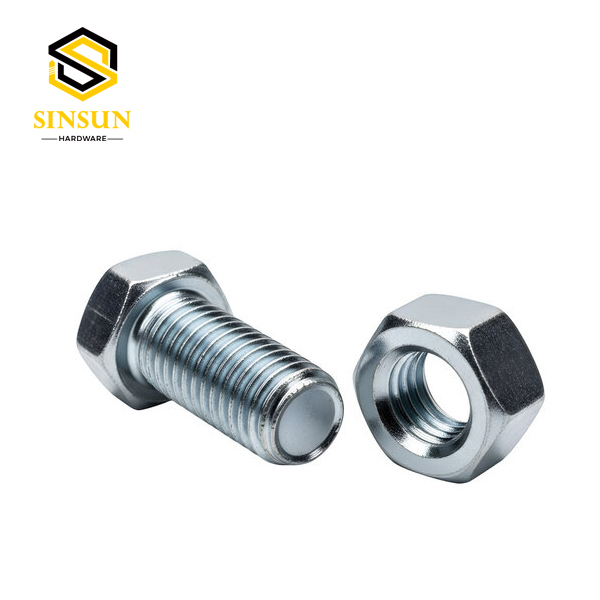
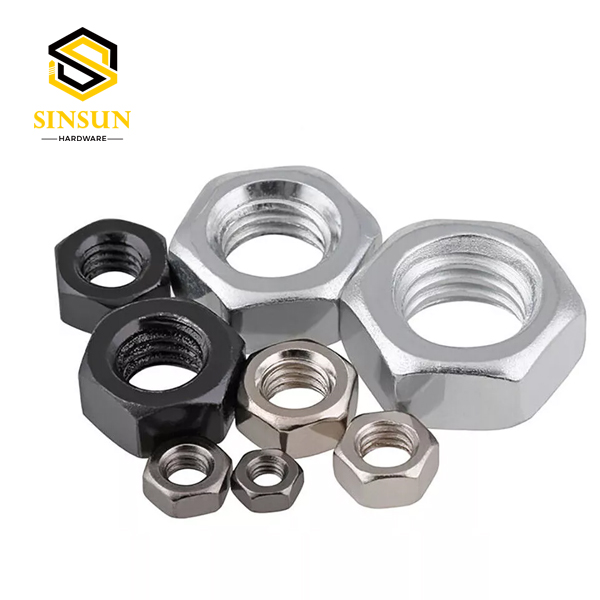
A hex nut is a specific six-sided fastener designed to fit onto the end of a bolt or machine screw. "Bolt nuts" is a broad categorical term that includes various types of nuts paired with bolts, with the standard hex nut being the most common variant for general assembly work.