1 / 1

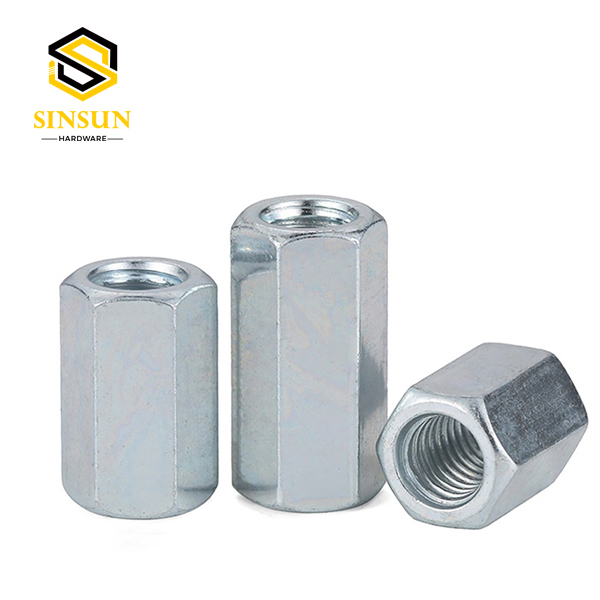
Coupling nuts, also known as extension nuts, are primarily used to connect two threaded rods or male fasteners together, extending the length of the assembly in structural and industrial applications.
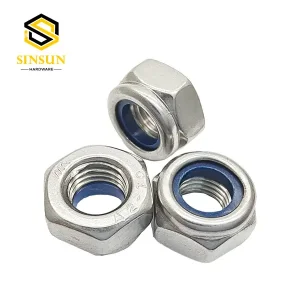
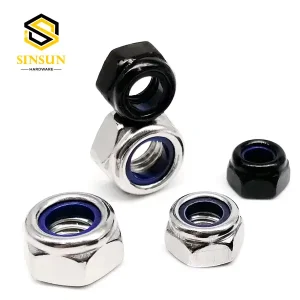
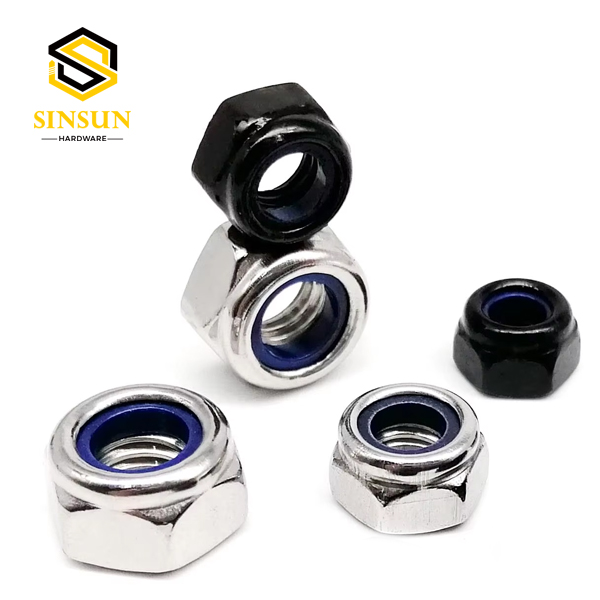
A nyloc nut features a nylon collar insert that grips the thread of the mating bolt. This creates friction and resistance against vibrations, preventing the nut from loosening under dynamic loads.
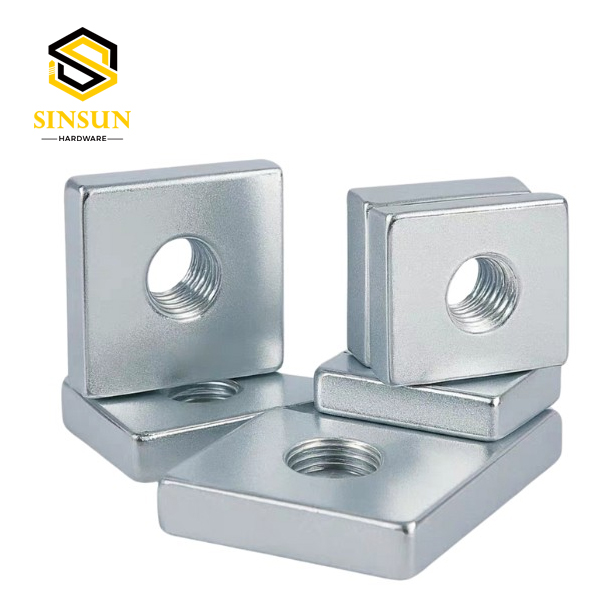
Square nuts offer a greater surface contact area with the fastened material, which helps prevent loosening. They are also easier to grip with standard wrenches in tight spaces compared to hex nuts.
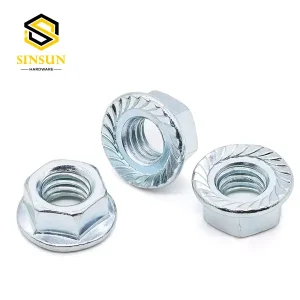
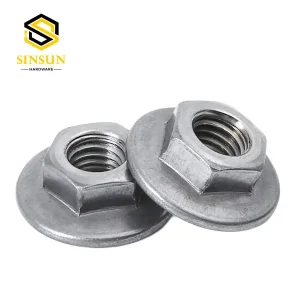
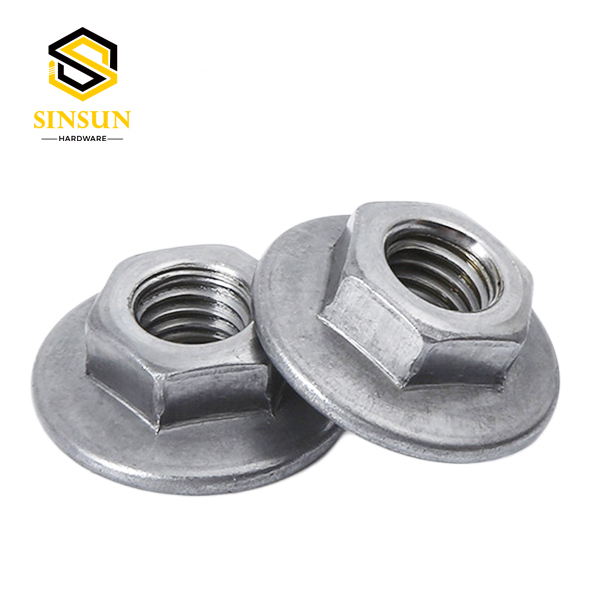
Washer nuts (or flange nuts) combine a nut and a washer into a single piece. They are ideal for distributing the clamping pressure over a wider surface area and covering oversized or irregular holes.
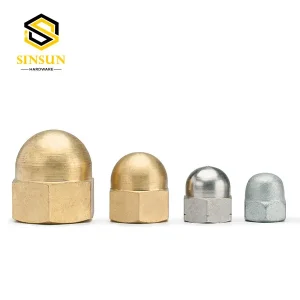
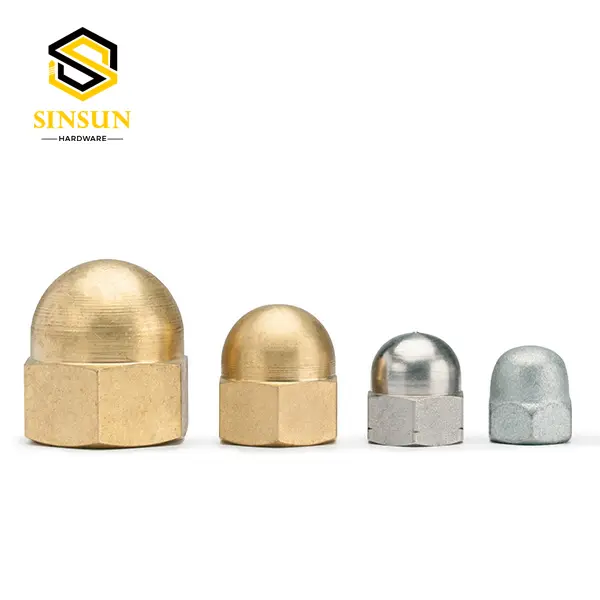
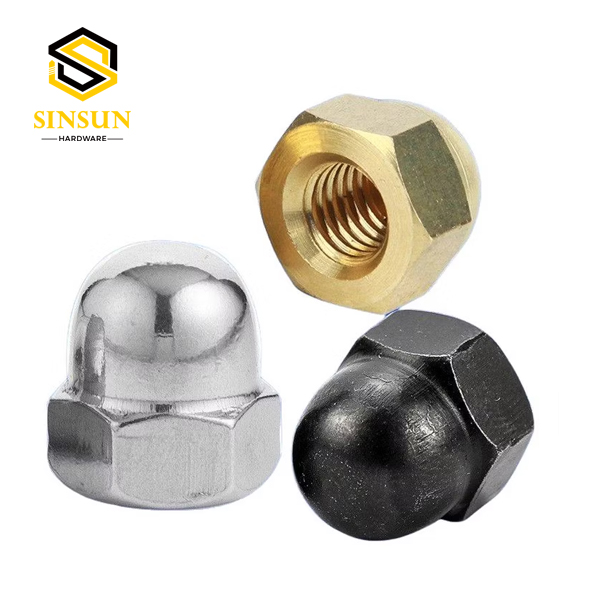
Crown Cap Nuts, or dome nuts, protect the exposed bolt threads from corrosion, dirt, and mechanical damage. They also provide a smooth, aesthetic finish and prevent injuries caused by sharp thread edges.
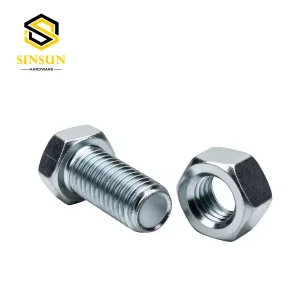
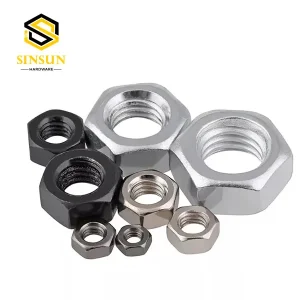
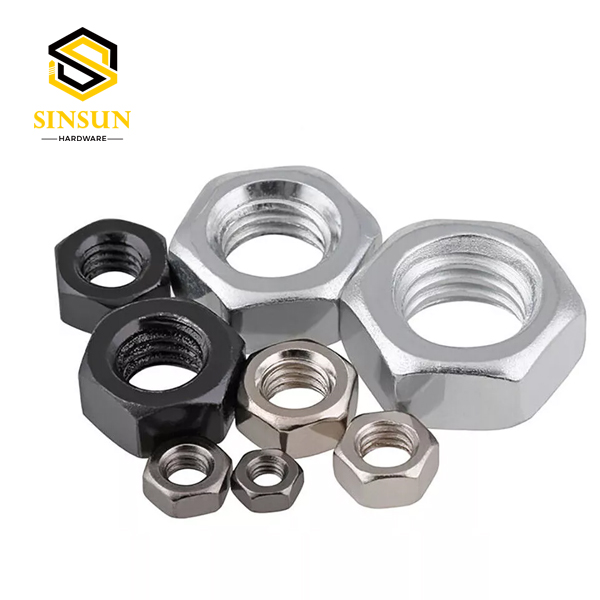
Industrial hex nuts are commonly manufactured from carbon steel, stainless steel, and alloy steel. Different coatings like zinc plating or hot-dip galvanization are applied to enhance rust resistance.