1 / 1

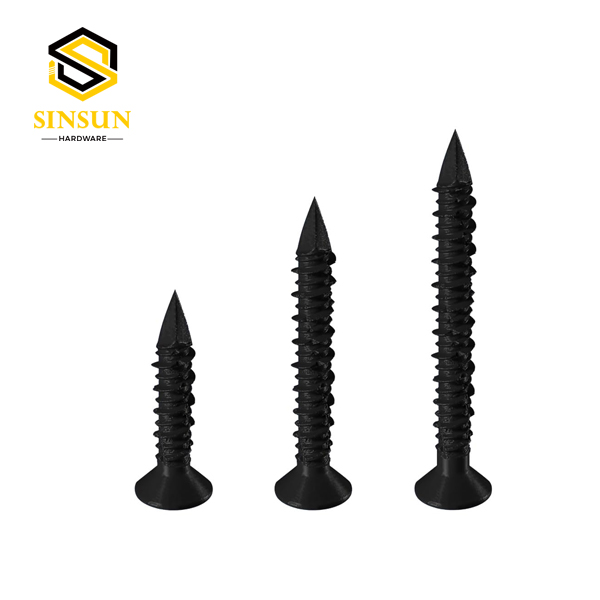
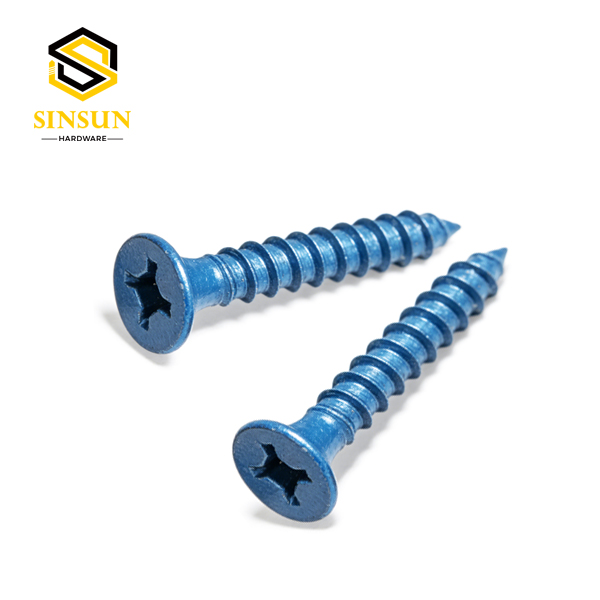
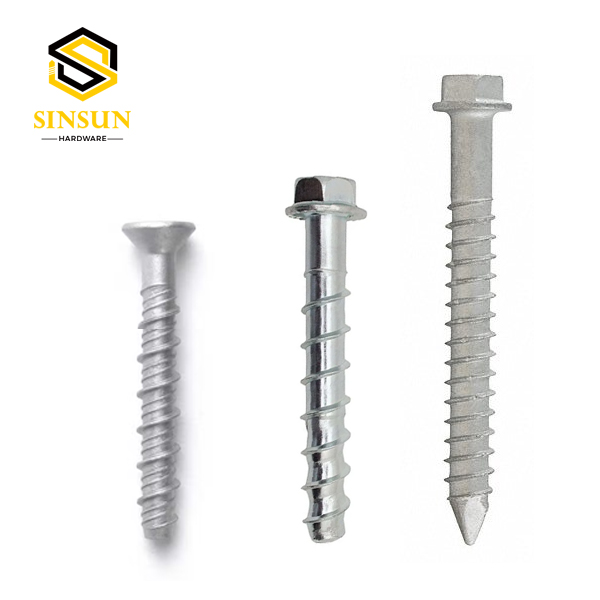
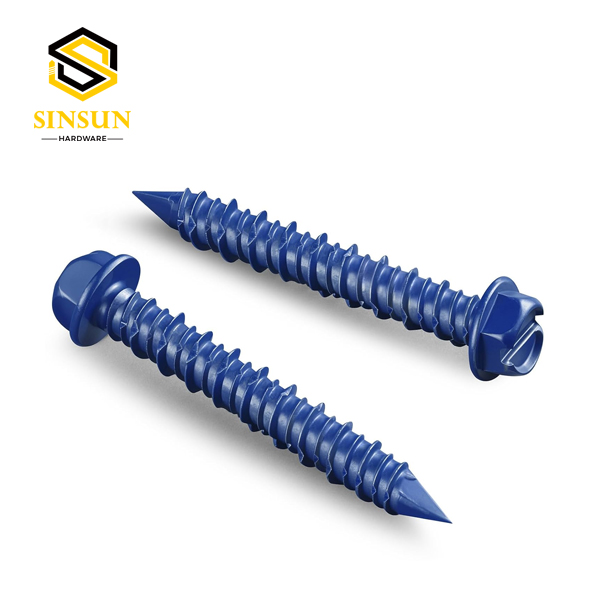
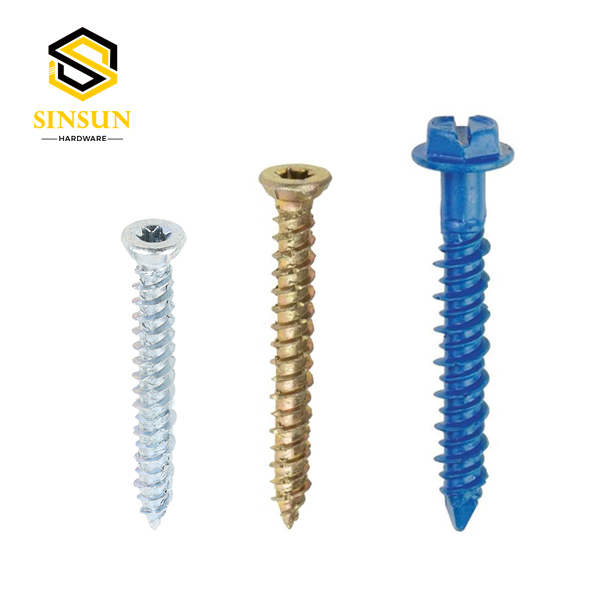
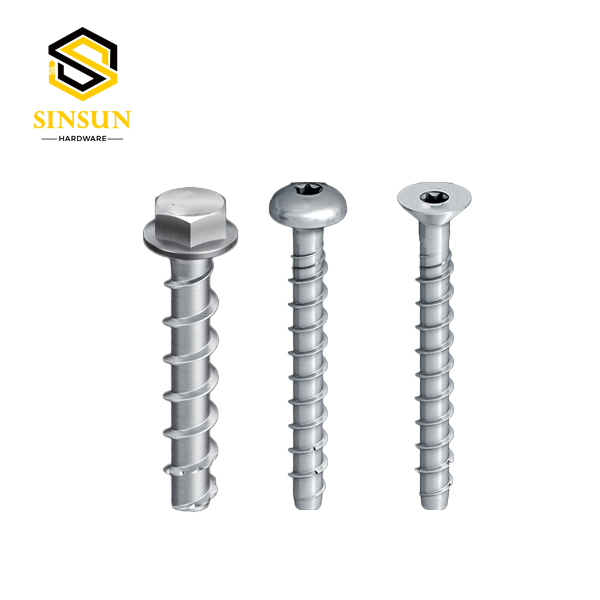
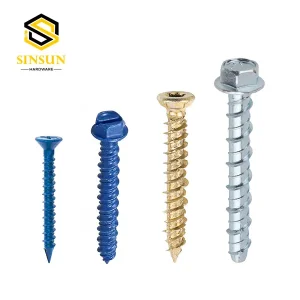
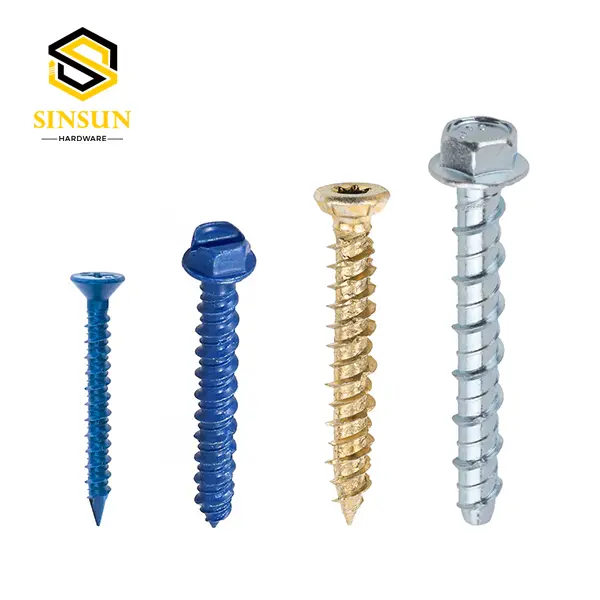
Concrete screws are specifically designed to fasten wood, metal, brackets, and electrical fixtures directly into concrete, masonry, brick, or cinder blocks without the need for additional anchors.
Yes, most standard concrete screws require a pre-drilled pilot hole. The drill bit size must match the screw manufacturer's specifications precisely to ensure maximum thread engagement and holding strength.
Stainless steel concrete screws offer superior corrosion and rust resistance. They are highly recommended for outdoor installations, marine environments, and high-moisture applications where standard screws might degrade.
No, it is not recommended to reuse concrete screws in the same hole. The threads cut into the concrete wall on the first insertion, and reinstalling a screw in the same hole will significantly reduce its pull-out strength and load capacity.
Self-tapping concrete screws are engineered with specific alternating high and low threads. As they are driven into the pre-drilled pilot hole, they tap their own matching internal threads directly into the masonry material, creating a secure mechanical interlock.
To achieve optimal holding power, concrete screws should generally achieve a minimum embedment depth of 1 inch to 1-3/4 inches into the structural masonry material. Deep embedment ensures the fastener can withstand dynamic loads.