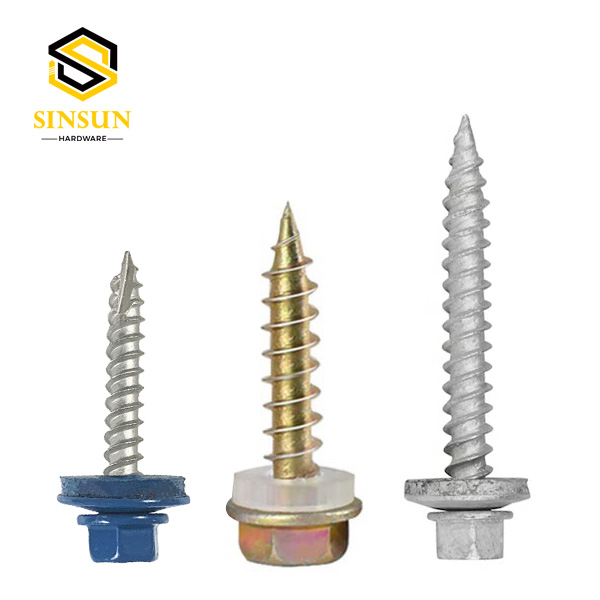
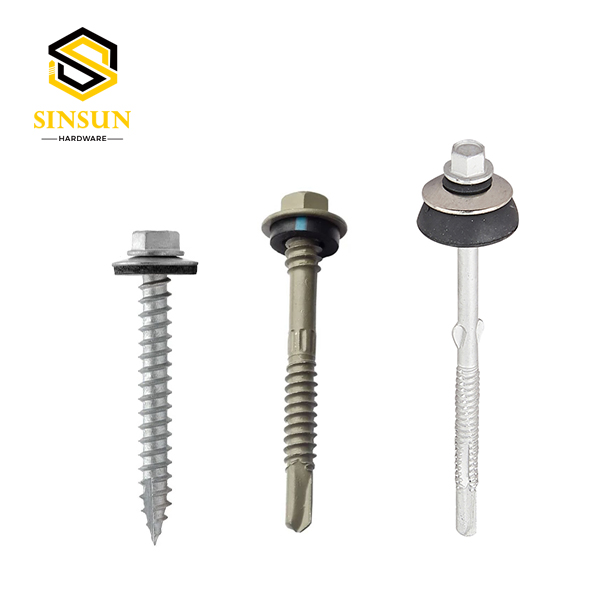
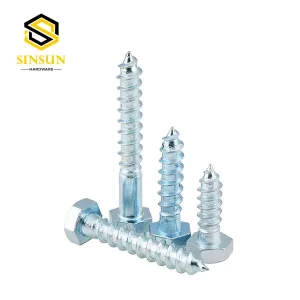
Self Tapping Metal Roofing Screws With Rubber washer
03
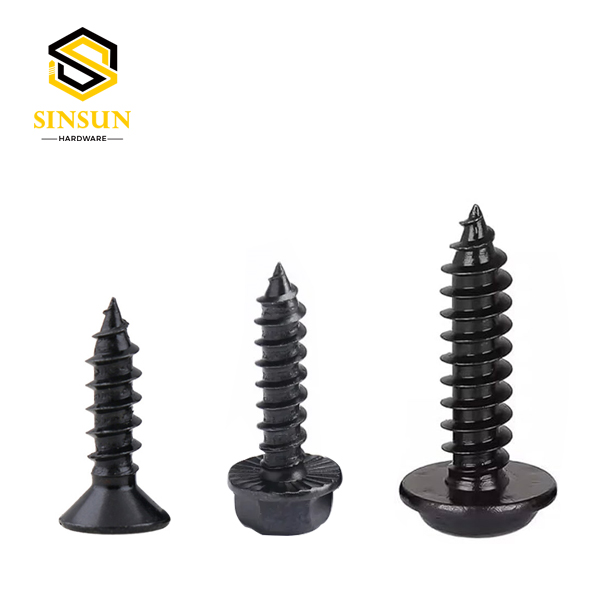
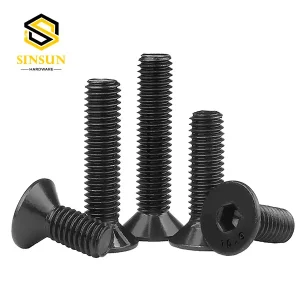
Black self tapping screws
04
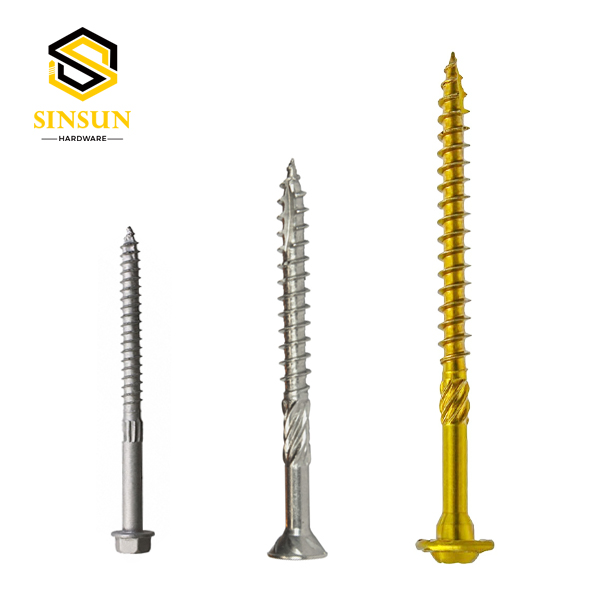
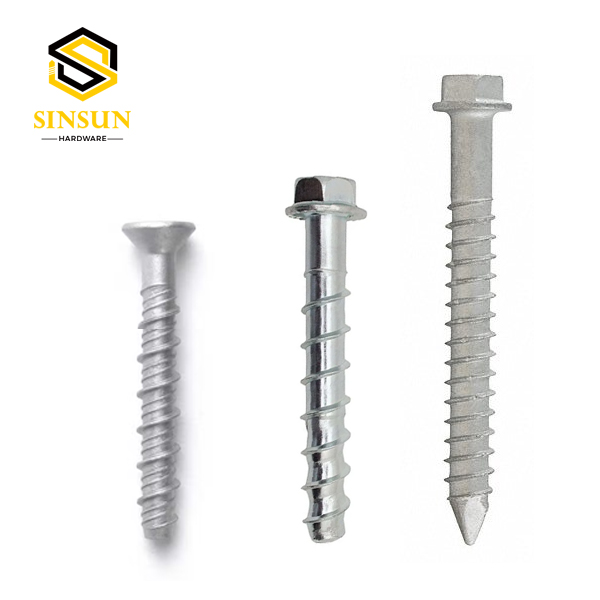
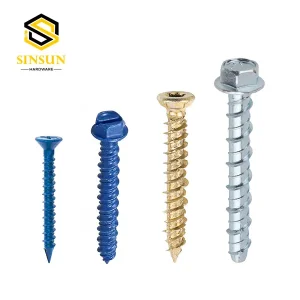
Stainless Steel Concrete Screws
05
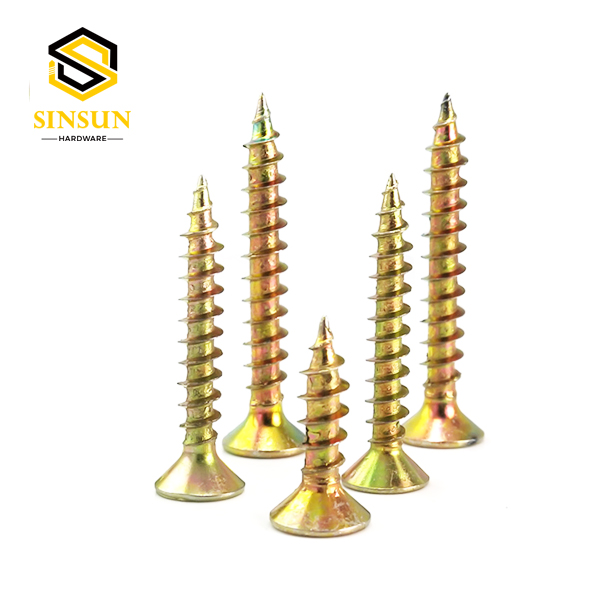
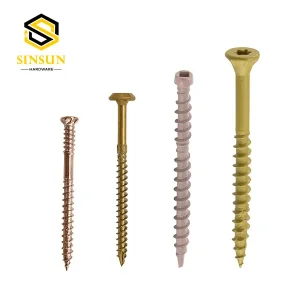
Chipboard Screws
06
Steel Roof Screws
Frequently Asked Questions
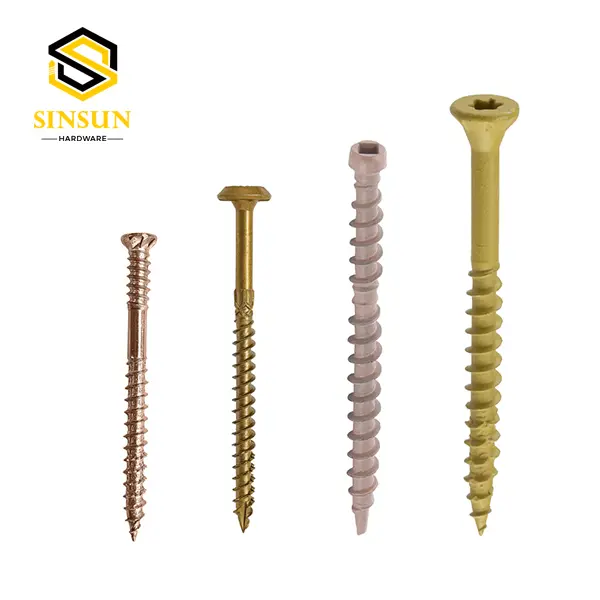
What are the primary applications of structural screws?
Structural screws are heavy-duty fasteners designed for load-bearing wood-to-wood or wood-to-metal connections. They are commonly used in deck construction, timber framing, and building support structures where high shear and tensile strength are required.
Why do metal roofing screws need a rubber washer?
The rubber washer (typically EPDM) creates a watertight seal when compressed against the metal roofing panel. This prevents rainwater and moisture from seeping through the screw hole, protecting the underlying structure from rot and rust.
Can concrete screws be installed without pre-drilling?
No, concrete screws require a pre-drilled pilot hole of a specific diameter and depth. Pre-drilling allows the threads of the concrete screw to tap directly into the masonry material for a secure, tight hold.
What is the advantage of using chipboard screws?
Chipboard screws feature thin shafts and coarse threads, making them ideal for fastening low-density materials like particleboard, MDF, and softwoods. They offer excellent grip and reduce the risk of splitting the material without requiring pilot holes in most soft woods.
What makes self-tapping screws different from standard wood screws?
Self-tapping screws have a specialized tip or thread design that allows them to cut their own mating threads into materials like sheet metal, plastic, or wood as they are driven, eliminating the need for tapping the hole beforehand.