1 / 1

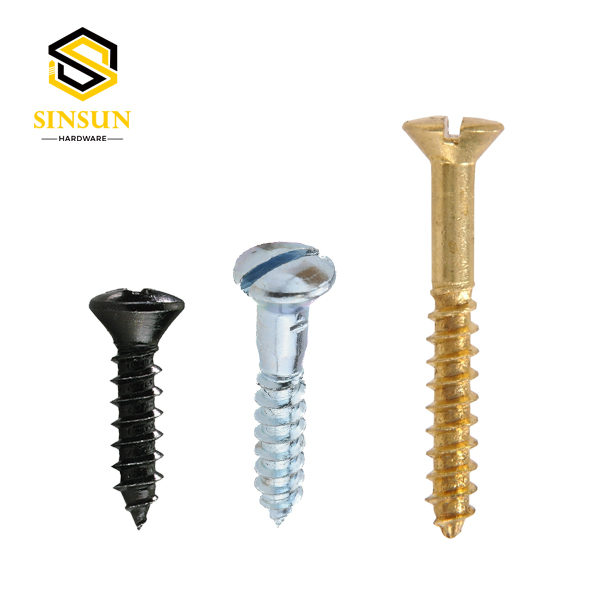
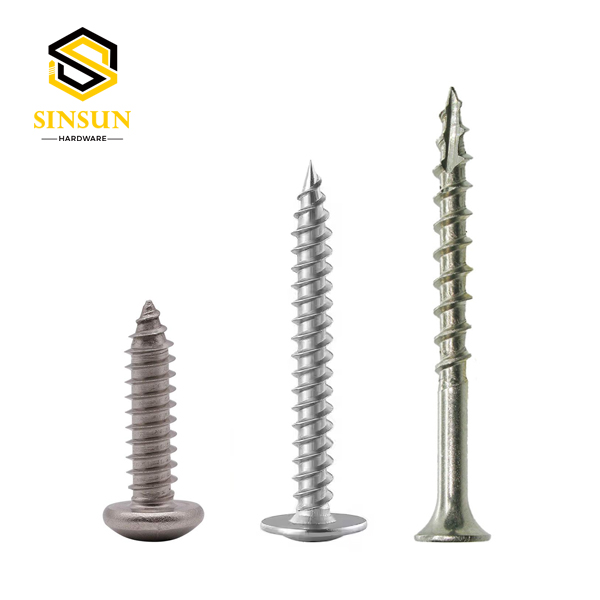
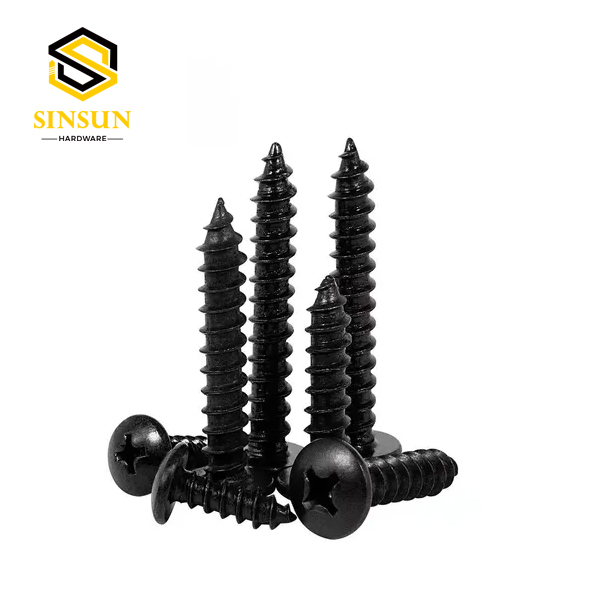
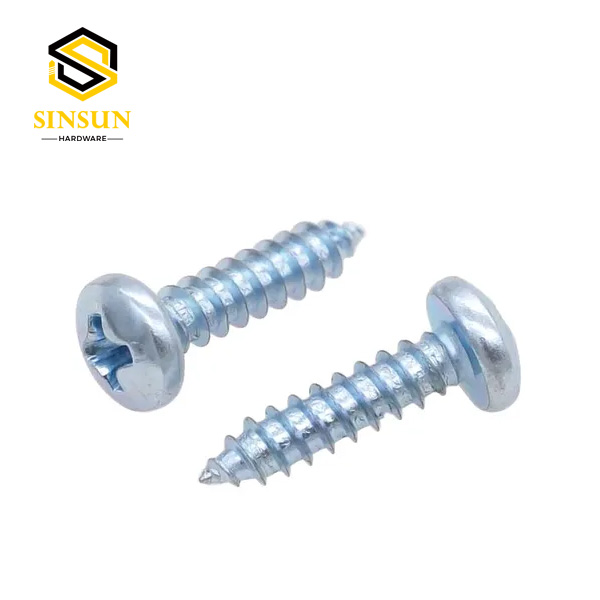
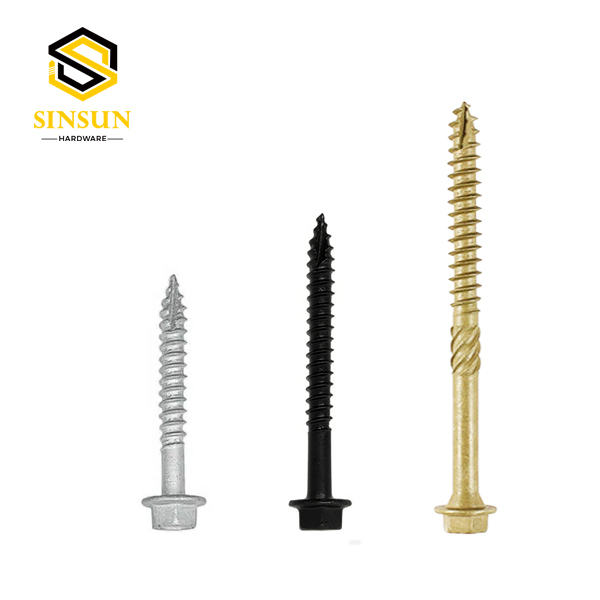
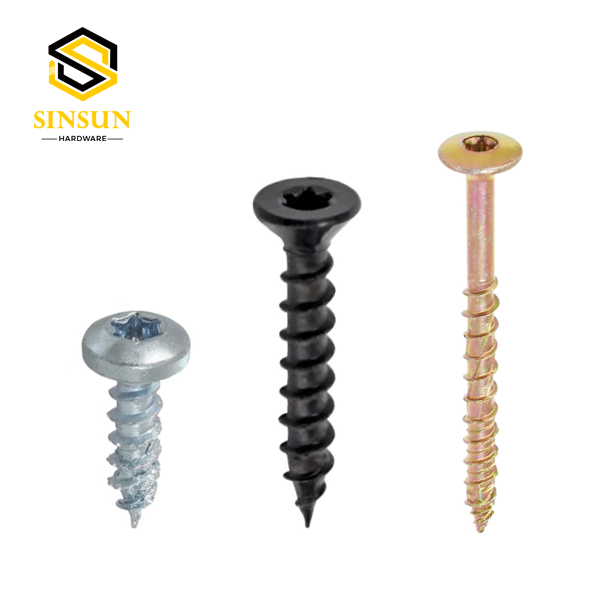
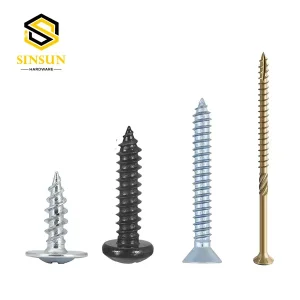
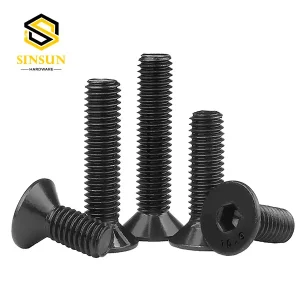
Different head styles serve specific aesthetic and structural purposes. Flat and oval heads sit flush with or just below the wood surface, making them ideal for hinges and visible joinery. Round and pan heads protrude above the surface, offering greater clamping surface area, while hex heads are designed for high-torque structural applications.
Stainless steel wood screws offer exceptional corrosion resistance, making them crucial for outdoor projects, coastal environments, and preservative-treated lumber. They prevent rust staining and structural degradation over time.
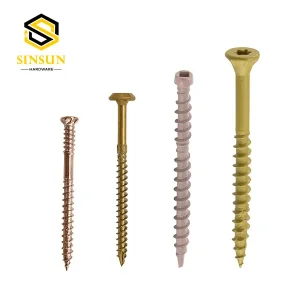
Torx or star drive screws feature a six-point contact design that significantly reduces driver slippage (cam-out). This allows for higher torque transmission, less wear on the bit, and a much smoother driving experience, especially in hardwood.
While some modern wood screws feature self-tapping points, drilling a pilot hole is highly recommended, especially when working with hardwood or near the edges of a board. Pilot holes prevent the wood from splitting and ensure the screw drives straight.
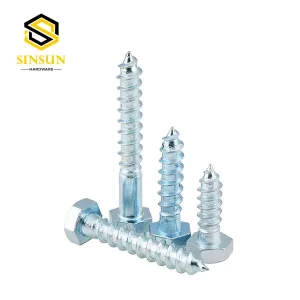
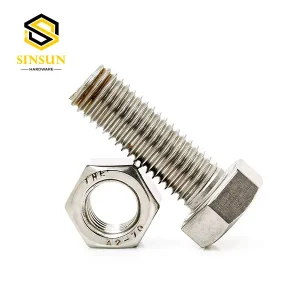
Hex head wood screws (often referred to as lag screws) are preferred for heavy-duty structural wood connections, such as framing, deck construction, and timber work, where maximum torque and holding power are required using a socket wrench.