What is the difference between wood screws and self-tapping screws?
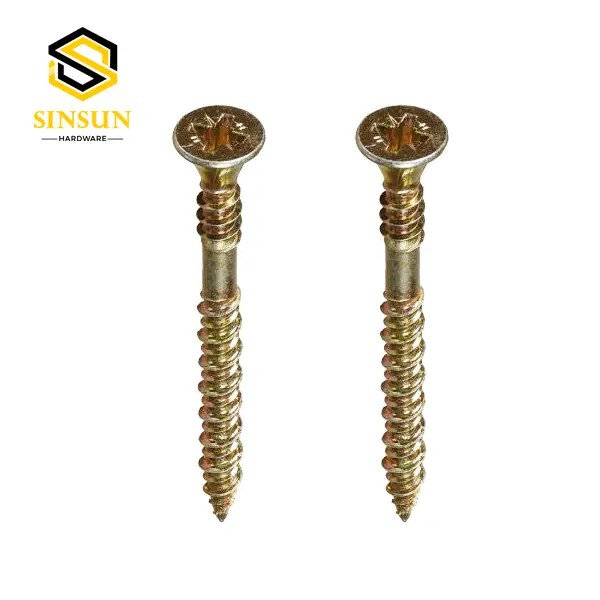
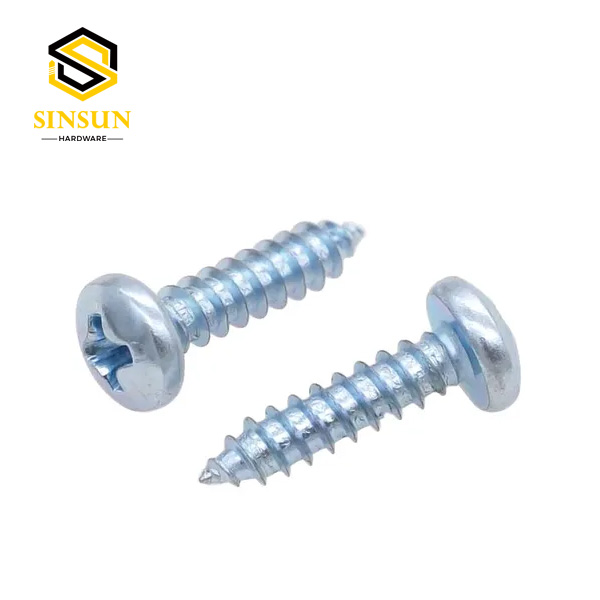
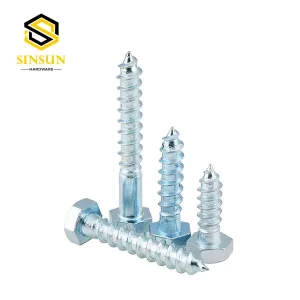
Wood screws typically have an unthreaded smooth shank below the head and coarse threads designed to grip wood fibers tightly. Self-tapping screws have continuous threads along their entire length and are engineered to cut their own threads in harder materials like metal or plastic.
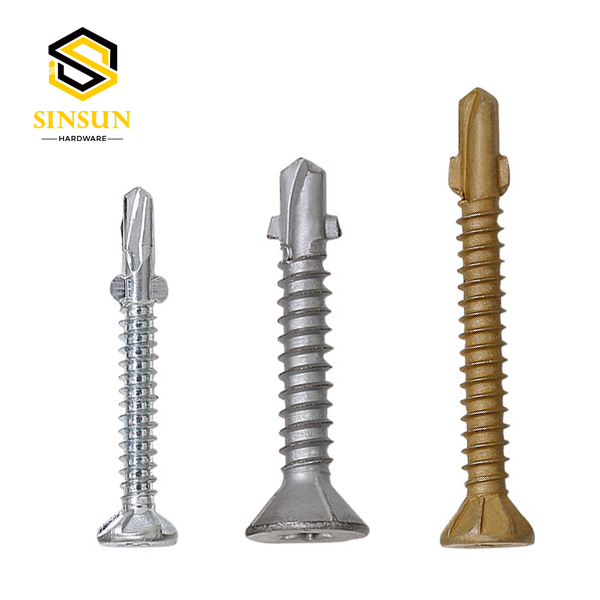
Can I use self-drilling wood screws without pre-drilling pilot holes?
Yes. Self-drilling wood screws are designed with a specialized point resembling a drill bit. This point drills a hole and clears out wood chips simultaneously, allowing for fast, direct installation without pre-drilling.
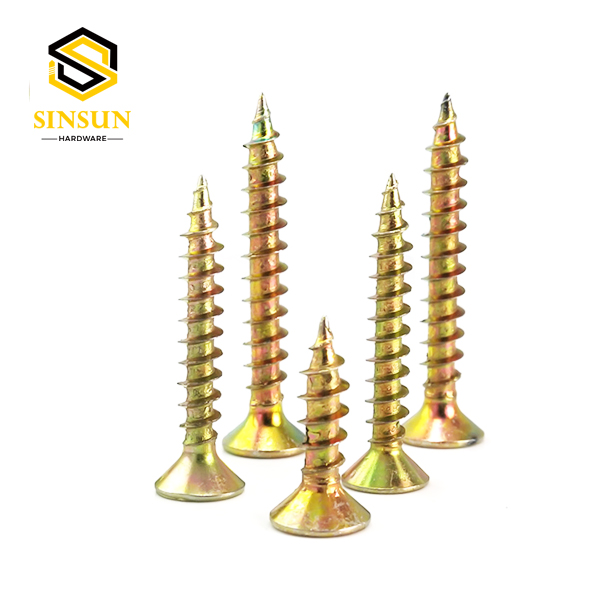
What are chipboard screws specifically designed for?
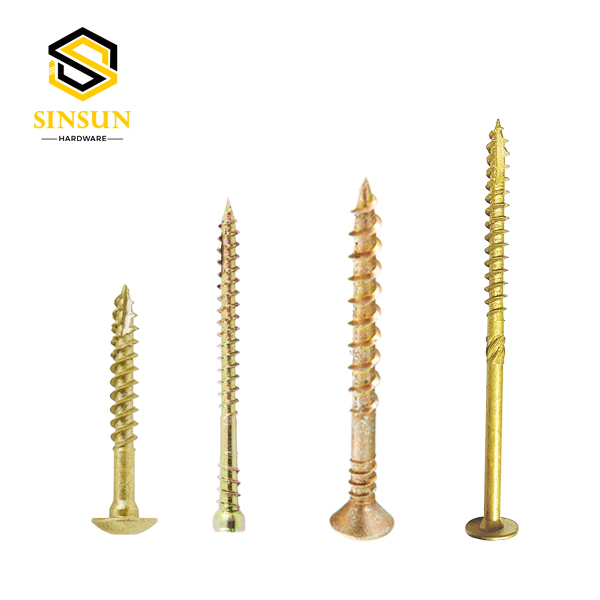
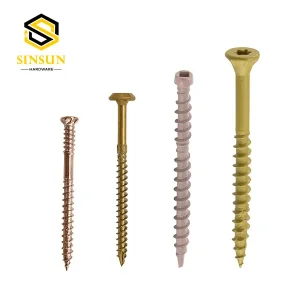
Chipboard screws feature thin shanks and deep, sharp threads. They are optimized for man-made composite materials such as chipboard, particleboard, MDF, and plywood, preventing splitting or crumbling during assembly.
Why should I choose square head wood screws over star or phillips drives?
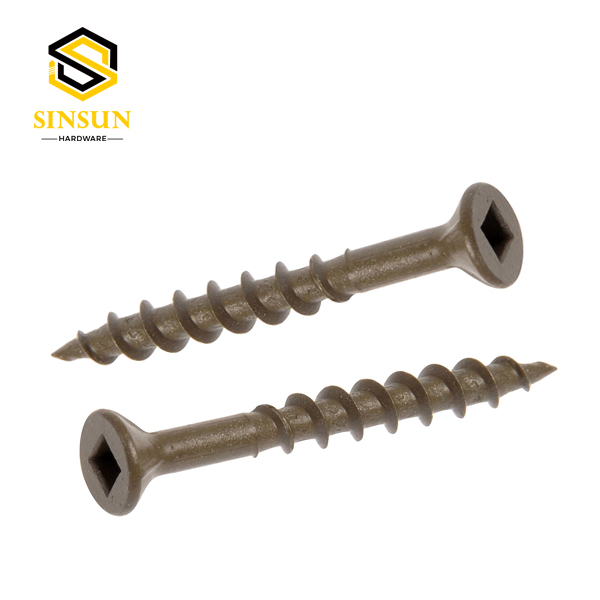
Square head wood screws (also known as Robertson drive screws) offer exceptional torque handling and virtually eliminate drive slippage (cam-out). They are highly favored in construction and heavy-duty woodworking for secure, fast installations.
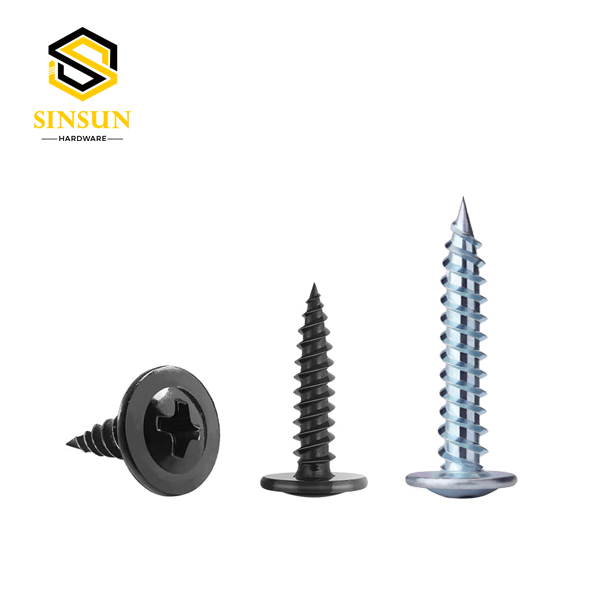
What is the advantage of using a truss head wood screw?
Truss head screws feature a wider, low-profile rounded dome top. This broad bearing surface distributes clamping pressure over a wider area, preventing thin or soft materials from tearing through the screw head.
How do I choose the correct screw size for my woodworking project?
As a general rule, the screw length should be 2.5 to 3 times the thickness of the board you are fastening. Make sure the thread engages at least two-thirds of the thickness of the receiving support material for maximum holding power.