1 / 1

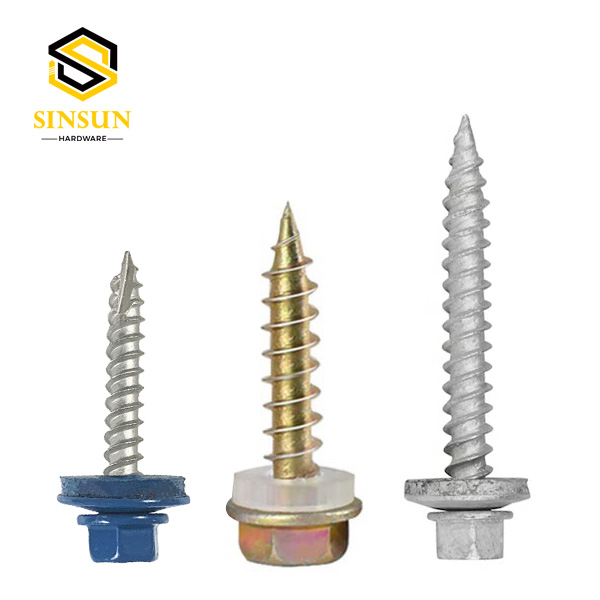
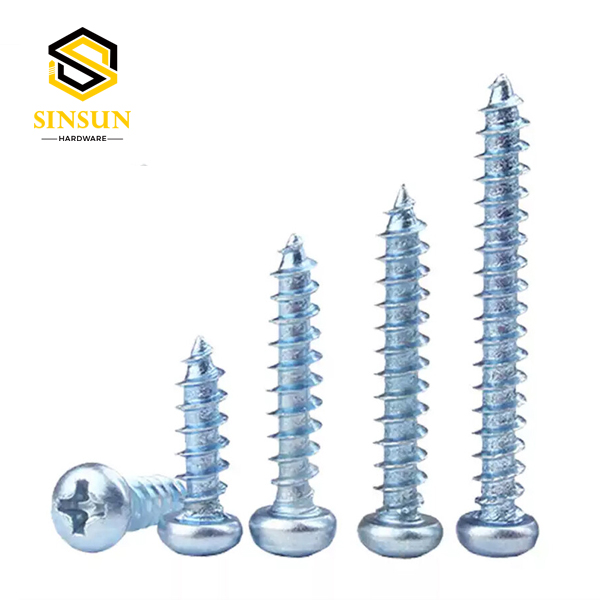
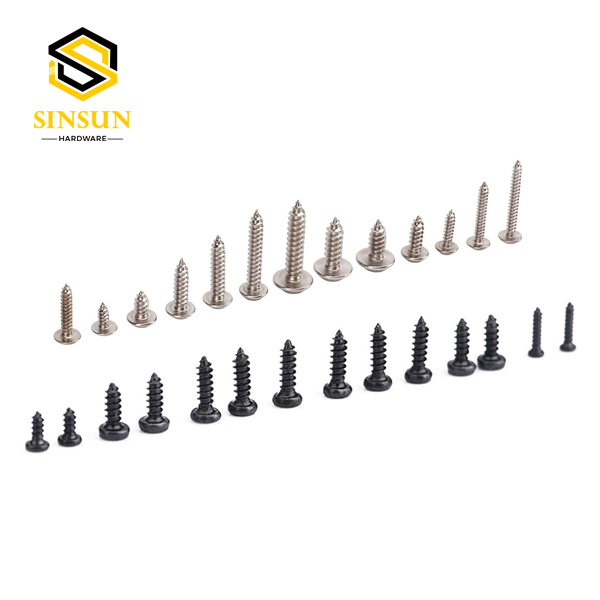
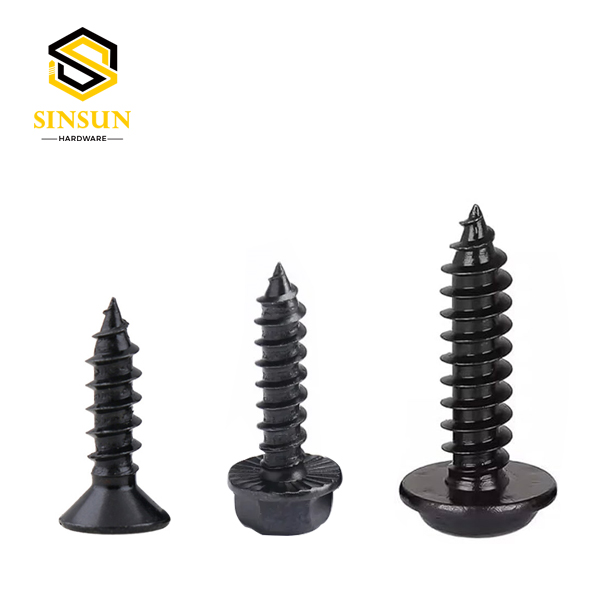
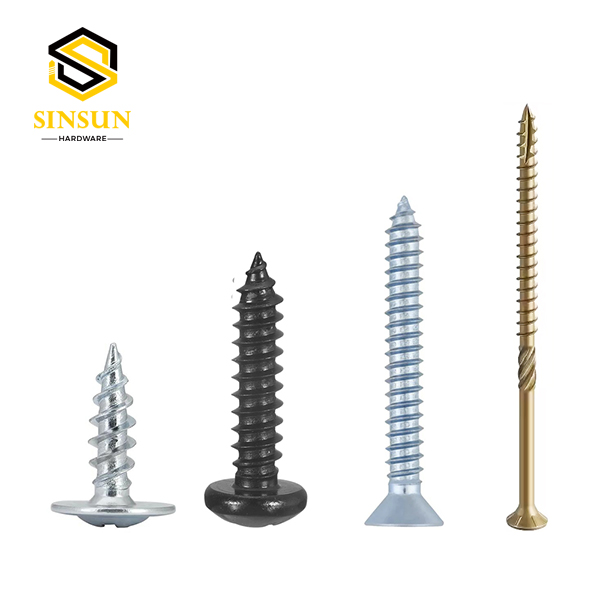
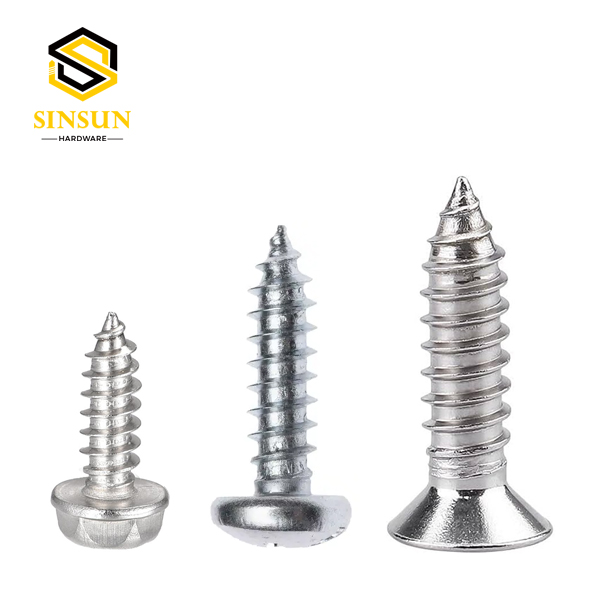
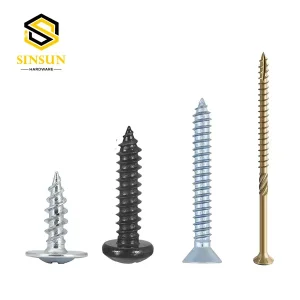
Self-tapping screws are designed to tap their own threads into a pre-drilled pilot hole. Self-drilling screws, on the other hand, feature a tip shaped like a drill bit, allowing them to drill their own hole and tap their own threads in a single operation without pre-drilling.
The rubber washer (usually EPDM) provides a watertight seal when compressed against metal sheets. This prevents water from seeping into the screw hole, protecting the building interior and the screw itself from rust and corrosion.
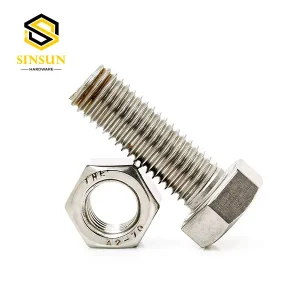
Yes, stainless steel self-tapping screws are ideal for metal applications. They offer excellent corrosion resistance and strength. For hard metals, it is recommended to drill a pilot hole matching the root diameter of the screw before installation.
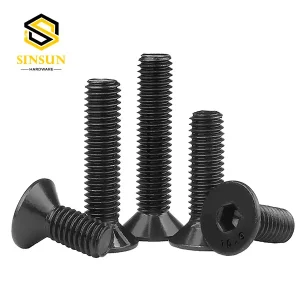
Black self-tapping screws are typically treated with black phosphate or black oxide coating. This treatment offers moderate corrosion resistance and provides an aesthetically pleasing, matte black finish that blends seamlessly with dark materials or hardware.
The pilot hole diameter should generally be slightly larger than the root (inner) diameter of the screw thread, but smaller than the outer thread diameter. This allows the threads to securely grip and cut into the material without cracking it.
While they can be backed out and re-screwed, reusing self-tapping screws in the same hole may result in a looser fit because the threads in the host material are already cut. For structural or high-load applications, using a new screw is highly recommended.