1 / 1

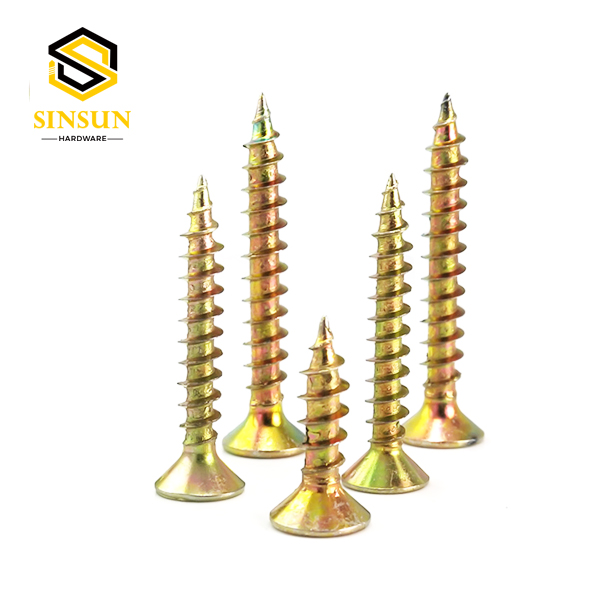
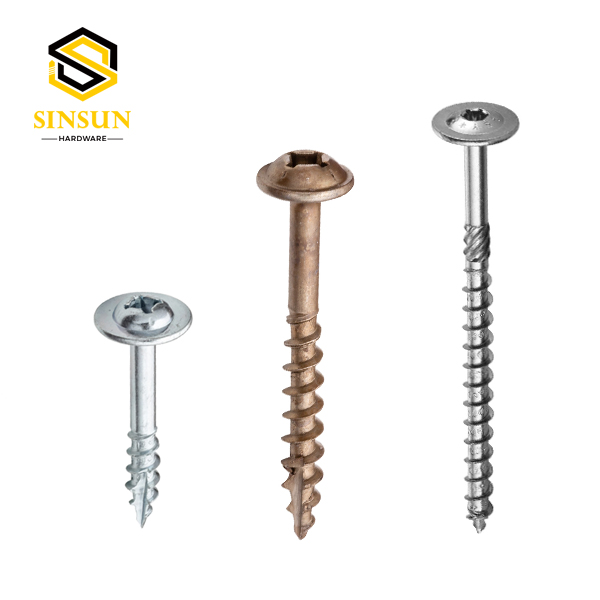
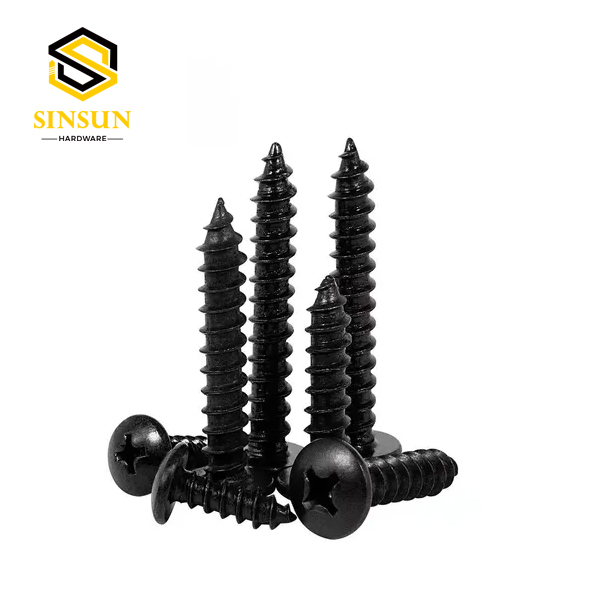
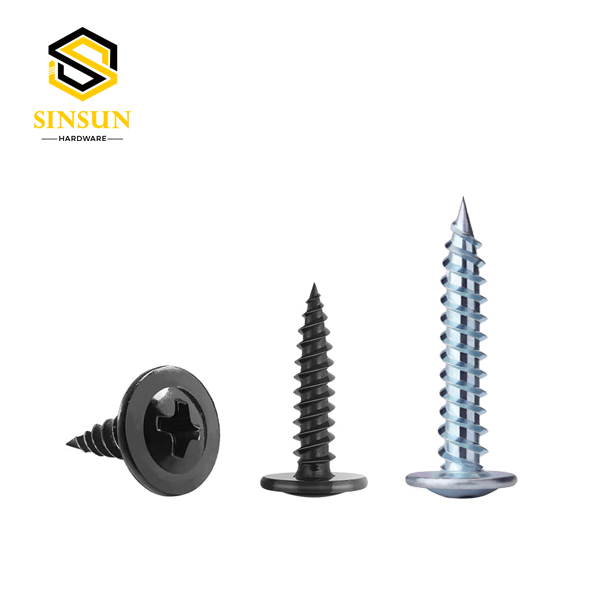
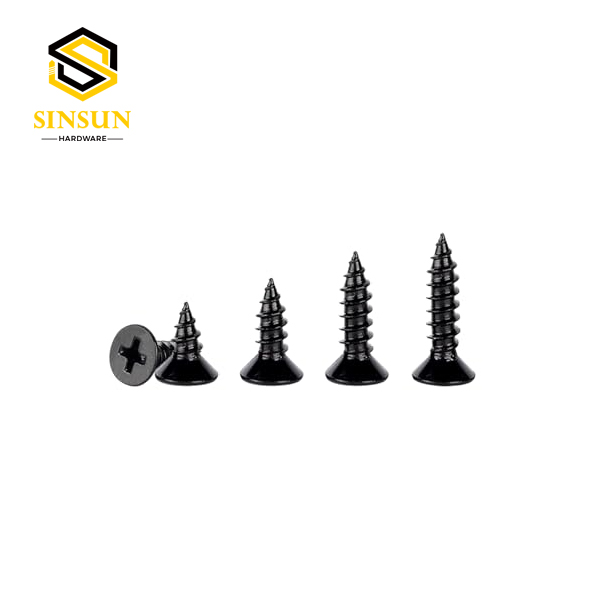
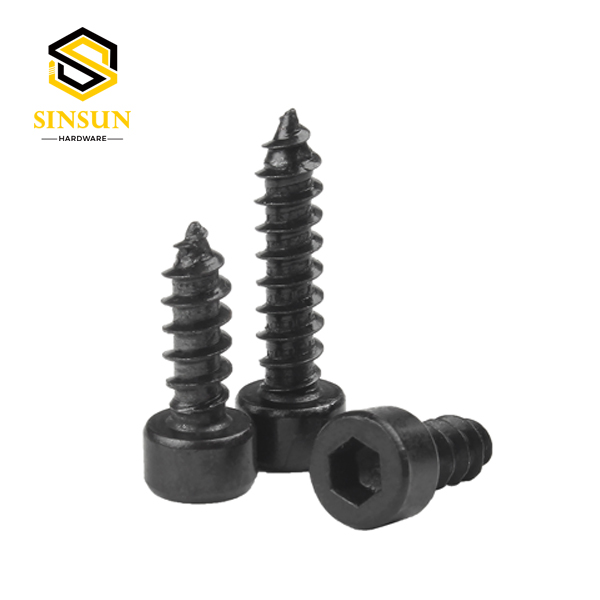
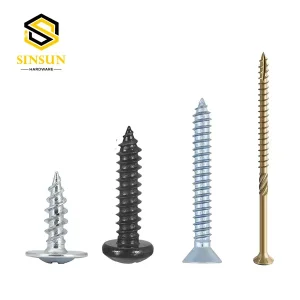
Chipboard screws feature a continuous thread running from the tip to the head, making them ideal for man-made materials like chipboard, MDF, and softwoods. Traditional wood screws usually have an unthreaded shank below the head to draw two pieces of solid wood tightly together.
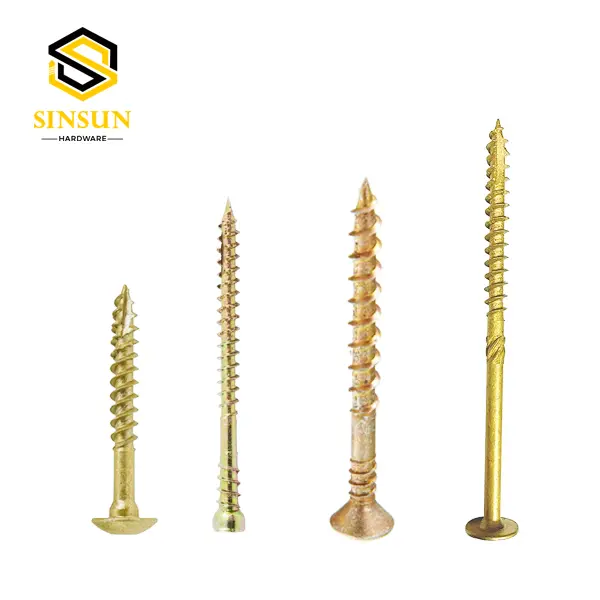
Washer head wood screws are designed with a built-in washer at the base of the head. This provides a larger surface area to prevent the screw from sinking too deeply into soft woods, making them excellent for securing cabinet backings and pocket-hole joints.
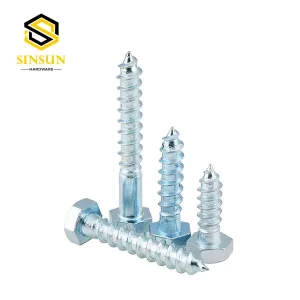
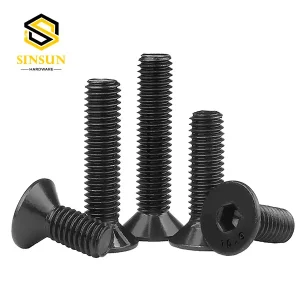
Socket head wood screws utilize a hexagonal drive mechanism which allows for higher torque application with minimal risk of cam-out (slipping). They are highly preferred for structural framing and heavy-duty timber construction.
Yes, drilling pilot holes is highly recommended, especially when working near edges or with dense hardwoods. Pre-drilling prevents the wood from splitting and ensures the round or truss heads sit flush and neat against the surface.
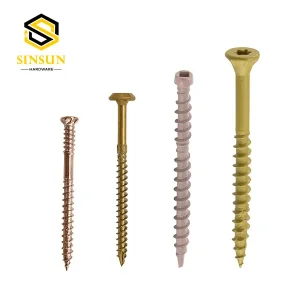
Small wood screws are ideal for delicate woodworking projects, installing hardware like small hinges, drawer slides, box latches, and general model making where precision and low profiles are required.