1 / 1

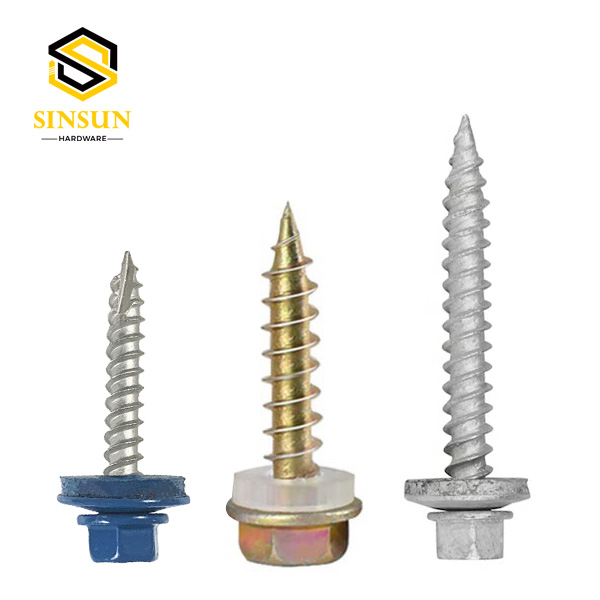
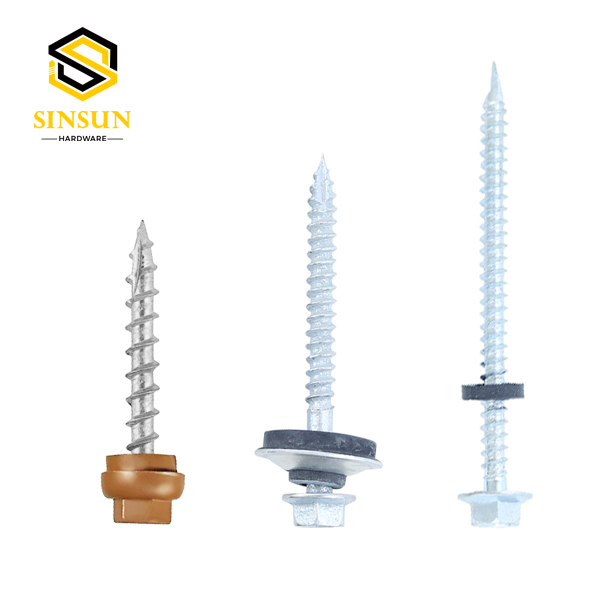
The rubber washer (usually EPDM) creates a tight, waterproof seal when compressed against the metal roofing panels. This prevents rainwater and moisture from leaking through the screw hole, protecting the underlying structure from water damage.
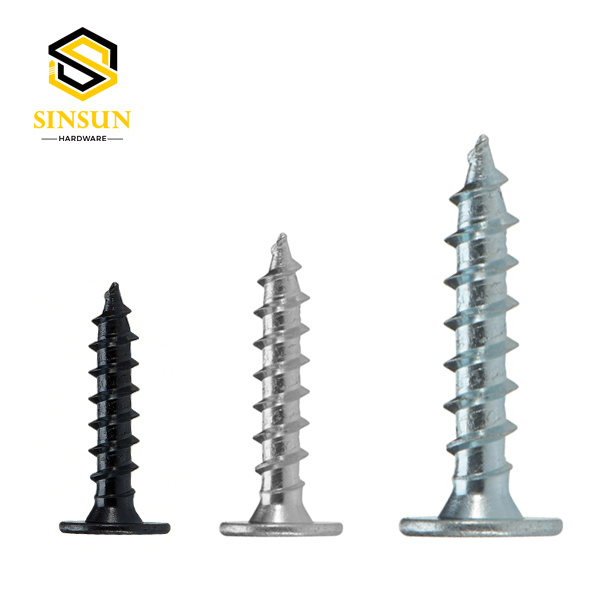
Yes, self-tapping screws typically require a pre-drilled pilot hole before installation. They are designed to tap their own threads into the material as they are driven in, whereas self-drilling screws can drill their own hole and tap threads in a single operation.
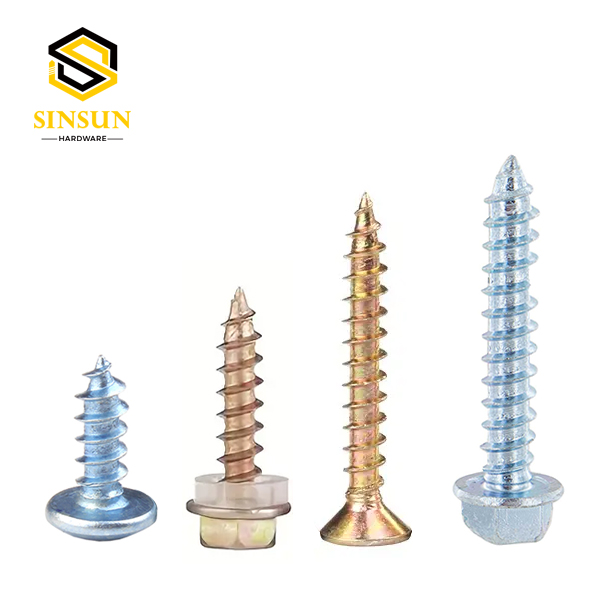
Stainless steel self-tapping screws offer superior corrosion resistance and are ideal for outdoor, marine, or highly corrosive environments. Galvanized screws also offer good rust protection but are typically better suited for general construction and drier environments.
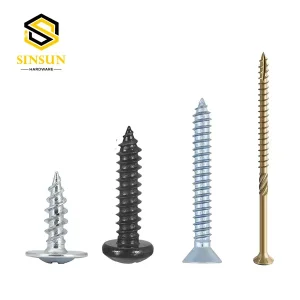
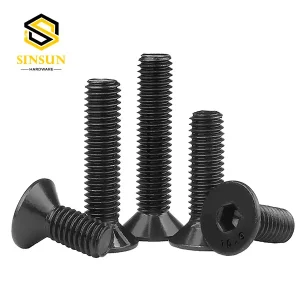
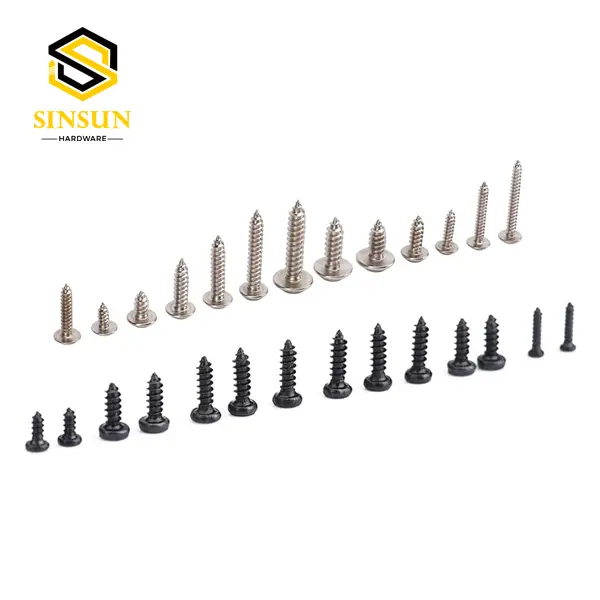
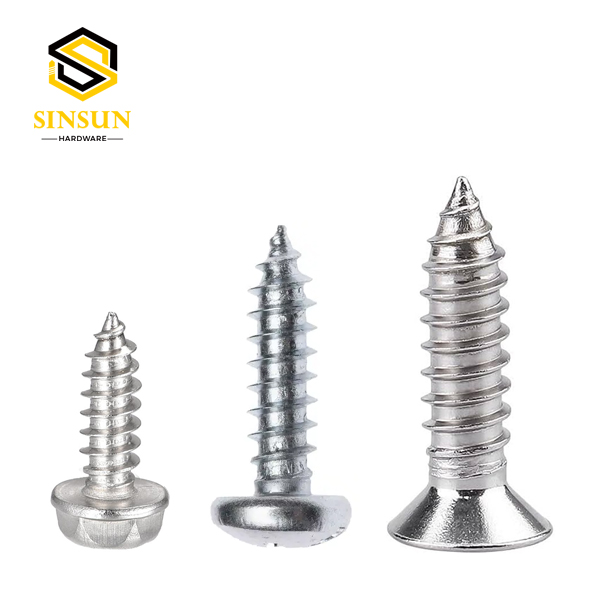
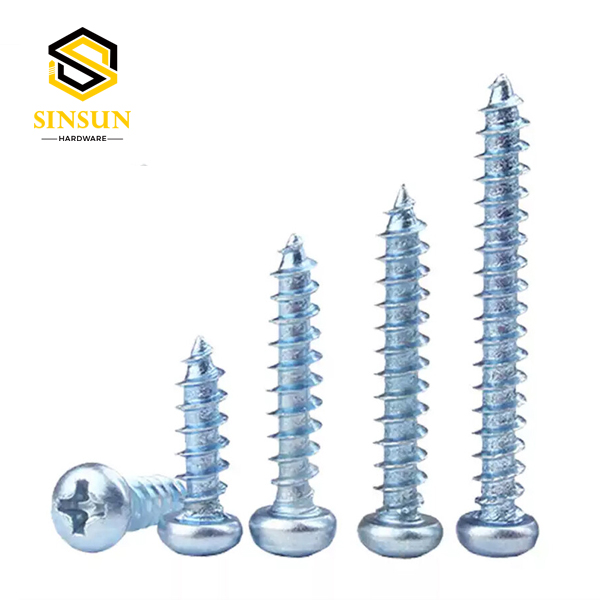
Flat head self-tapping screws are designed to sit flush with the material surface, making them perfect for applications where a smooth finish is required. Pan head screws have a slightly rounded head that sits above the material surface, providing a larger clamping surface area.
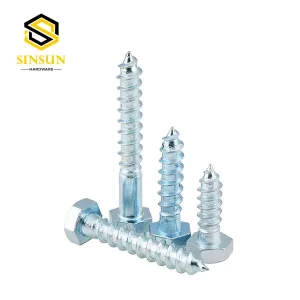
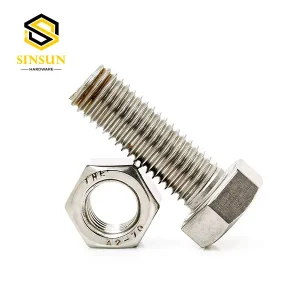
Yes, hexagon head self-tapping screws are ideal for heavy-duty metal-to-metal or metal-to-wood fastening. The hex head design allows for a higher torque transfer when using a socket or nut setter, reducing the risk of slippage or cam-out during installation.