1 / 1

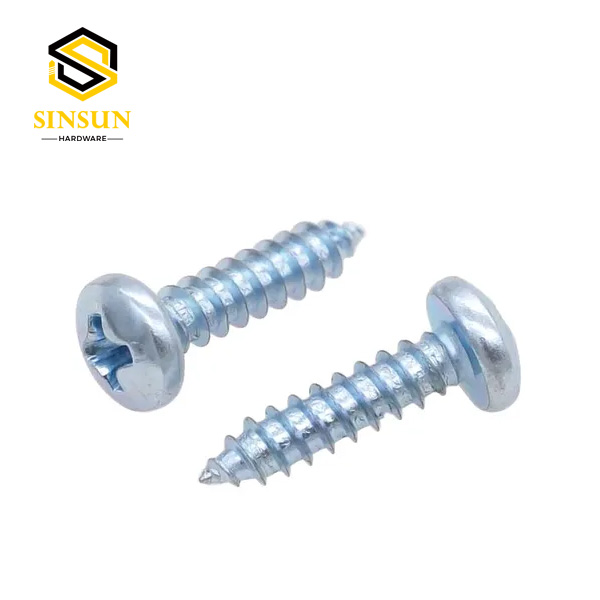
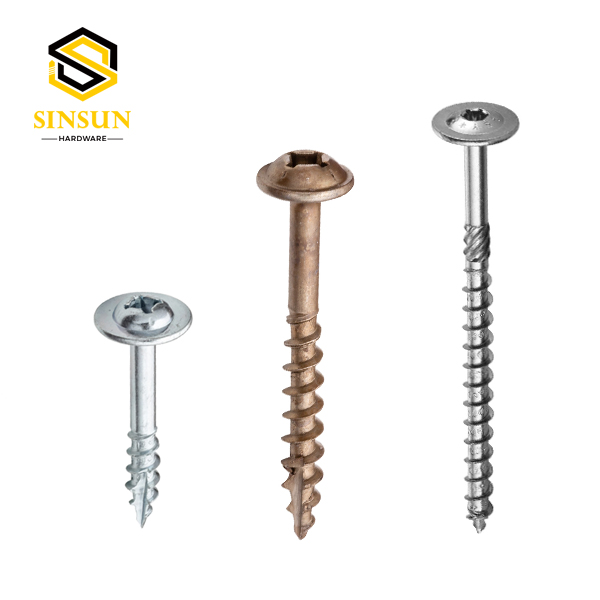
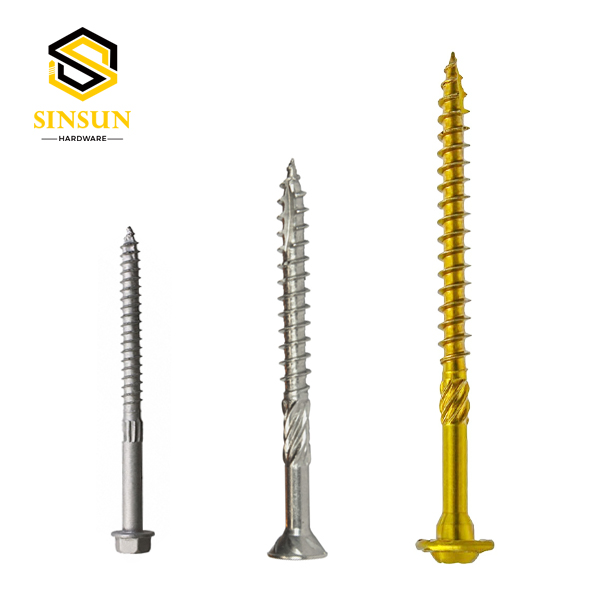
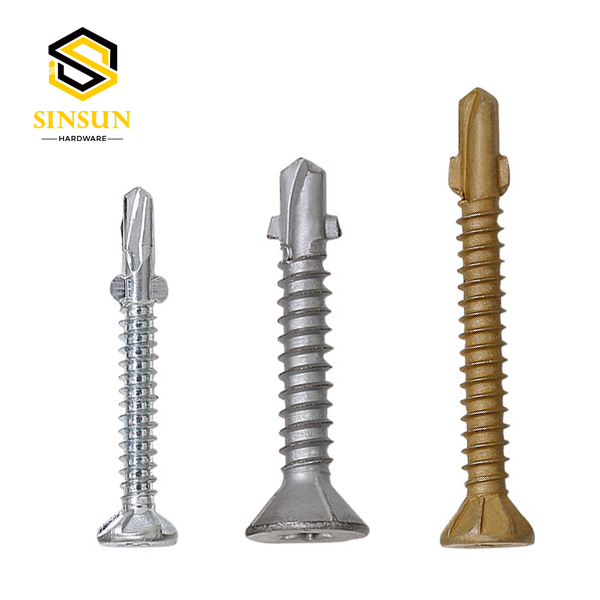
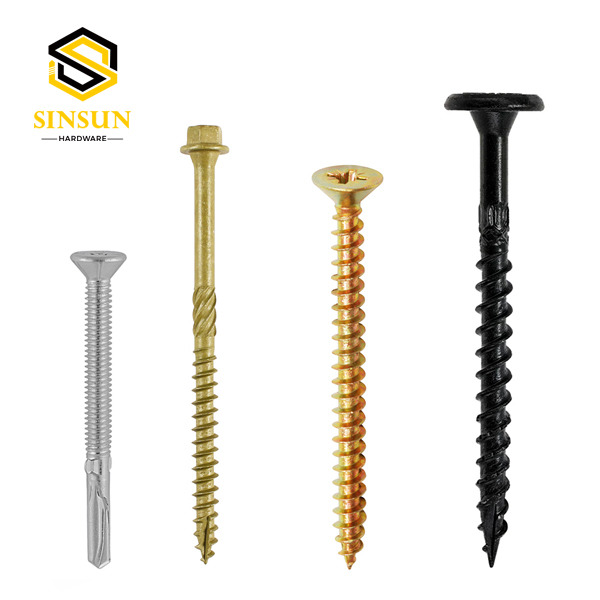
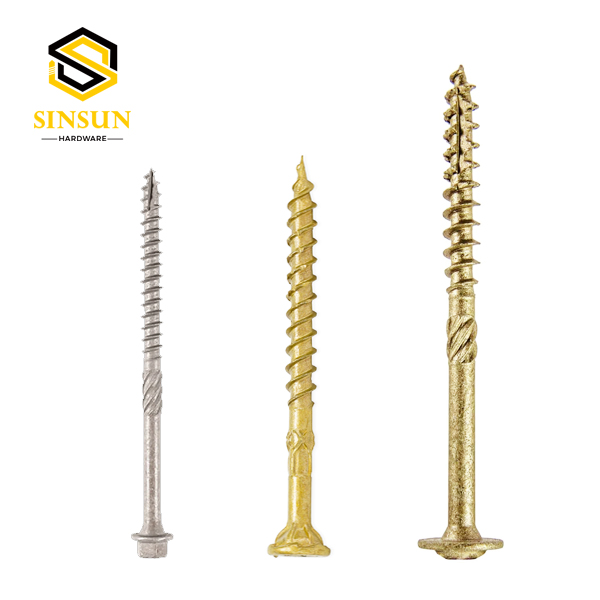
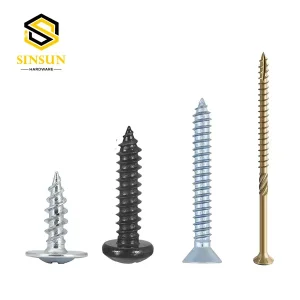
Pan head screws feature a slightly rounded top with flat vertical sides, ideal for general fastening where a flat underside is needed. Washer head screws have a built-in washer design under the head, providing a larger surface area that prevents the screw from sinking too deep or pulling through softer wood materials.
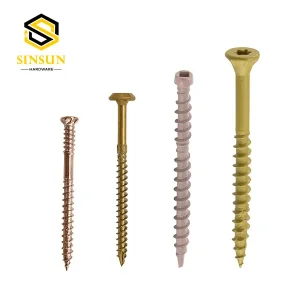
Structural screws are engineered for heavy-duty load-bearing applications, such as framing, deck construction, and timber-to-timber connections. They offer higher shear strength and are typically heat-treated to prevent snapping under high stress.
Generally, no. Self-drilling wood screws are designed with a drill-point tip that carves its own hole as it is driven into the material. This saves installation time, although pre-drilling is still recommended near the edges of hardwood to prevent splitting.
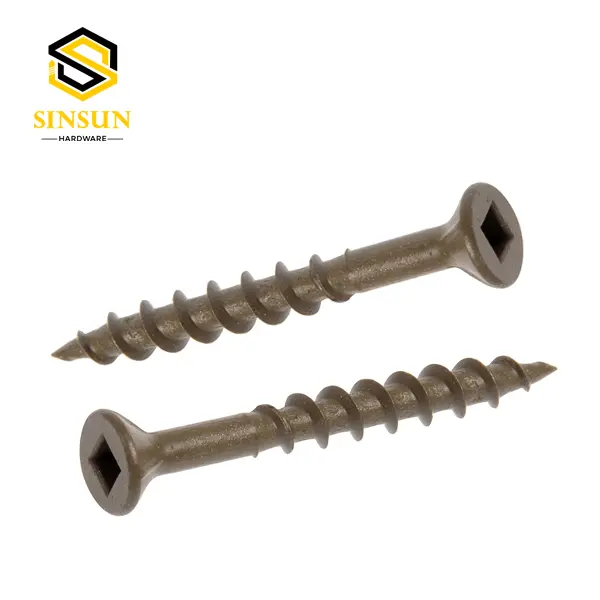
Exterior wood screws are coated with corrosion-resistant finishes (such as ceramic, epoxy, or zinc alloys) or manufactured from stainless steel. This protects them from rust and degradation caused by weather elements and moisture.
As a general rule, the screw should penetrate at least half the thickness of the bottom material it is fastening into. For optimal grip, the thread length in the receiving piece of wood should ideally be at least 1 to 1.5 times the thickness of the top board.