1 / 1

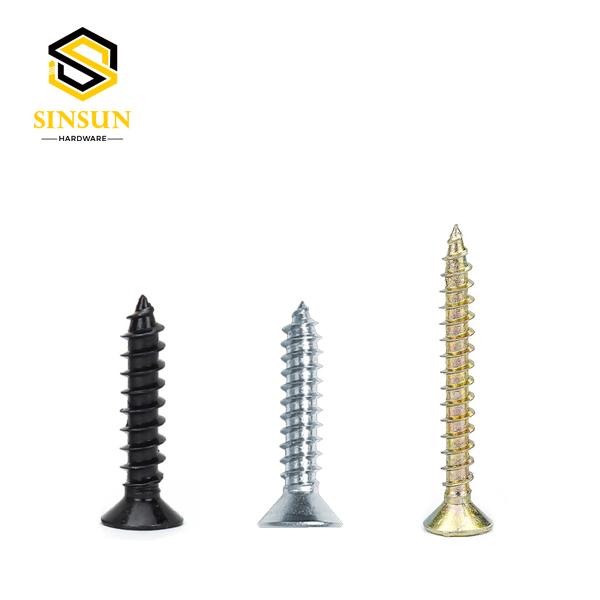
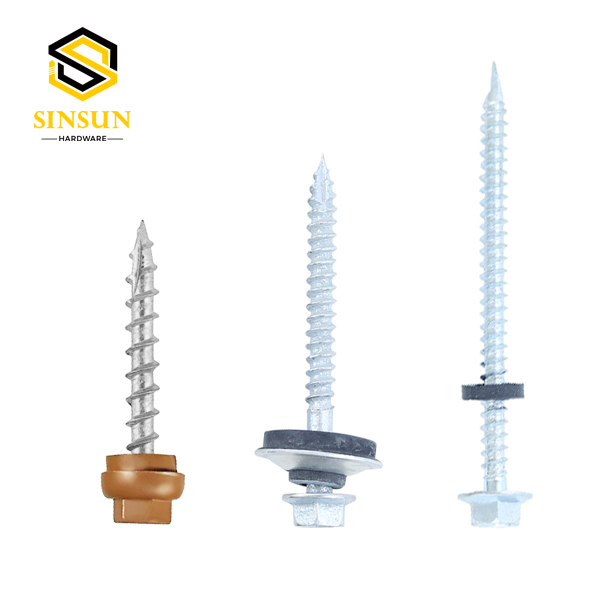
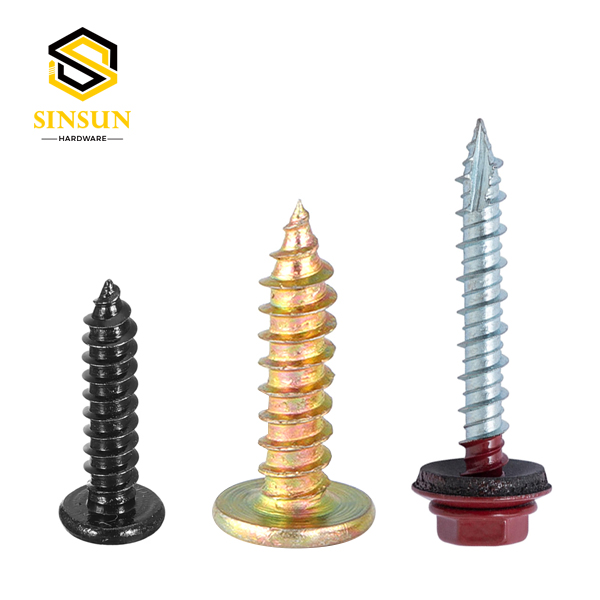
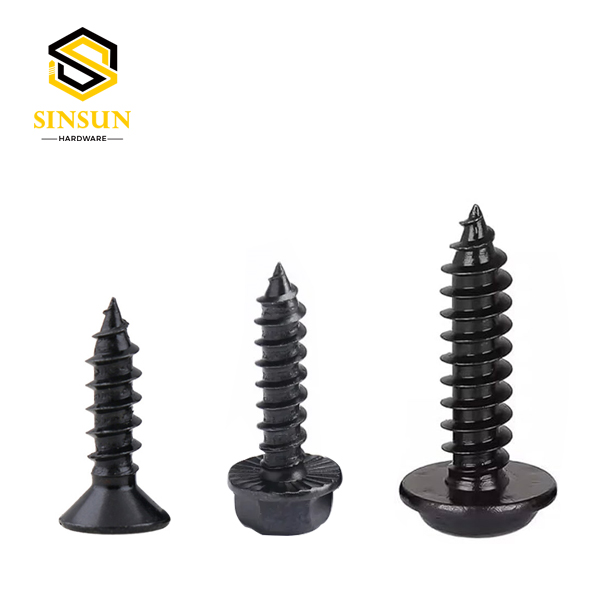
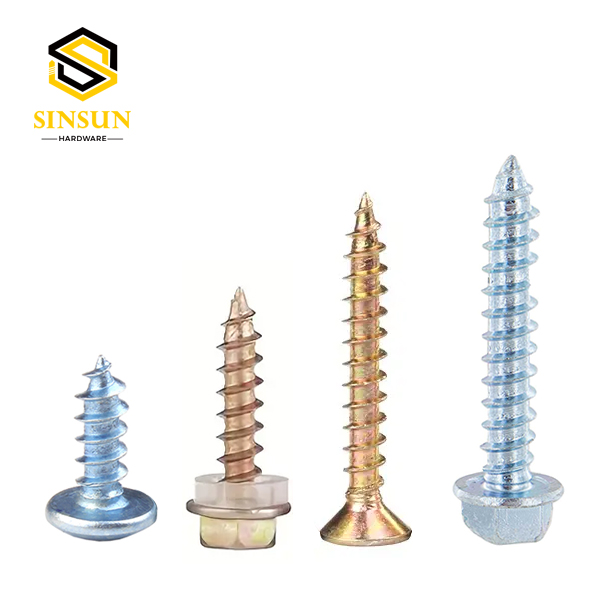
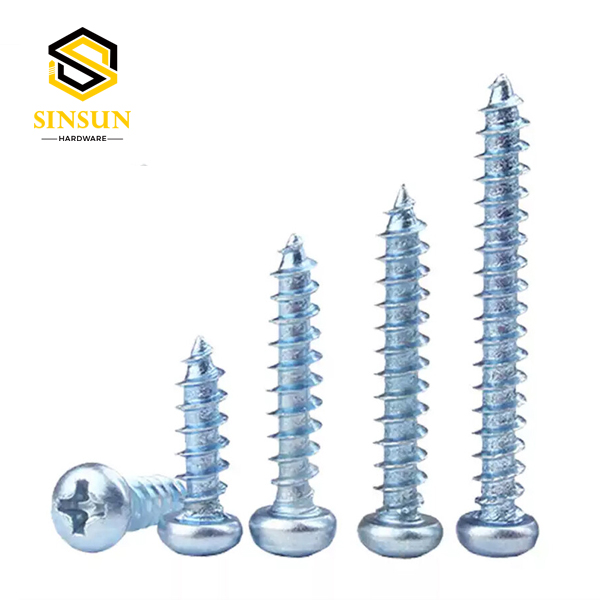
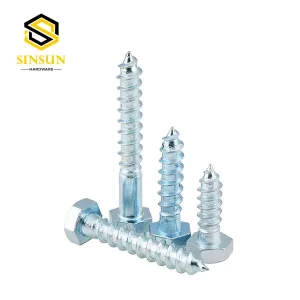
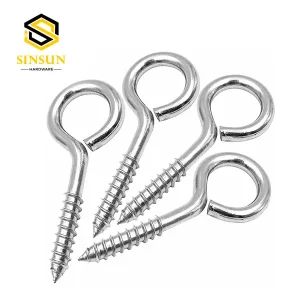
Self-tapping screws are commonly used to secure wood, plastic, metal, and brick together. They work by tapping their own thread as they are driven into the material, creating a tight and secure fit without requiring pre-tapped threads.
Yes, in most cases, self-tapping screws require a pre-drilled pilot hole. The size of the pilot hole should be slightly smaller than the outer diameter of the screw threads to allow the threads to catch and cut into the material effectively.
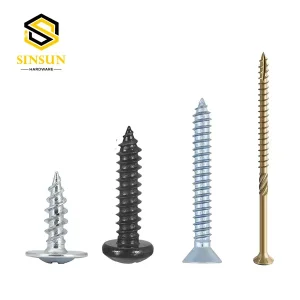
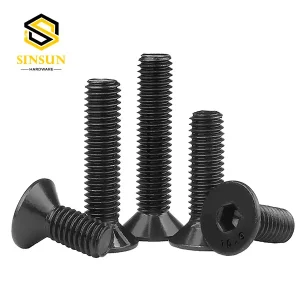
Countersunk head screws are designed to sit flush with or below the surface of the material, which is ideal for a smooth finish. Pan head screws have a slightly rounded top with flat sides that sit above the material surface, providing a wider clamping area.
Galvanized self-tapping screws offer excellent corrosion resistance, making them ideal for outdoor or high-moisture environments. Black self-tapping screws, often coated with black phosphate or oxide, provide moderate rust resistance and are preferred for aesthetic integration in dark materials.
Yes, they can be reused, but they may not hold as tightly in the original hole upon reinsertion because the threads cut into the material can wear down. For structural or high-load applications, using a new screw is recommended.