1 / 1

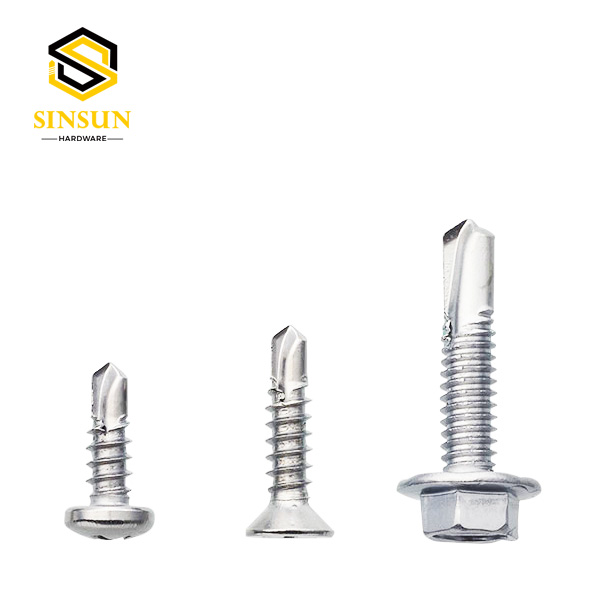
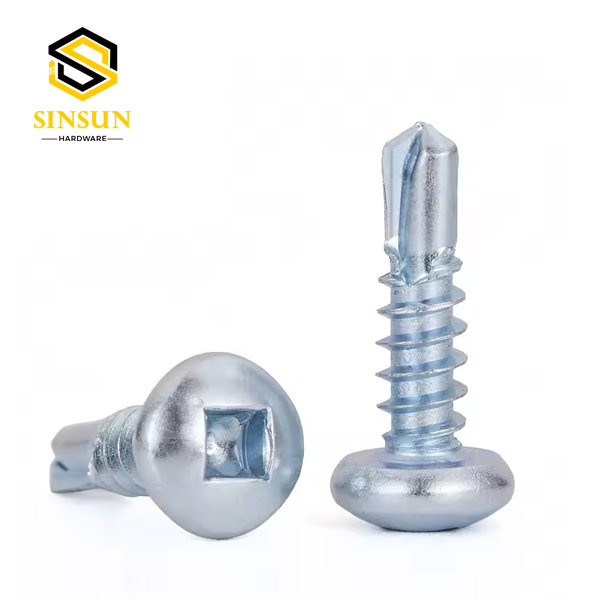
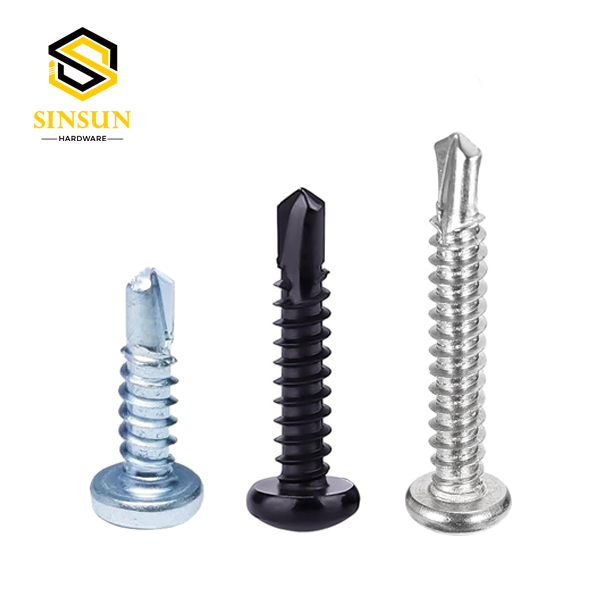
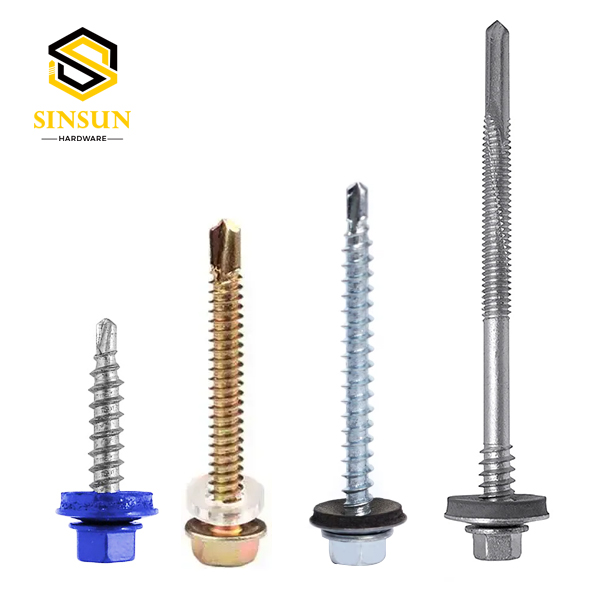
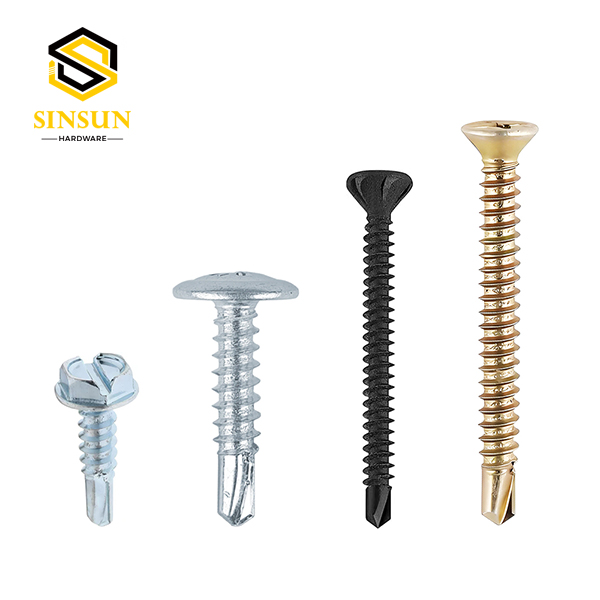
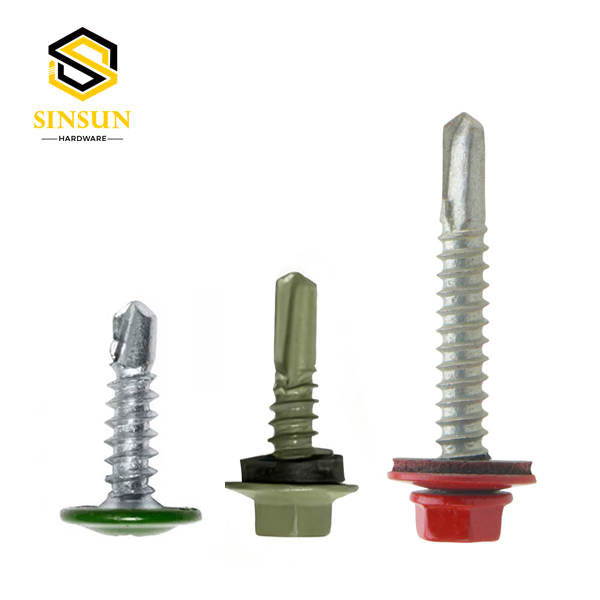
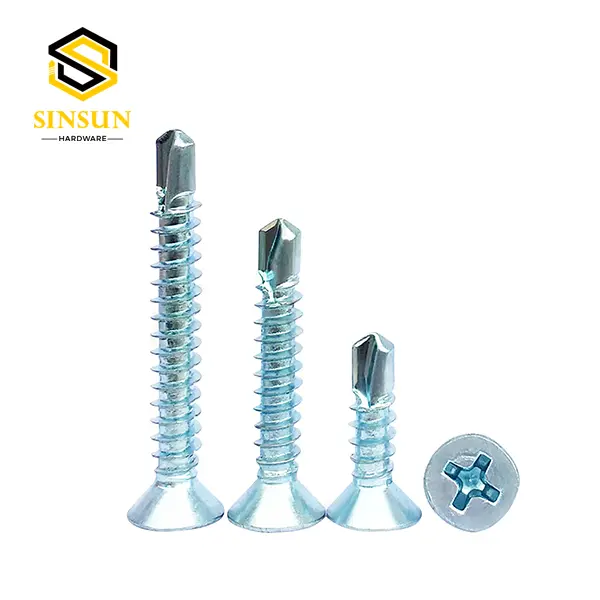
Self-drilling screws are fasteners designed with a drill-shaped point. This specialized tip allows them to drill their own pilot hole, tap threads, and fasten materials together in a single, efficient operation.
While they can be used in wood, they are primarily designed for metal-to-metal and metal-to-wood applications. When used purely in wood, the drill tip may clear out wood fibers instead of grabbing them, which might reduce holding power compared to standard wood screws.
No, you do not need to pre-drill a pilot hole. The drill point at the tip of the screw functions just like a drill bit, cutting through sheet metal and other materials automatically during installation.
The main difference is the tip. Self-drilling screws have a tip shaped like a drill bit and can drill their own hole. Self-tapping screws typically have a pointed or flat tip and require a pre-drilled pilot hole, though they can tap their own threads once inserted.
They are commonly manufactured from carbon steel (often zinc-plated for corrosion resistance) or stainless steel. Stainless steel options provide superior rust and corrosion protection, making them ideal for outdoor and marine environments.
Selection depends on the thickness of the metal you are drilling. Screws have different "point numbers" (usually #1 to #5) indicating the thickness of steel they can penetrate. Ensure the drill point is longer than the total thickness of the material you intend to drill through.