1 / 1

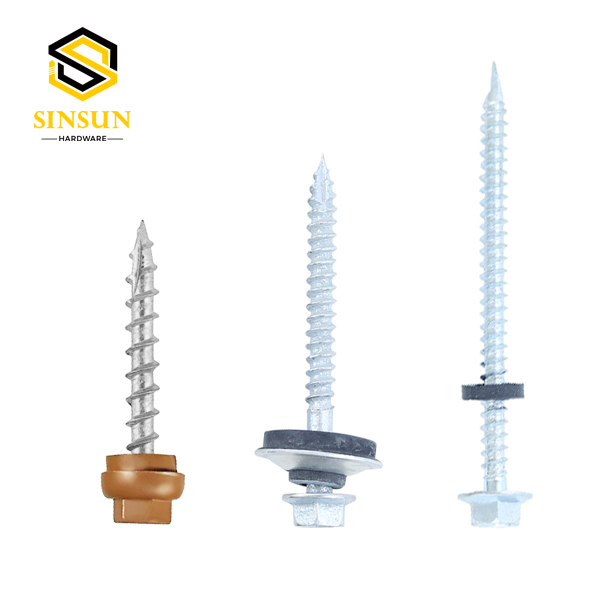
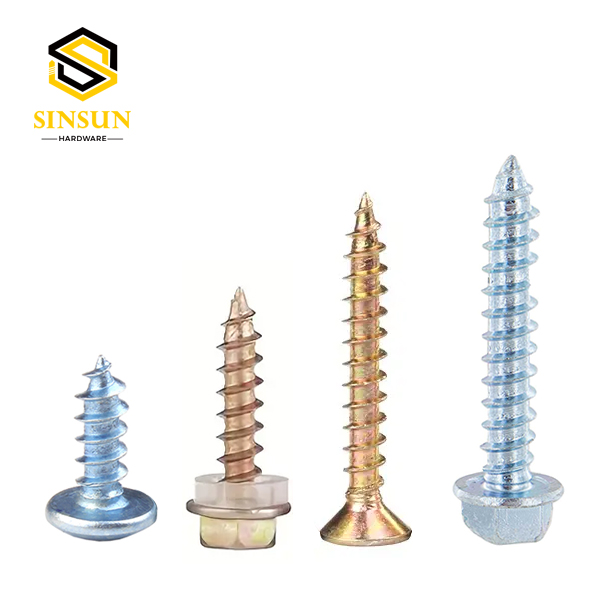
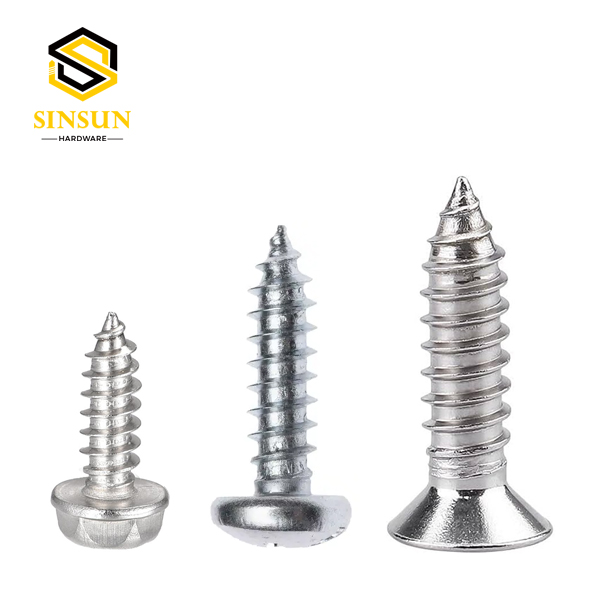
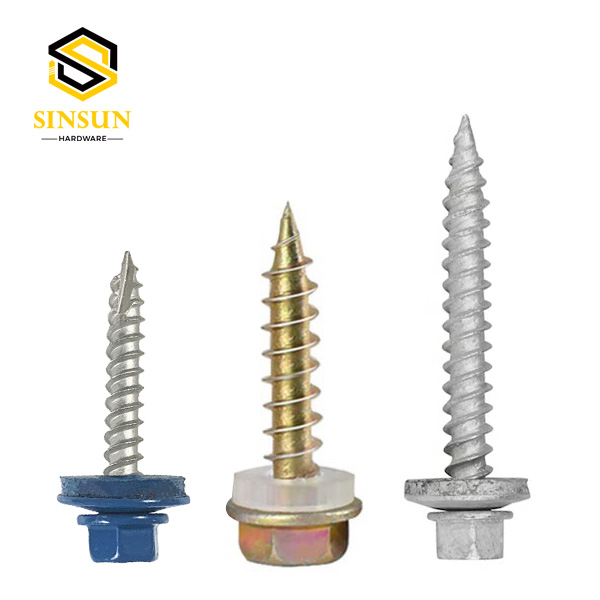
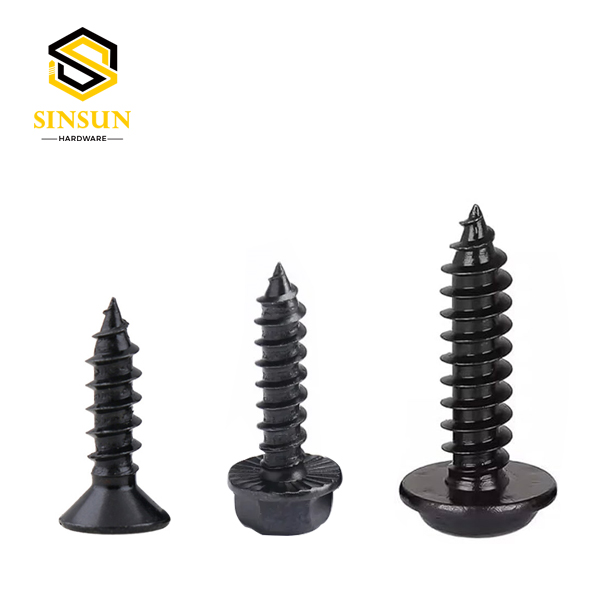
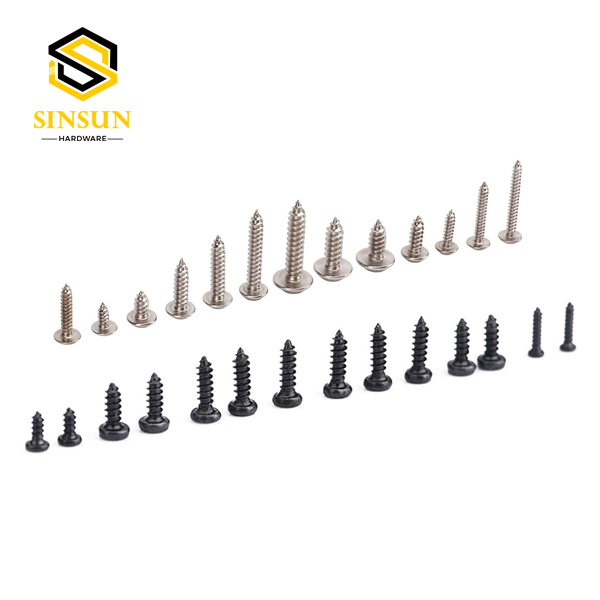
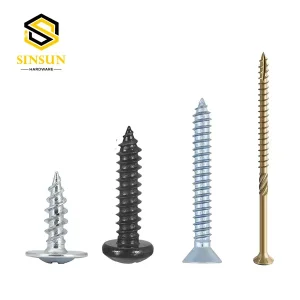
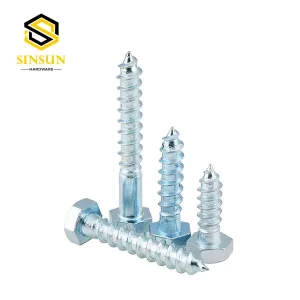
Self-tapping screws tap their own threads but typically require a pre-drilled pilot hole to guide them into harder materials. In contrast, self-drilling screws feature a drill-bit-shaped tip that drills its own hole and cuts threads in a single operation, eliminating the need for a pilot hole.
Yes, self-tapping screws are commonly used on metal surfaces. Depending on the thickness of the metal, you may need to drill a pilot hole first. Stainless steel and galvanized versions are highly recommended for metal applications to ensure structural strength and corrosion resistance.
Self-tapping screws with rubber washers (often used for metal roofing) provide an airtight and watertight seal. The rubber washer compresses against the surface material when tightened, preventing water leakage and protecting against moisture-induced rust.
Stainless steel self-tapping screws offer superior resistance to corrosion, rust, and harsh weather conditions. They are ideal for outdoor applications, marine environments, and food-processing equipment where durability and hygiene are critical.
The pilot hole diameter should match the minor diameter (the core shank size, excluding the threads) of the self-tapping screw. If the hole is too large, the threads won't grip properly; if it is too small, the screw may break during installation or damage the host material.