1 / 1

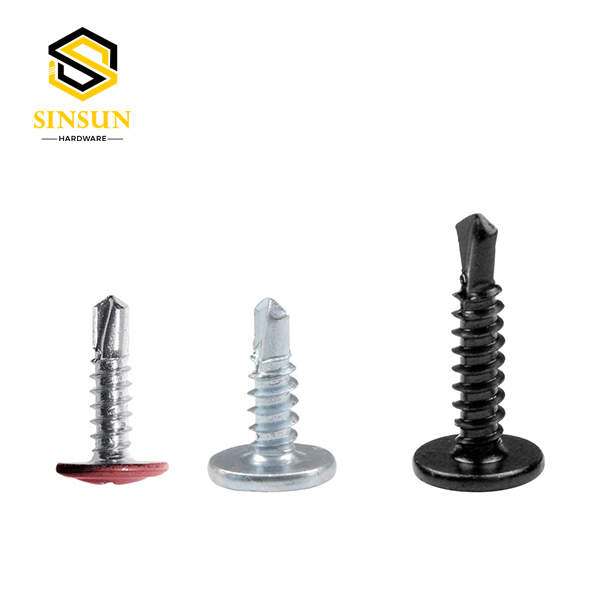
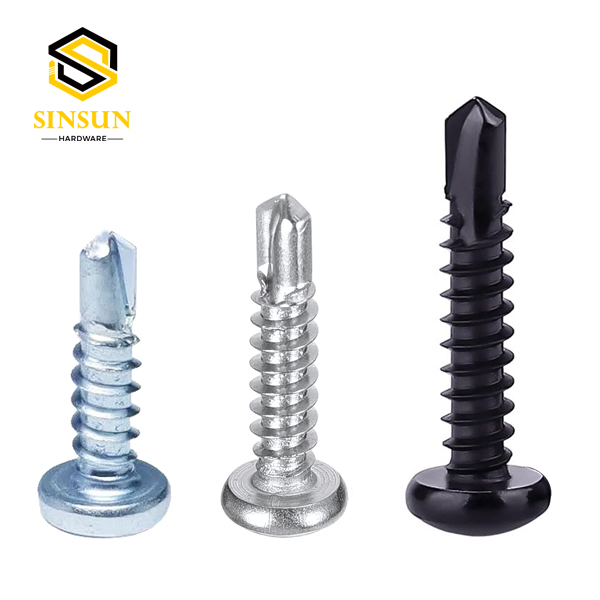
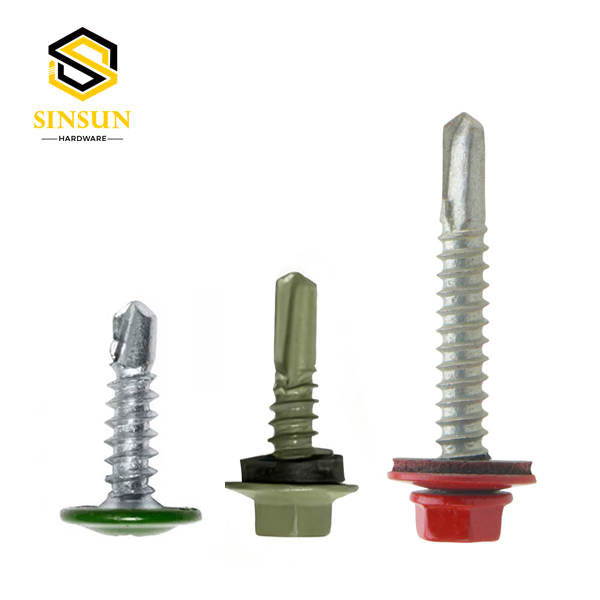
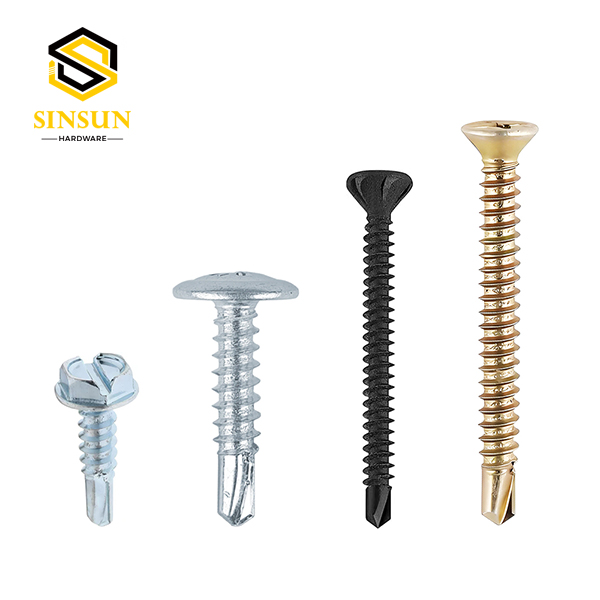
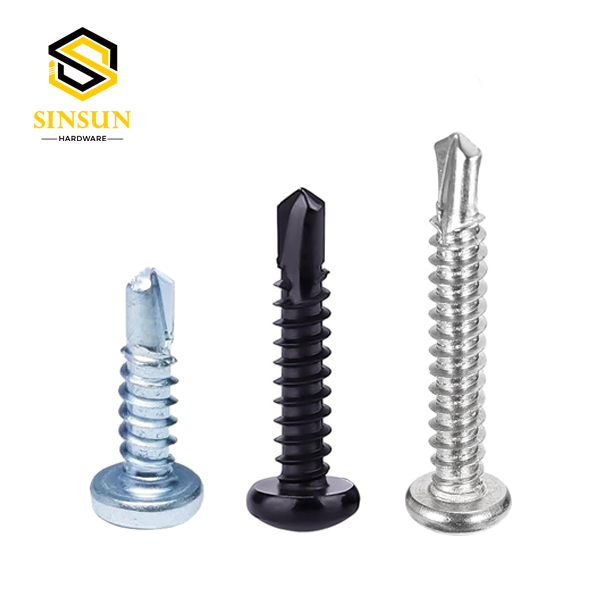
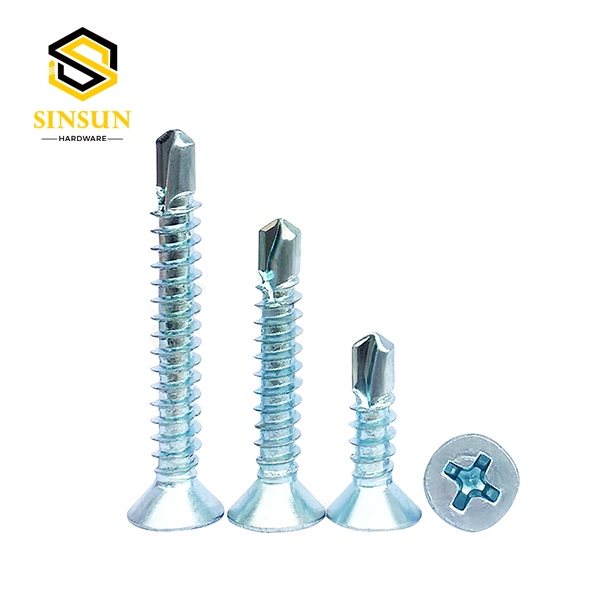
Self-drilling screws feature a drill-shaped point that enables them to drill their own hole and tap their own threads in a single operation, eliminating the need for pre-drilled pilot holes in metal and wood applications.
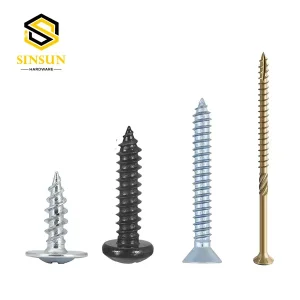
Modified truss head self-drilling screws feature an oversized, low-profile dome head that offers a larger surface bearing area. They are ideal for attaching metal lath or wire mesh to steel studs where maximum holding power is required without tearing the material.
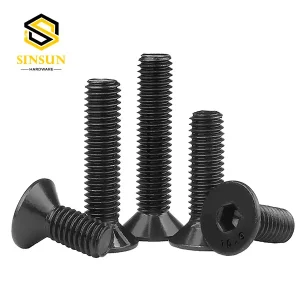
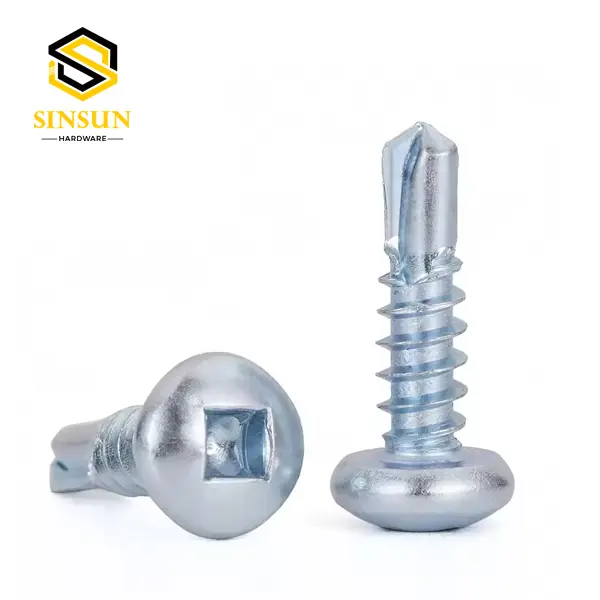
Pan head screws have a slightly rounded top with flat vertical sides that sit on top of the surface, while countersunk screws are designed to sit flush with or below the surface of the material, providing a flat and smooth finish.
Yes, but the capacity depends on the point size of the drill bit tip (e.g., Tek 3, Tek 4, or Tek 5). Higher-grade self-drilling metal screws are engineered to penetrate hot-rolled structural steel and thicker metal sections with ease.
Typically, self-drilling screws are manufactured from carbon steel or stainless steel. Carbon steel screws are often zinc-plated for enhanced corrosion resistance, while stainless steel options offer superior durability in outdoor and corrosive environments.