1 / 1

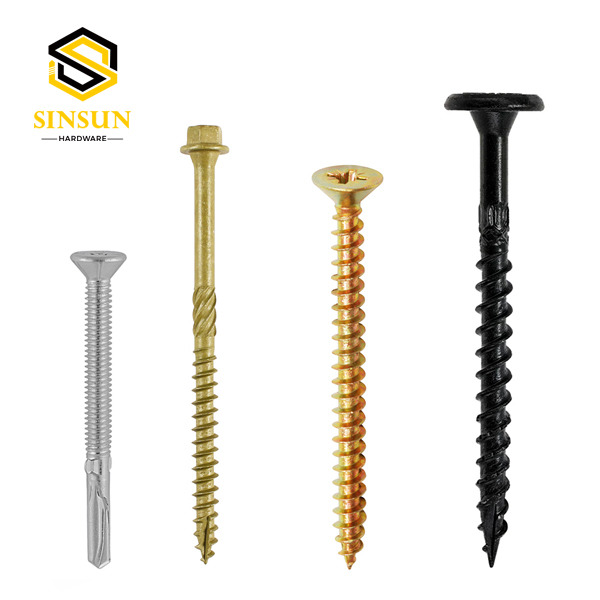
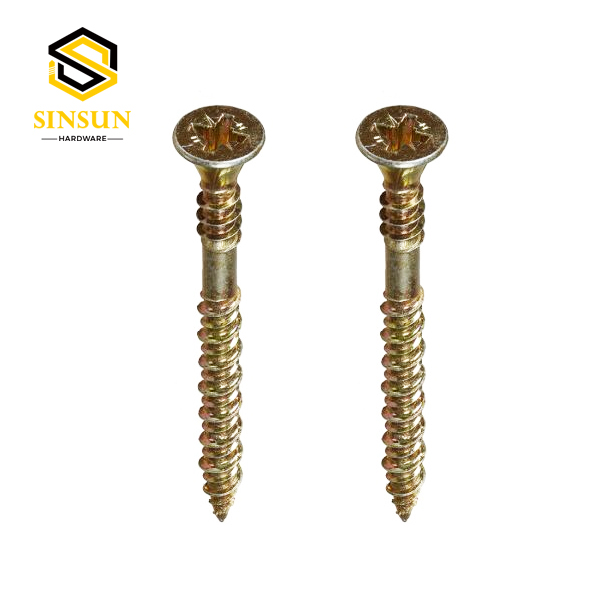
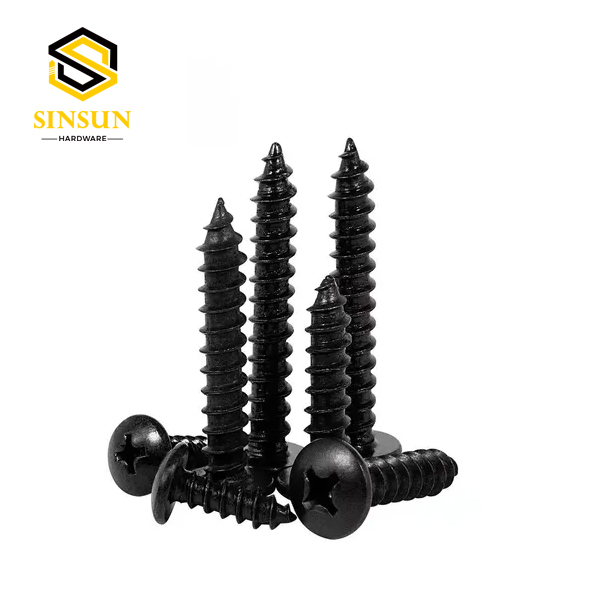
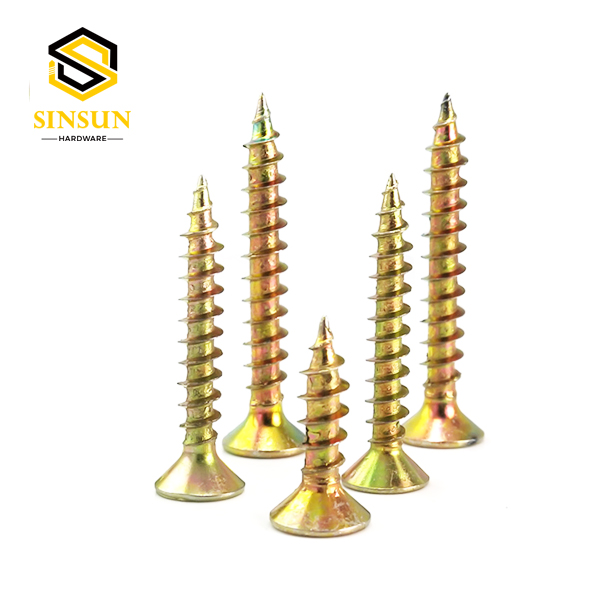
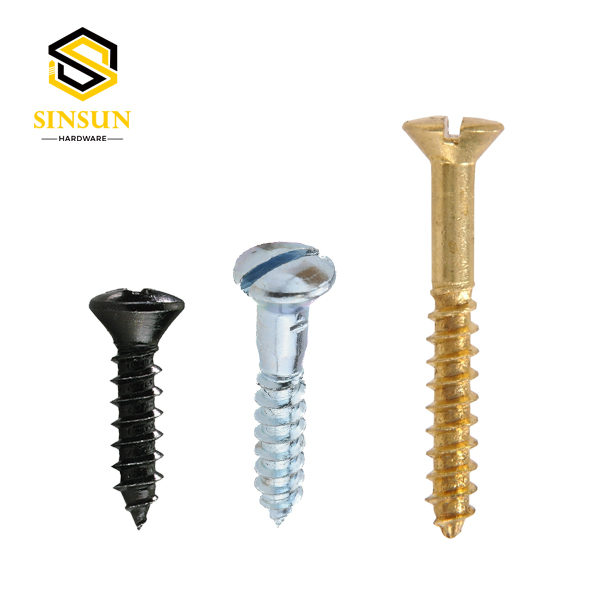
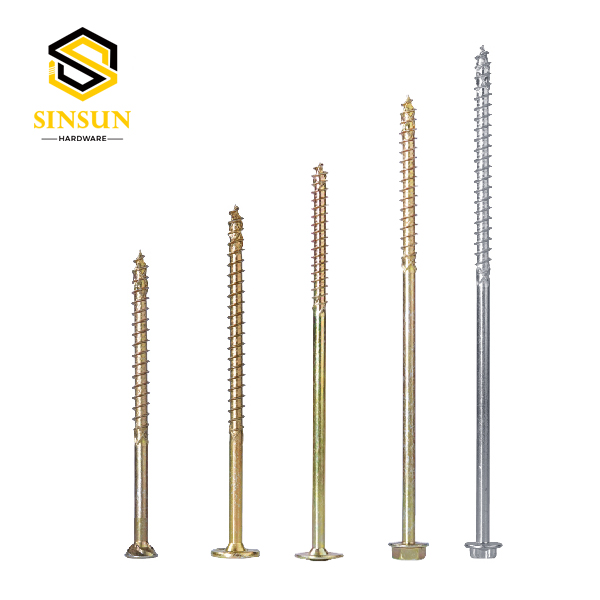
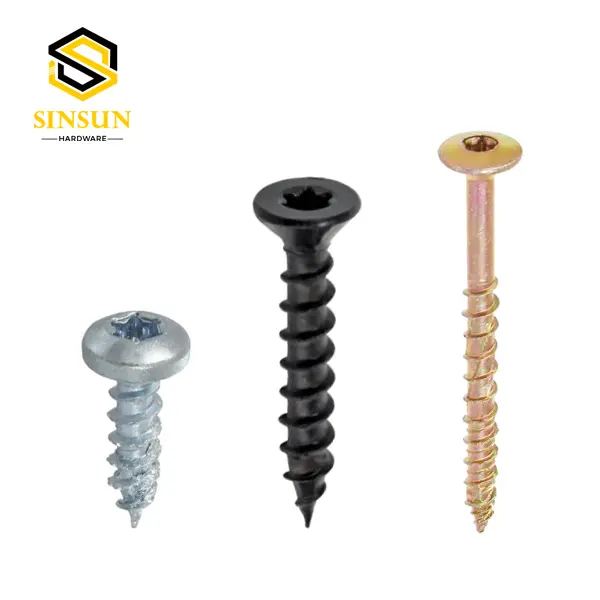
A: Chipboard screws feature a slimmer shank with deeper, sharper threads designed specifically for manufactured timbers like chipboard, MDF, and particle board, preventing splitting. Standard wood screws are optimized for natural hardwoods and softwoods.
A: The smooth, unthreaded shank allows the screw to spin freely in the top piece of wood, pulling it tightly against the bottom piece for a secure, flush joint. Without it, the threads can cause a gap between the two pieces.
A: While some modern self-tapping wood screws do not require pilot holes, pre-drilling is highly recommended when working with hardwoods or screwing near edges to prevent the wood from splitting.
A: Round head wood screws are best used when fastening thin materials to wood where countersinking is not possible, or when the screw head needs to remain visible as a decorative element on the wood surface.
A: For outdoor environments, stainless steel or specially coated corrosion-resistant wood screws should be used. These materials resist rust and degradation caused by weather elements and moisture exposure.
A: As a general rule, the screw should be long enough to penetrate at least two-thirds of the thickness of the receiving (bottom) piece of wood to ensure optimal holding strength.