1 / 1

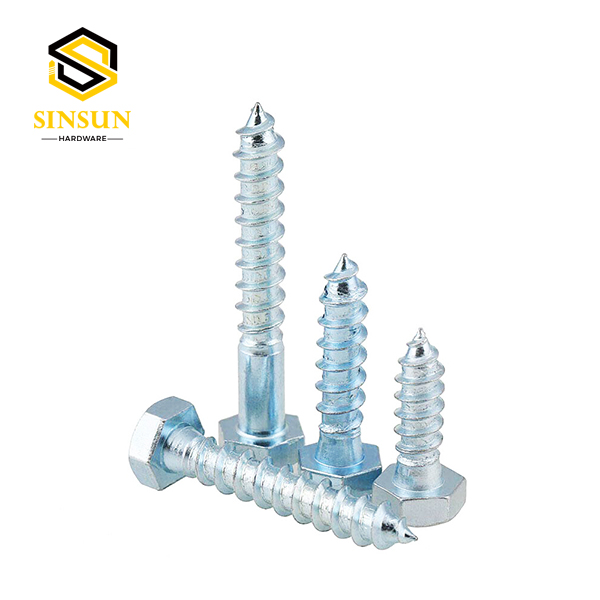
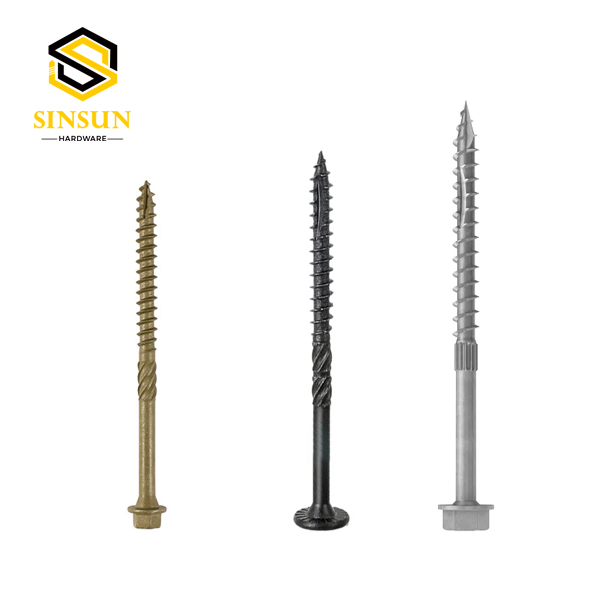
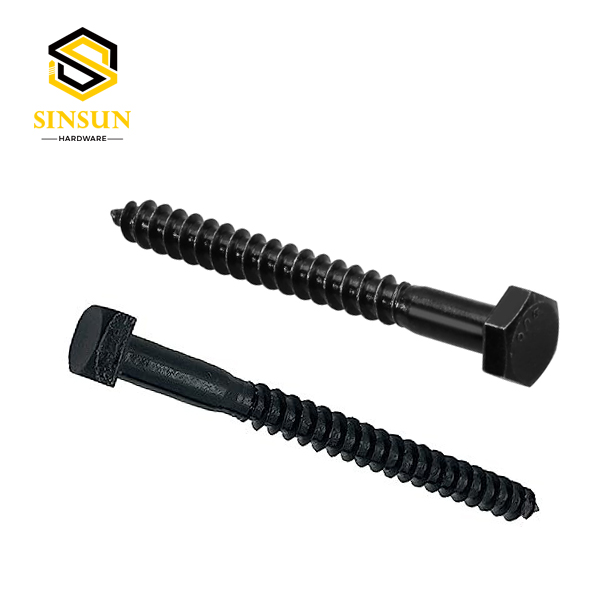
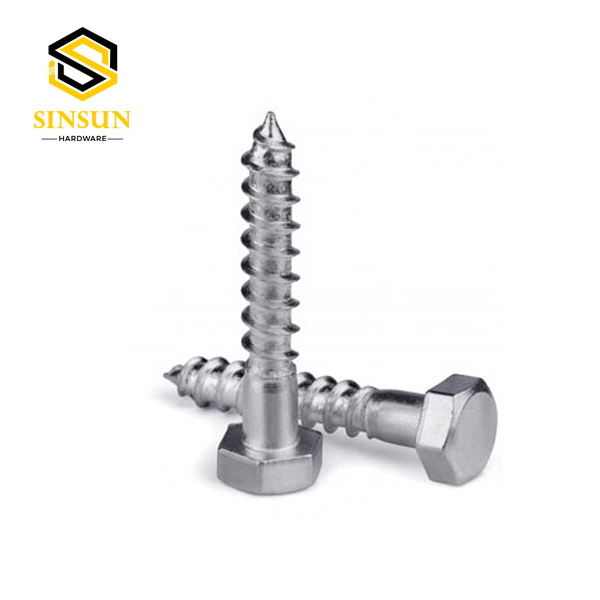
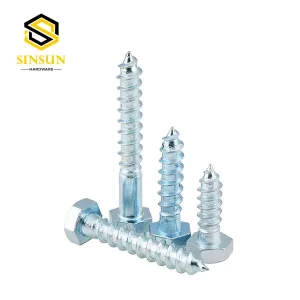
Lag screws (often called lag bolts) are heavy-duty fasteners used to connect heavy lumber, wood frames, and other load-bearing materials. They are commonly applied in deck construction, timber framing, and securing equipment to wooden surfaces.
Yes, drilling a pilot hole is essential when installing lag screws. It prevents the wood from splitting, reduces the torque required to drive the screw, and ensures the bolt aligns straight into the wood grain.
SS304 and SS316 stainless steel lag screws offer superior corrosion and rust resistance. SS316, in particular, is highly recommended for coastal, marine, and highly corrosive chemical environments due to its molybdenum content.
Zinc plating acts as a sacrificial barrier protecting the underlying steel from moisture and air. Black oxide, combined with E-coating, provides moderate corrosion resistance along with a sleek, dark aesthetic suitable for indoor architectural details.
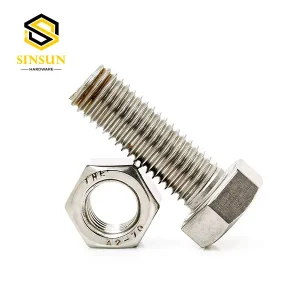
Unlike standard screws, lag screws have hex heads that require a socket wrench, nut driver, or impact driver for installation. You will also need a drill and drill bits of the appropriate size to create the pilot holes.