1 / 1

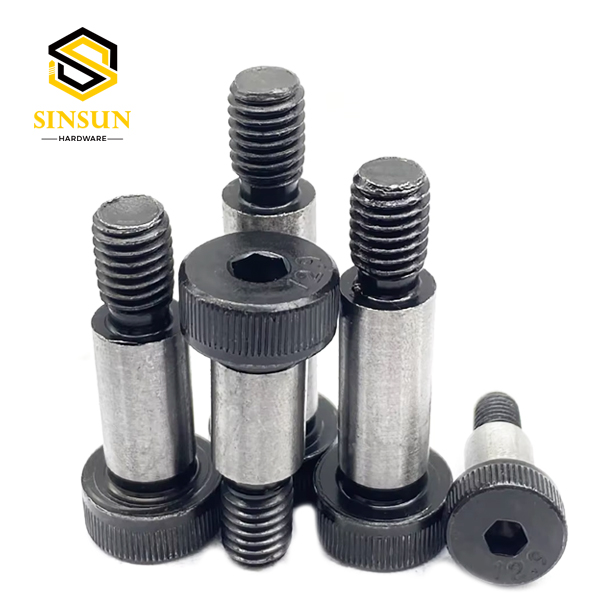
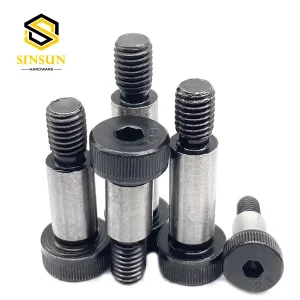
Shoulder bolts, also known as stripper bolts, are used in applications requiring rotation or sliding movement. They feature an unthreaded shoulder that acts as a shaft or dowel for rotating parts, pulleys, and gears.
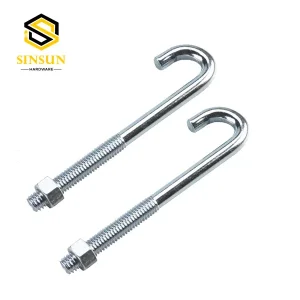
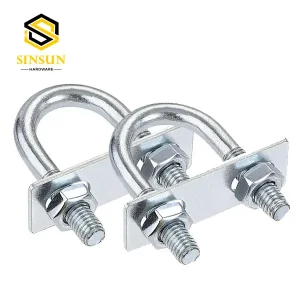
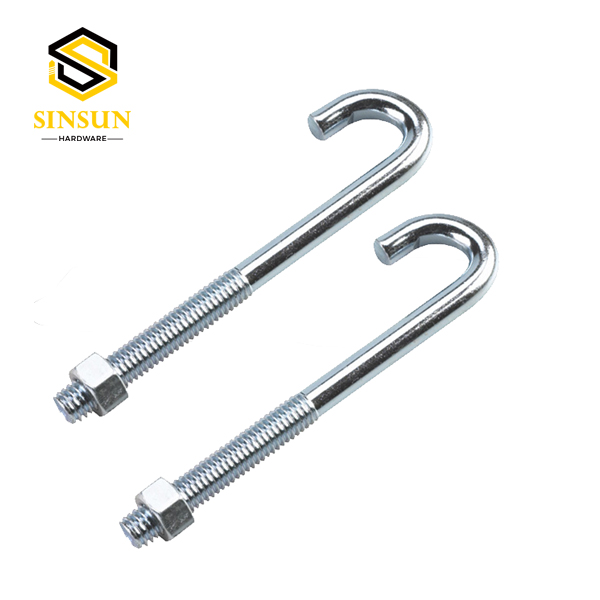
J bolts are ideal for anchoring structures to concrete foundations. The hooked "J" shape provides robust resistance, preventing the bolt from pulling out of the concrete when heavy loads or forces are applied.
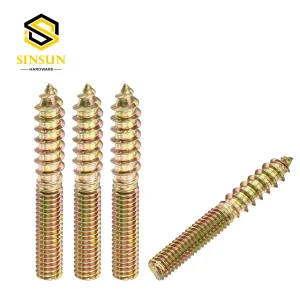
Stud bolts are threaded along their entire length or on both ends. This design allows for dual-nut assembly, which distributes tension more evenly, making them standard in flange connections for high-pressure piping systems.
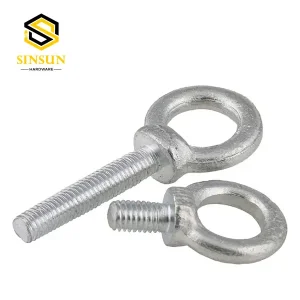
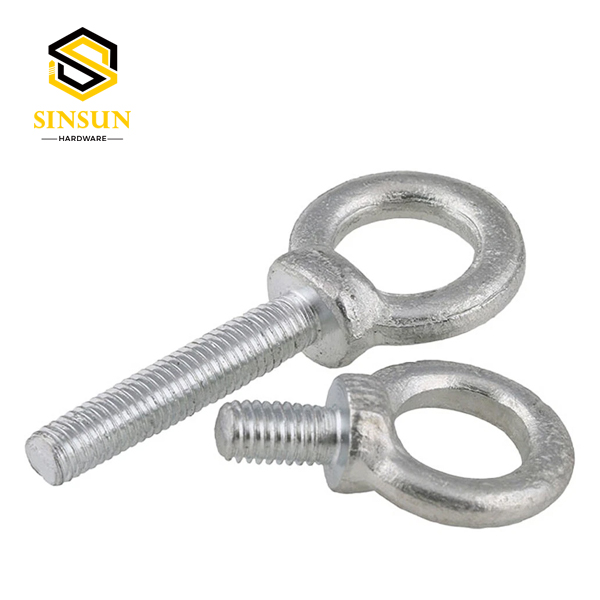
Selection depends on the angle of the load. Shoulder eye bolts can handle angular loads, whereas shoulderless eye bolts should only be used for vertical, inline lifts to prevent bending and ensure safety.
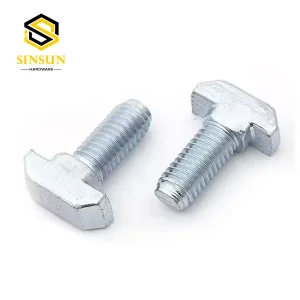
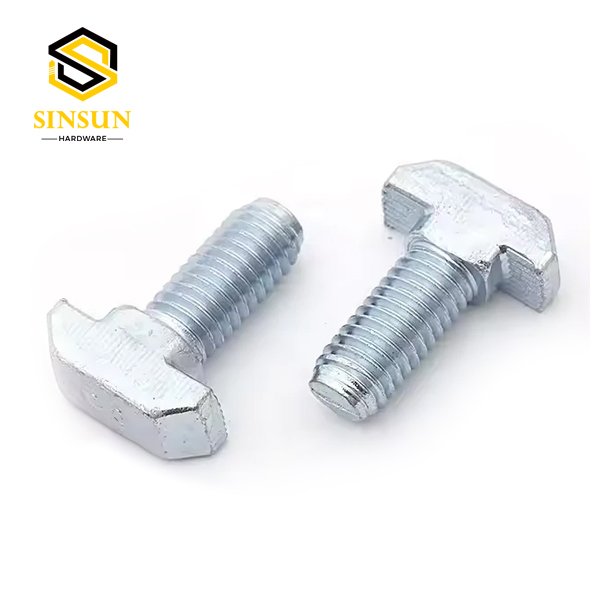
T bolts are widely used in machine tool tables, cleanroom systems, and aluminum profiling. The T-shaped head fits perfectly into standard tracks, allowing components to be clamped and adjusted efficiently.
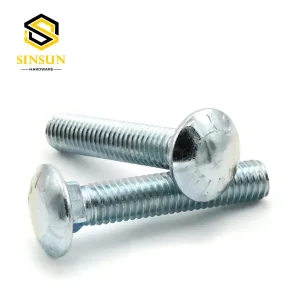
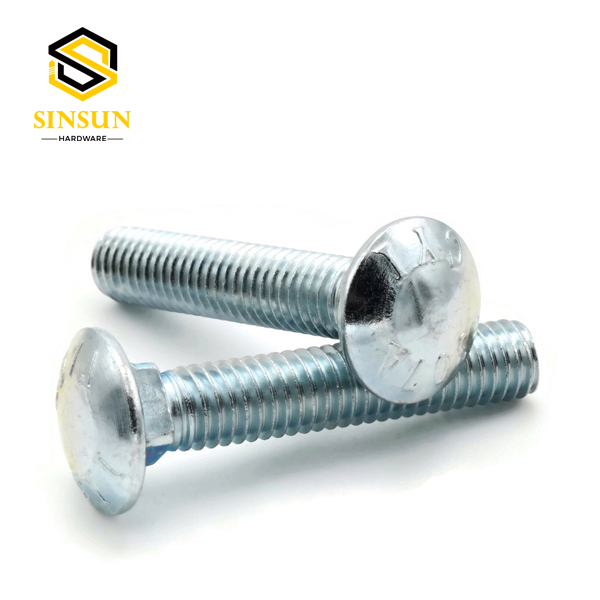
Carriage bolts feature a square neck under a smooth, rounded head. When installed, the square neck locks into the timber, preventing the bolt from turning while the nut is being tightened from the opposite side.