1 / 1

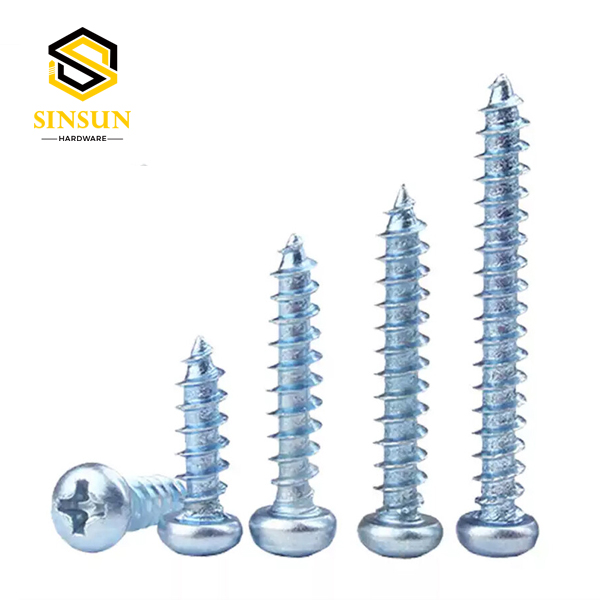
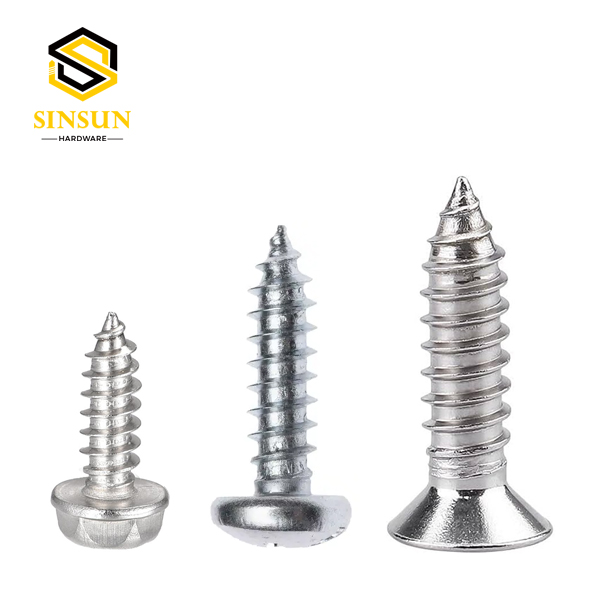
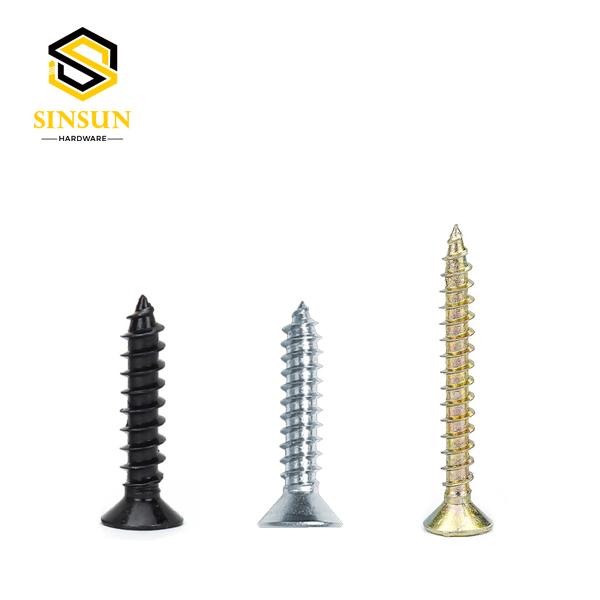
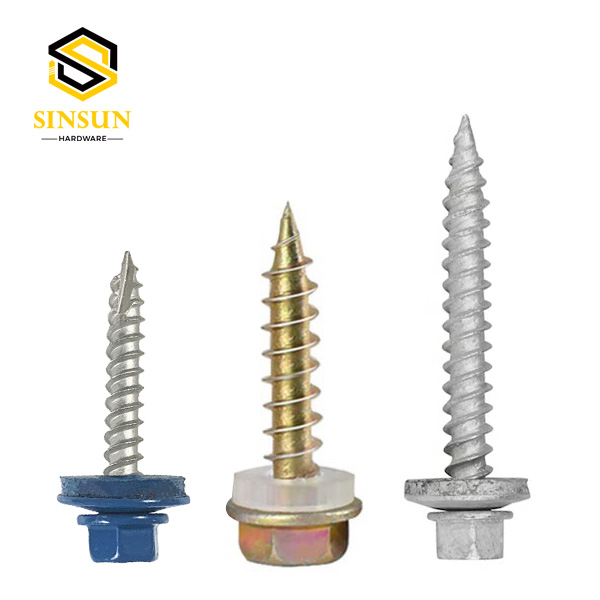
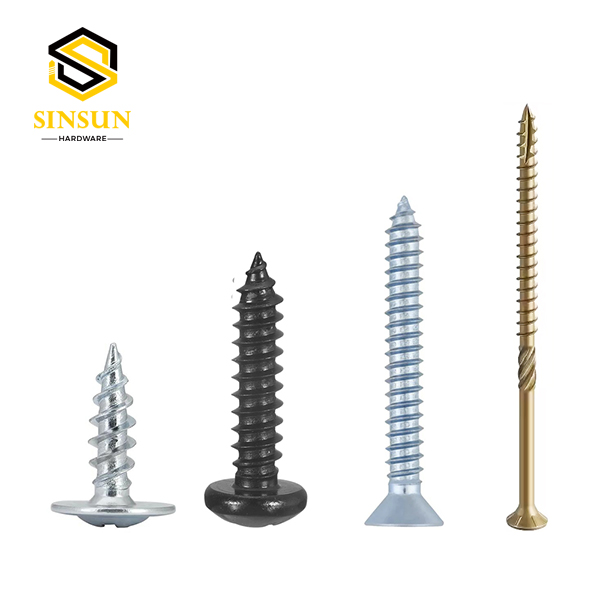
Self-tapping screws tap their own threads but typically require a pre-drilled pilot hole. Self-drilling screws have a drill-point tip that allows them to drill their own hole and tap their own threads in a single operation, eliminating the need for a pilot hole.
Yes, self-tapping screws are commonly used on metal substrates, particularly sheet metal. When using stainless steel self-tapping screws for metal, it is essential to drill a pilot hole of the correct diameter before fastening.
The rubber washer (typically EPDM) acts as a gasket. When the screw is tightened, the washer compresses to form a watertight seal, preventing rain and moisture from leaking through the screw hole into the building structure.
Galvanized self-tapping screws undergo a zinc coating process that provides excellent corrosion and rust resistance. This makes them ideal for outdoor construction, roofing, and environments exposed to high moisture levels.
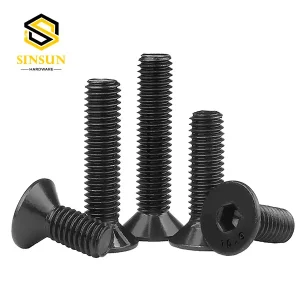
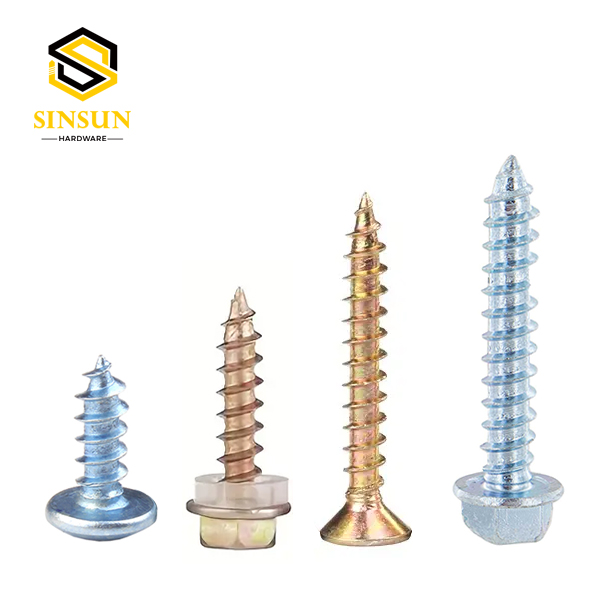
Countersunk head screws sit flush with or below the surface of the material, which is ideal for a clean flat finish. Pan head screws sit above the surface, providing a wider clamping surface area and higher holding power for thin materials.
While they can be unscrewed and reused, their thread-cutting capability may degrade upon re-entry. For critical load-bearing applications, using a new screw is recommended to ensure maximum thread engagement and holding capacity.