1 / 1

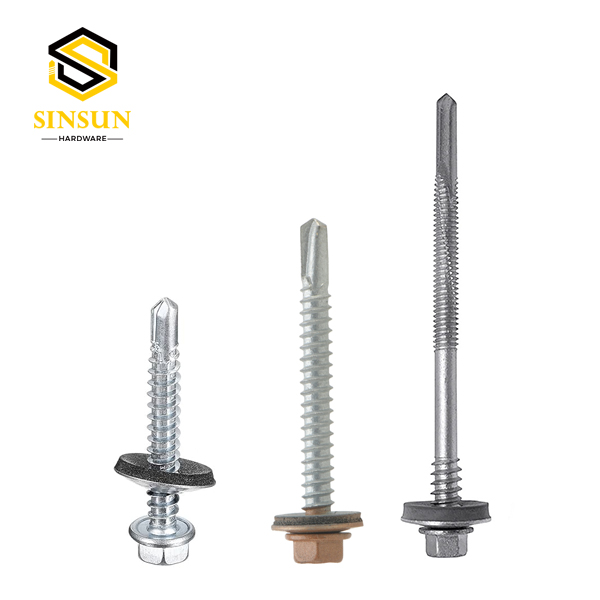
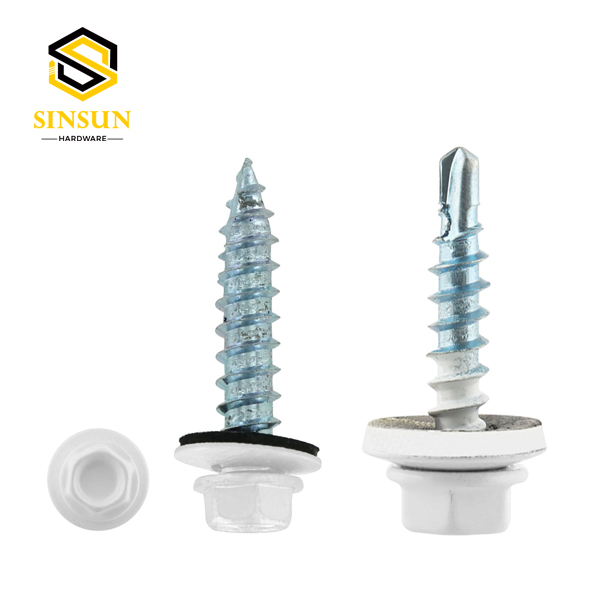
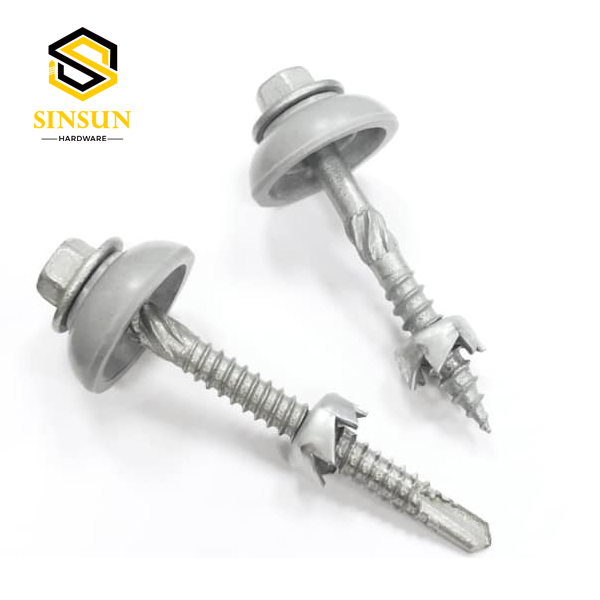
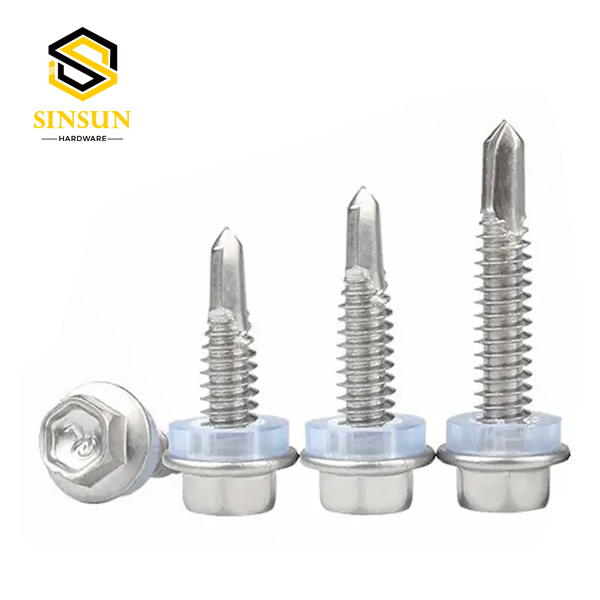
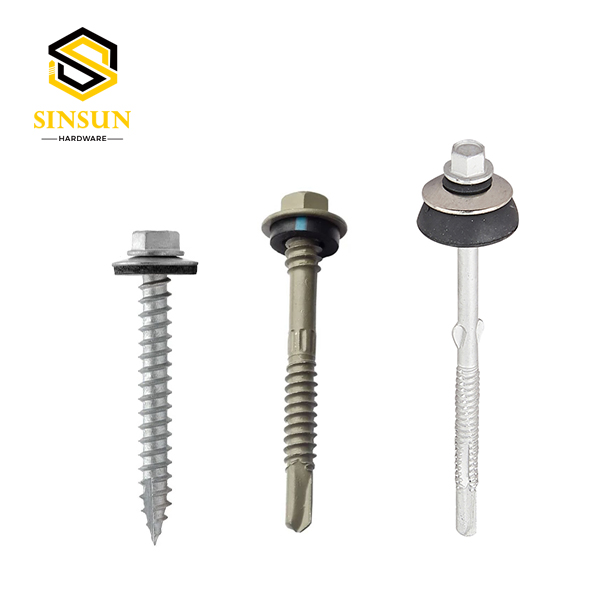
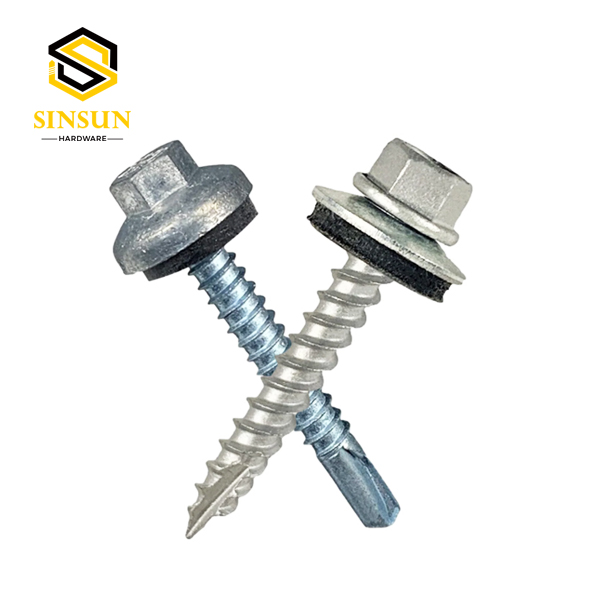
Metal roofing screws typically feature a sharp or drill point designed to pierce metal sheets, whereas polycarbonate roofing screws are designed to accommodate the expansion and contraction of plastic materials, often featuring larger washers to prevent water leakage.
Stainless steel roofing screws offer superior corrosion resistance, making them ideal for coastal environments or areas exposed to high moisture and harsh chemical atmospheric conditions, extending the overall lifespan of the roof.
The washer, typically made of EPDM rubber bonded to a metal backing, creates an airtight and watertight seal when compressed, preventing water from penetrating the screw hole and causing leaks or rust.
Galvanized roofing screws are highly effective for standard outdoor applications as they have a protective zinc coating. However, for extremely corrosive environments like marine areas, stainless steel is generally recommended.
The screw should be long enough to penetrate through the roofing material and completely embed into the underlying structural purlins or timber supports, typically requiring at least 1 inch of penetration into wood.