Q1: What is the difference between a self-tapping screw and a self-drilling screw?
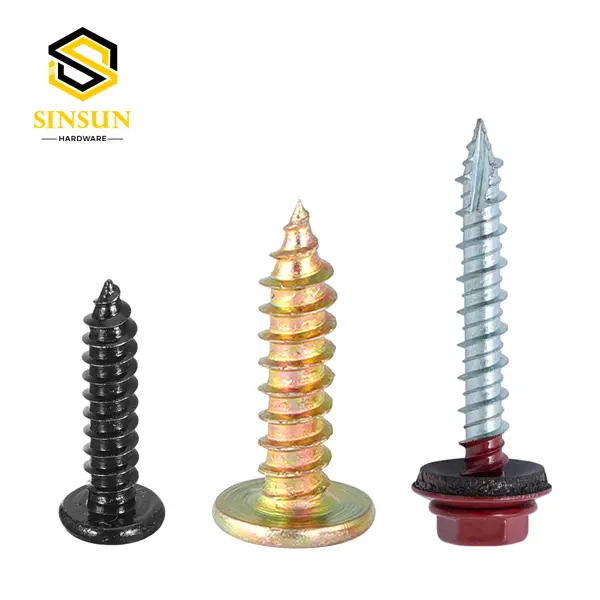
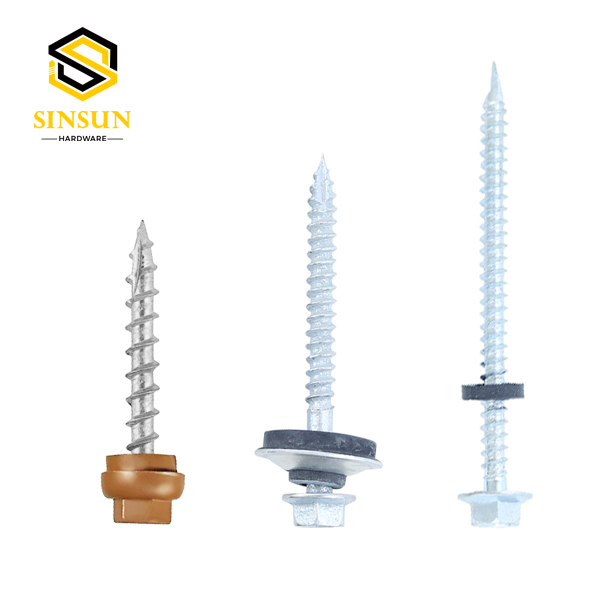
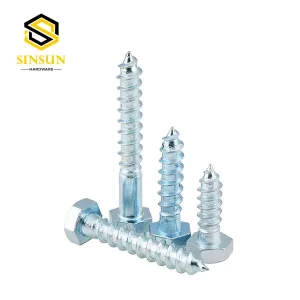
Self-tapping screws tap their own threads into a pre-drilled pilot hole. Self-drilling screws, on the other hand, feature a drill-bit tip that allows them to drill their own hole and tap threads in one simple operation, eliminating the need for a pilot hole.
Q2: Do you need to drill a pilot hole for self-tapping screws?
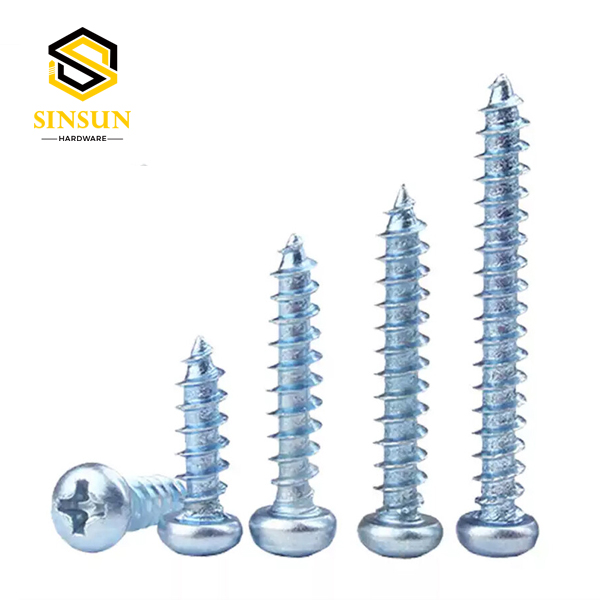
Yes, self-tapping screws generally require a pre-drilled pilot hole. The size of the pilot hole should be slightly smaller than the outer diameter of the screw threads to ensure a tight, secure grip.
Q3: Can stainless steel self-tapping screws be used on metal surfaces?
Absolutely. Stainless steel self-tapping screws are ideal for metal applications due to their high tensile strength and superior corrosion resistance, making them perfect for outdoor or high-moisture environments.
Q4: What are the benefits of galvanized self-tapping screws?
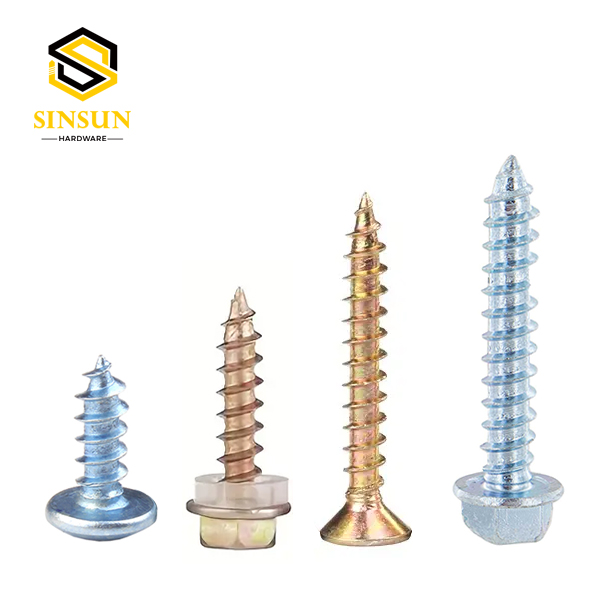
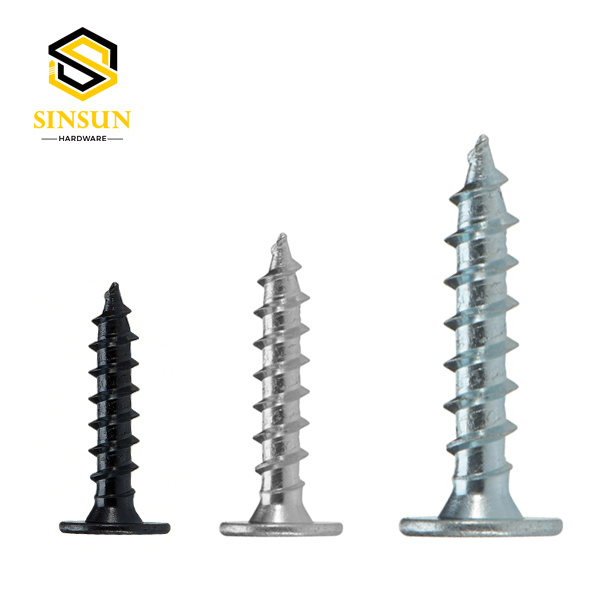
Galvanized self-tapping screws feature a protective zinc coating that guards against rust and oxidation. This makes them highly durable and cost-effective for construction, roofing, and general industrial applications.
Q5: How do I choose between pan head and flat head screws?
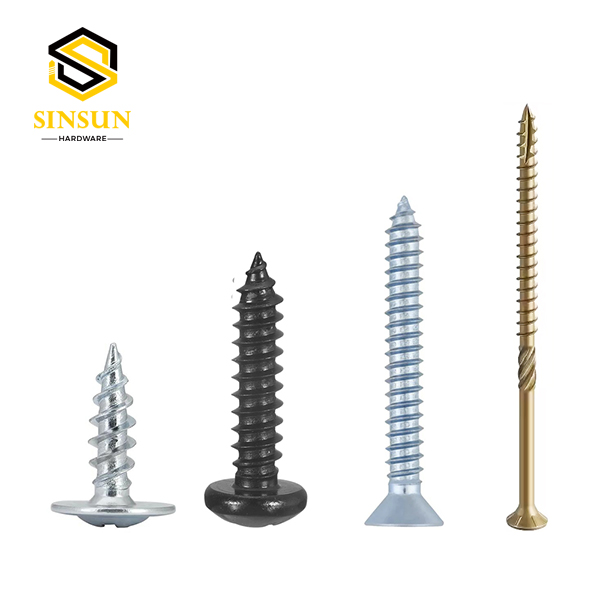
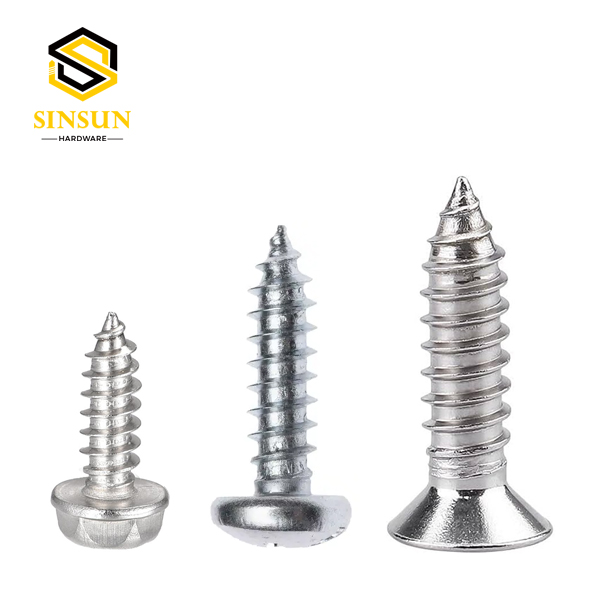
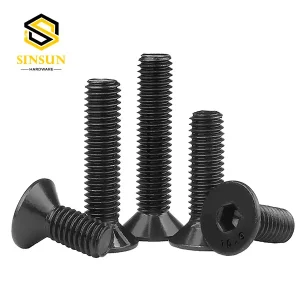
Pan head screws sit above the surface of the material, providing a clean, rounded look with a wide clamping surface. Flat head screws are countersunk, allowing the screw head to sit completely flush with the material surface.
Q6: Can self-tapping screws be reused?
Yes, they can be removed and reused. However, because they cut their own threads, repeatedly inserting them into the same hole may eventually strip the threads in the material, reducing the joint's holding power.