1 / 1

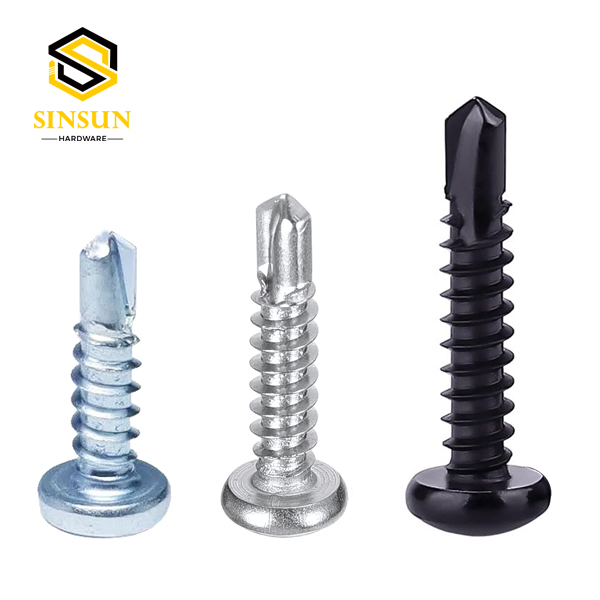
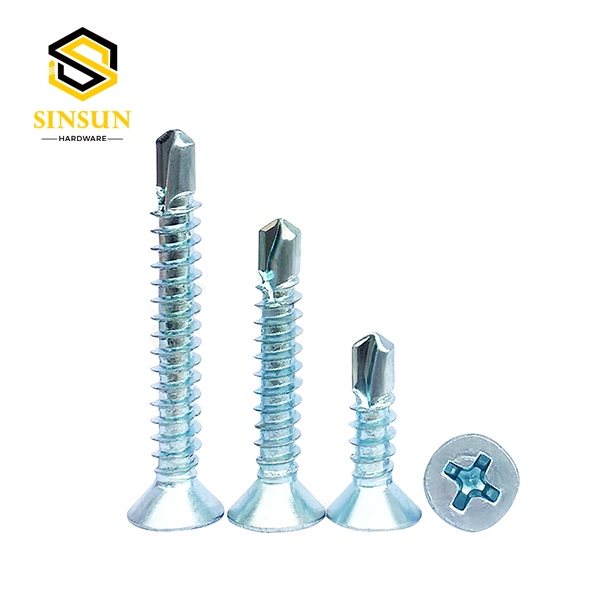
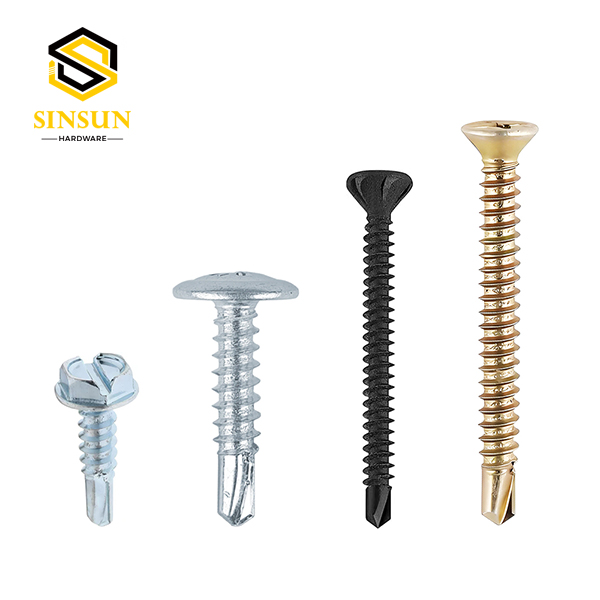
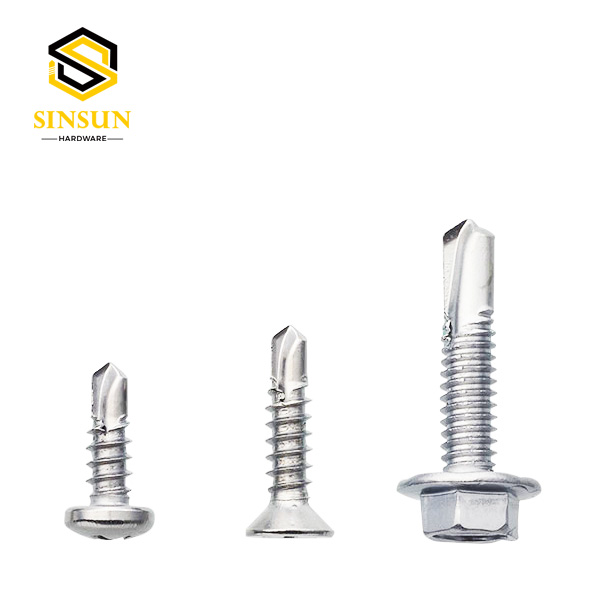
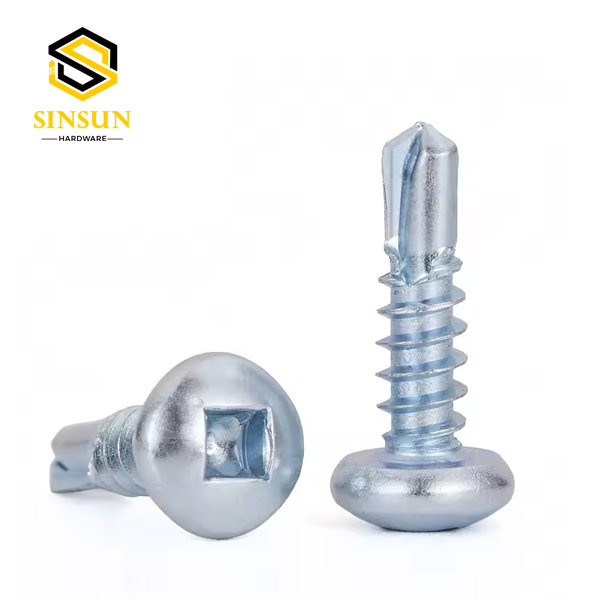
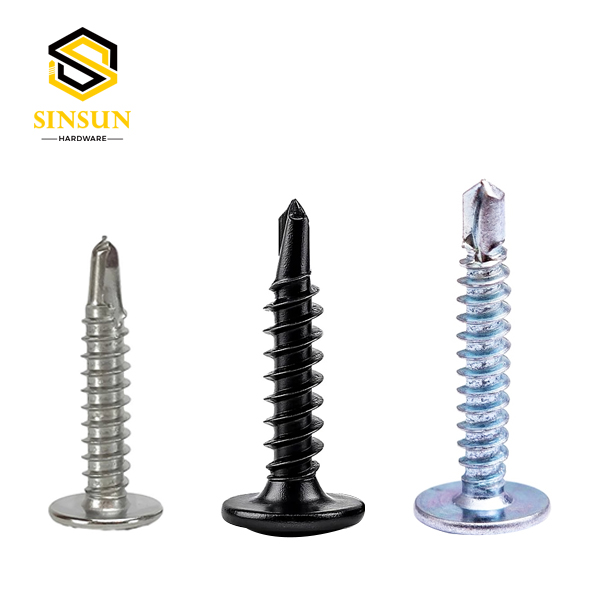
Self-drilling screws, often referred to as Tek screws, feature a point shaped like a drill bit. This design allows them to drill their own pilot hole and tap threads in a single operation, eliminating the need for pre-drilling.
Self-drilling screws have a built-in drill tip that creates a hole before cutting threads. In contrast, self-tapping screws require a pre-drilled pilot hole to function, though they can tap their own threads once inserted.
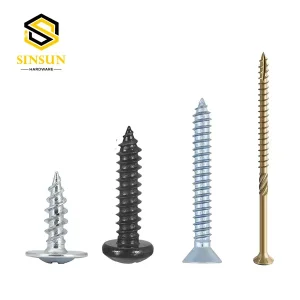
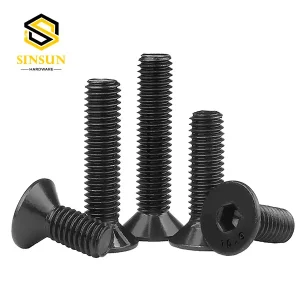
Round head screws provide a flat bearing surface under the head and remain raised on the material's surface, making them ideal for binding metal sheets. Countersunk screws sit flush with the material surface, which is ideal for woodworking, hinge installations, or flush-finish applications.
Stainless steel offers excellent corrosion resistance. However, because standard stainless steel is softer than carbon steel, bi-metal self-drilling screws (featuring a carbon steel drill tip welded to a stainless steel body) are recommended for drilling into harder or thicker metals.
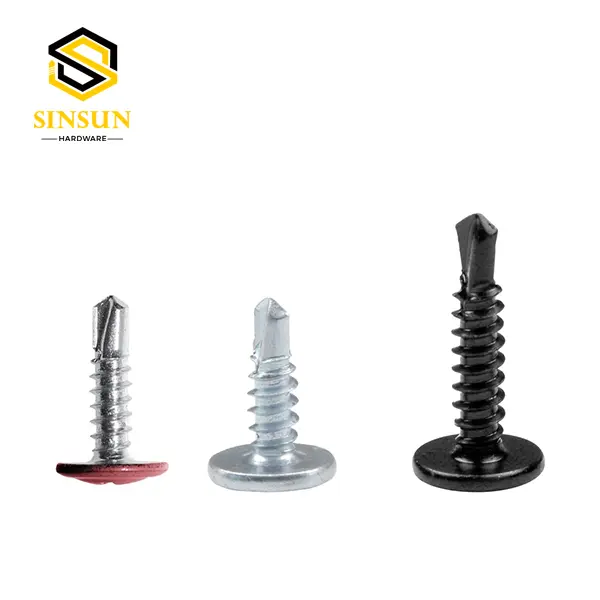
Wafer head self-drilling screws have a low-profile head with a flat underside. This head type provides a larger surface area to distribute clamping pressure, making it perfect for attaching thin sheets of metal or wood without tearing or piercing the material too deeply.