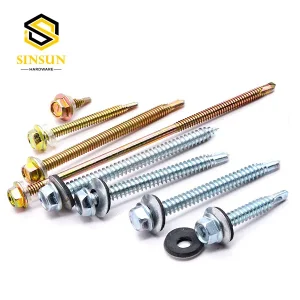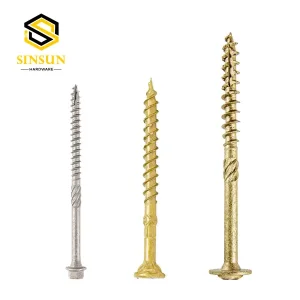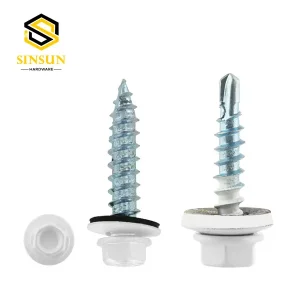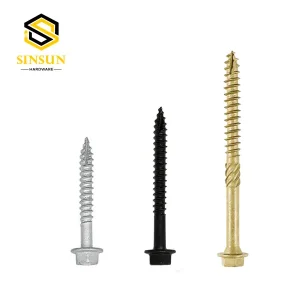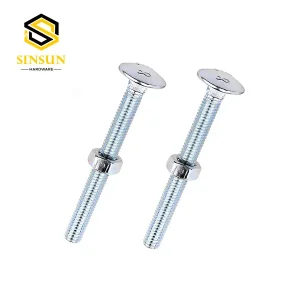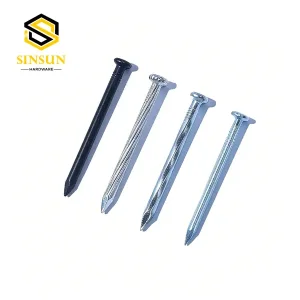
Engineered to withstand extreme tensile stresses and hostile structural environments globally.
In modern industrial, agricultural, and civil infrastructure, corrosion is a trillion-dollar vulnerability. Hot-dipped galvanized iron wire has emerged as the premier structural backbone due to its exceptional mechanical durability and cost-effectiveness. The process relies on a complex thermodynamic reaction at high temperatures, typically 450°C, where carbon steel wire is submerged into a molten zinc bath. This creates a series of zinc-iron alloy layers (Gamma, Delta, and Zeta phases) topped by a pure Eta zinc outer coating.
Unlike electro-galvanizing, which produces a thin, purely aesthetic layer of zinc (typically <15 g/m²), the hot-dip process yields a robust coating ranging from 40 g/m² to over 350 g/m². This protective layer acts as a physical barrier and a sacrificial anode, continuously defending the structural steel core even if scratched or cut.
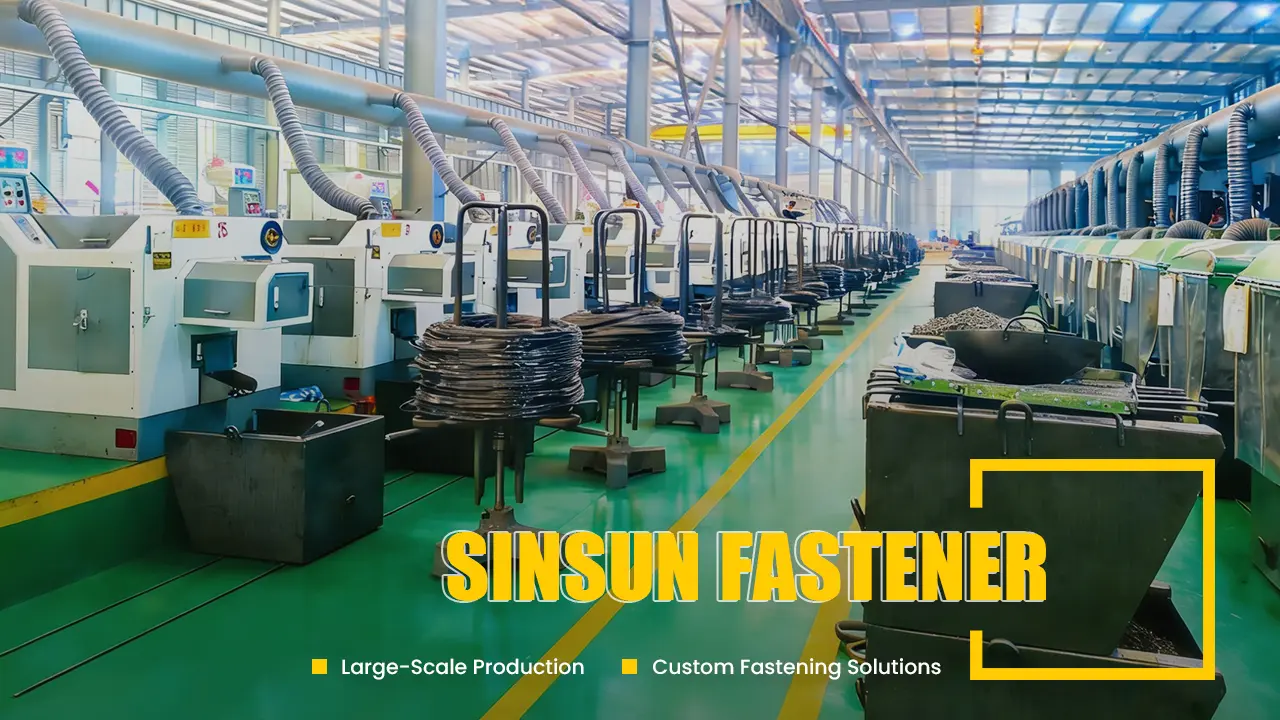
Sinsun Hardware integrates German cold-forging and Taiwanese processing technologies to secure zero-defect wire components.
Sourced exclusively from premium industrial suppliers like Ansteel Group and Xingtai Steel. Spheroidizing annealing ensures optimum microstructures.
Over 200 German-imported multi-station cold heading machines operate alongside advanced high-capacity continuous wire drawing systems.
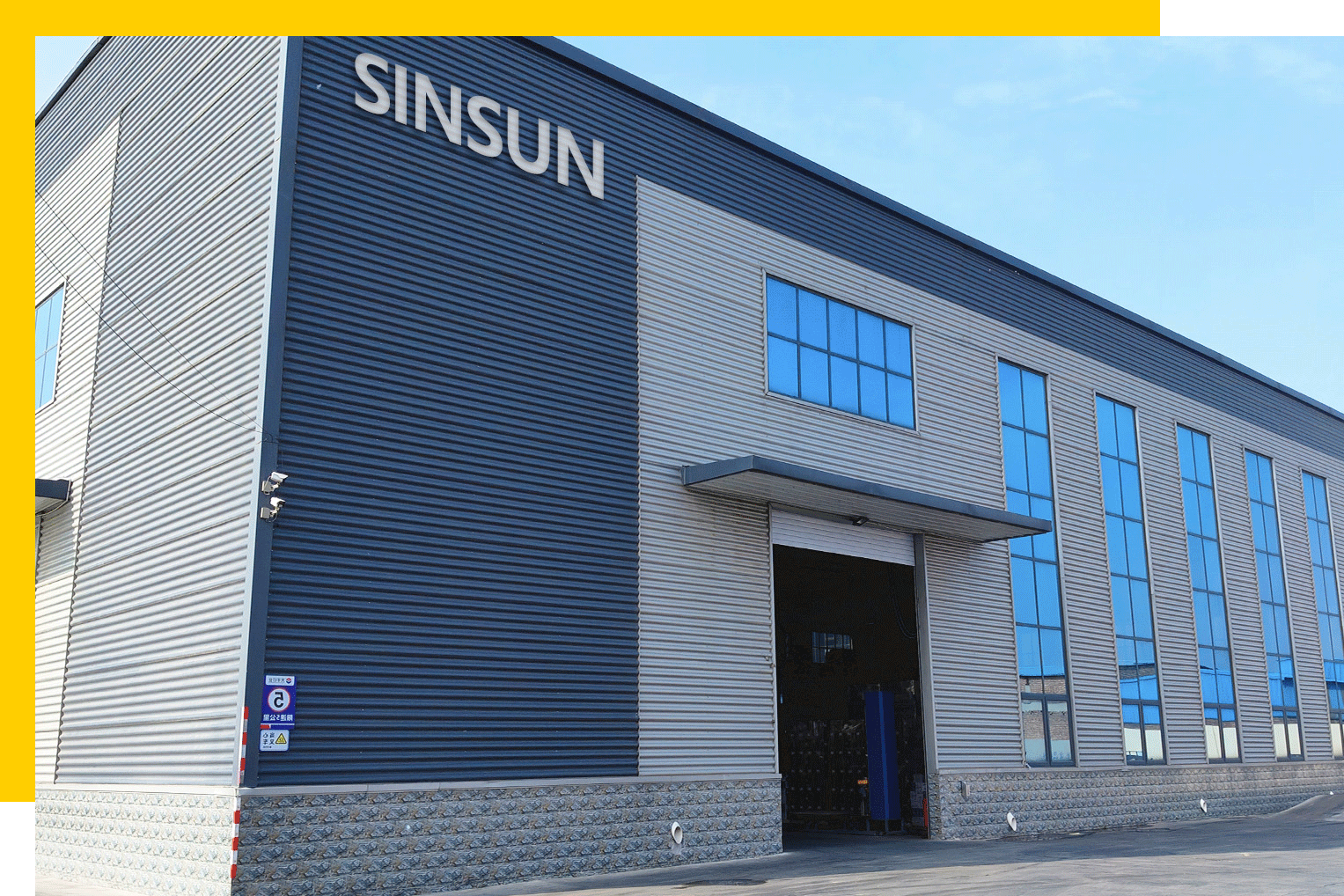
A 30,000 sqm integrated facility and 12,000 sqm smart warehouse holding 18,000+ pallets, shipping over 8,500 containers annually worldwide.
Surface roughness of Ra ≤ 0.4μm, dimensional tolerances down to ±0.02mm, and tensile strengths exceeding 1,000+ MPa.
Sinsun Hardware's path from a high-quality regional factory to a globally trusted, technology-driven leader.
Sinsun Hardware is founded, establishing dedicated production for structural fasteners and precision-drawn wires in Northern China.
Export logistics networks are integrated, initiating bulk supply to Middle Eastern, South American, and Russian distributors.
Integration of German-engineered cold forging systems, raising daily production and quality testing capabilities.
Annual capacity grows to 36,000 tons. Integrated gas-fired heat treatment lines achieve HRC 28-32 harness controls.
At SINSUN, structural integrity starts at the atomic level. We procure high-grade C1022A carbon steel from Ansteel and Xingtai Steel. The raw coil undergoes spheroidizing annealing to relieve internal mechanical stresses and optimize the carbide structures for high-deformation cold-drawing processes.
Our drawing plant utilizes multi-stage tungsten carbide dies under liquid cooling to reduce wire diameters while increasing tensile strength. Post-drawing, wires intended for structural application or complex fasteners undergo in-house gas-fired annealing. This achieves dynamic elongation ranges (typically 12-25%) that prevent brittle fractures during construction or industrial wire forming.
We work directly with contractors, system engineers, and regional distributors to meet challenging environmental specifications.
Farming regions in South America, Southern Europe, and Australia experience intense solar radiation and chemical exposures from pesticides. Sinsun's high-zinc hot-dipped wires (minimum 240 g/m²) feature an anti-corrosion barrier that prevents zinc peeling, extending service life up to 25 years.
Subsea and underground electrical grids require robust protection. We manufacture high-tensile galvanized steel wire featuring precise elongation properties. This wire acts as a structural defense shield against mechanical pressure, earth shifts, and moisture intrusion.
Civil engineering works in coastal zones depend on heavy zinc-coated galvanized gabion baskets to resist saltwater corrosion. Sinsun provides customized heavy-coat galvanized wire systems that exceed 1000 hours of continuous salt spray testing, ensuring long-term structural reliability.
We supply precision-drawn galvanized wire optimized for automated forming systems. The coatings are engineered to remain intact under high-speed tooling, avoiding issues with die fouling and zinc dust generation.
Real-world engineering applications proving our capabilities in specialized global conditions.
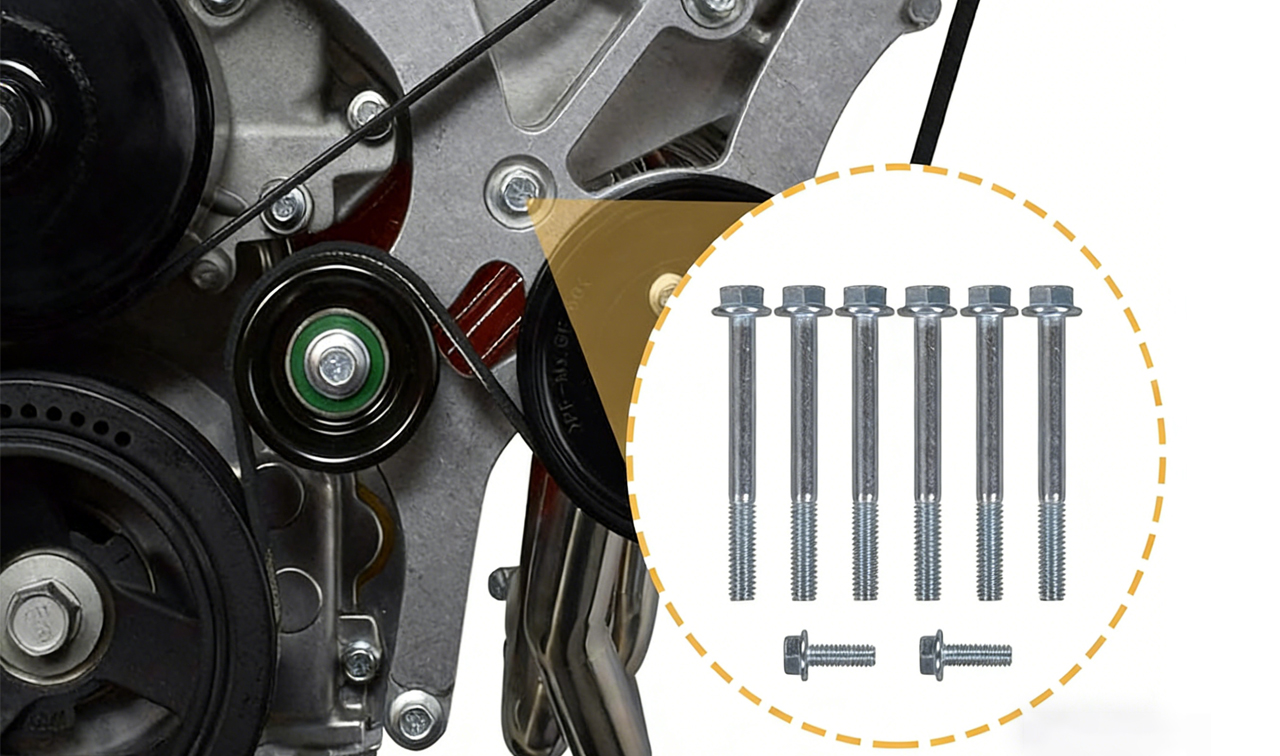
A tier-1 automotive supplier required custom flange bolts featuring exceptional vibration resistance combined with weight reduction.
Redesigned the components using a tailored alloy steel and integrated a specialized locking thread geometry. Subjected parts to cyclic dynamic stress tests.
Achieved a 15% reduction in overall component weight. Parts successfully passed 2,000-hour vibration stress testing protocols.
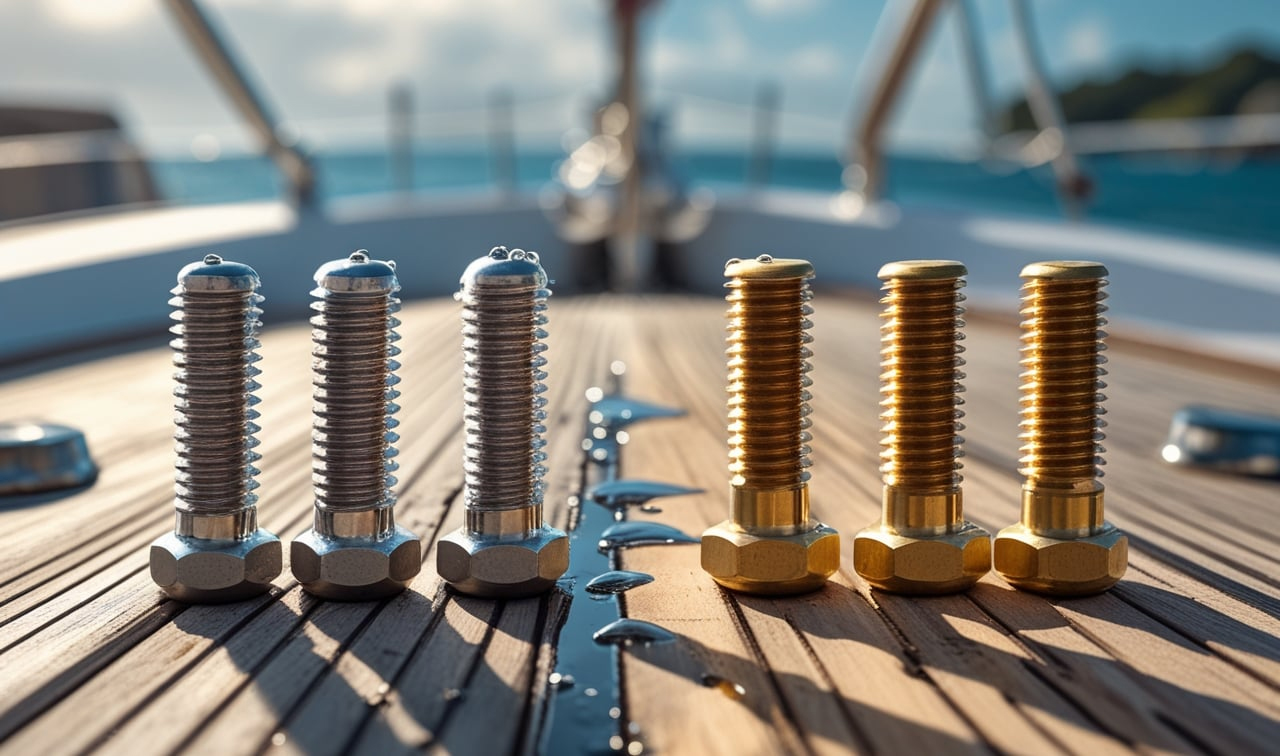
A marine engineering firm needed large-diameter structural bolts to withstand high-salinity seawater splash zones.
Provided high-strength duplex stainless steel with a proprietary passivation layer. All batches carried full material tracking certifications.
Delivered zero structural fastener failures under severe environmental conditions, exceeding client design life targets.
From initial design to logistics delivery, our workflow ensures quality and transparency.
We work with you to understand your specific tensile strength, elongation, and coating thickness requirements.
Our technical team details material choices and specifications, sending complete proposals within 48 hours.
We produce prototypes for laboratory analysis, testing tensile capacity and coating integrity before production.
We scale production under automated controls, utilizing Statistical Process Control (SPC) for consistent quality.
Every shipment undergoes final inspection and is packed in custom packaging before entering our logistics system.
Detailed metallurgical and logistical answers to support industrial purchasing decisions.
The differences lie in coating thickness and zinc bonding. Electro-galvanizing uses electrodeposition to apply a thin zinc layer (typically <15 g/m²), which is suitable for indoor applications. Hot-dip galvanization involves dipping drawn steel into molten zinc at 450°C. This creates strong zinc-iron alloy layers topped with a thick, pure zinc coating (up to 300+ g/m²). This makes it highly durable for outdoor and marine applications.
Peeling occurs when the zinc-iron alloy layer grows too thick and brittle, or if the steel is not cleaned properly. We clean the drawn steel using multiple acid pickling stages, followed by fluxing. We also control the zinc bath's temperature and dipping speed. This forms a balanced, flexible alloy layer that keeps the coating intact during bending and forming.
We manufacture to global specifications, including ASTM A641 (USA), BS EN 10244 (Europe), JIS G3547 (Japan), and GB/T 343 (China). We provide chemical analysis, tensile testing, and zinc coating thickness certifications for every batch.
We offer flexible MOQ options. While our facilities are optimized for high-volume production, we support smaller initial orders for prototyping and testing. Contact us with your project requirements.
Hydrogen embrittlement can occur when carbon steels absorb hydrogen during acid pickling. We manage this risk by using acid inhibitors in our pickling lines and controlling exposure times. If required, we bake the steel to safely remove absorbed hydrogen before galvanizing.
Standard products are delivered in 4 to 6 weeks. Customized ODM items or specialized alloys may require longer. We provide detailed timelines with every quotation.
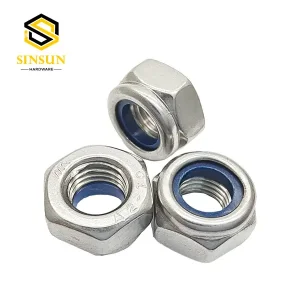
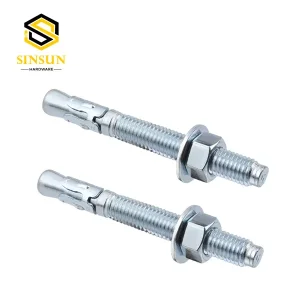
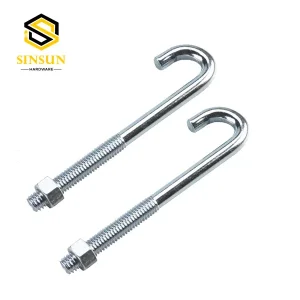
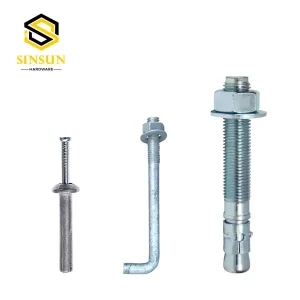
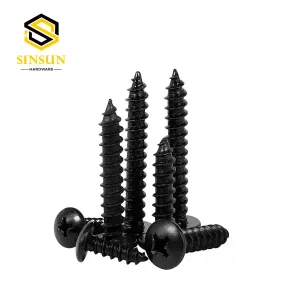
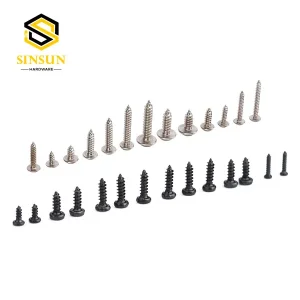
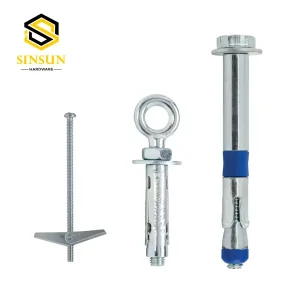
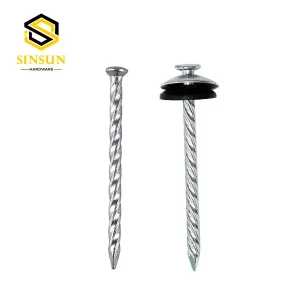
A diverse range of structural anchor bolts, self-tapping screws, and specialty fasteners.
We provide customized solutions for global OEMs and distributors. Submit your specification drawings and receive a detailed quote within 48 hours.
Get a Quick Quote