1 / 1

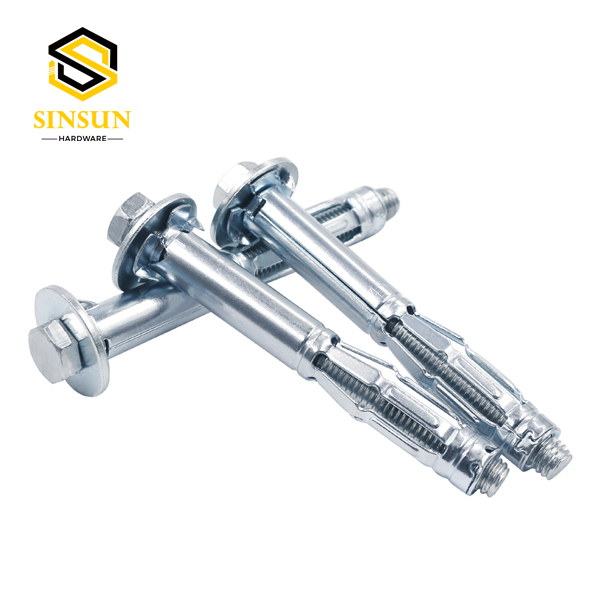
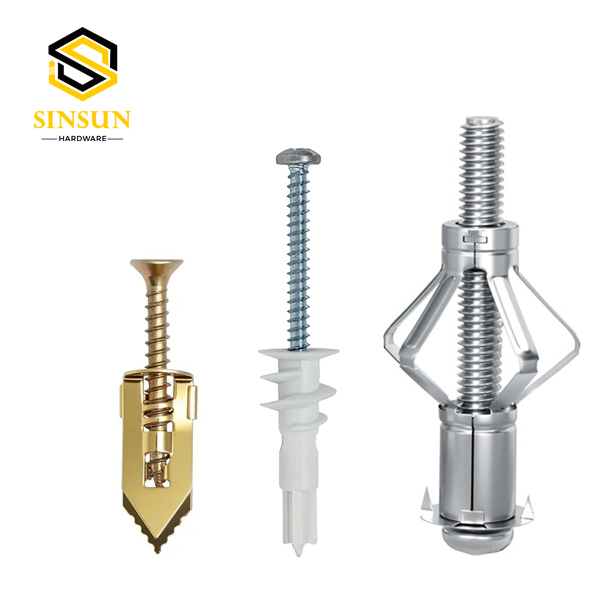
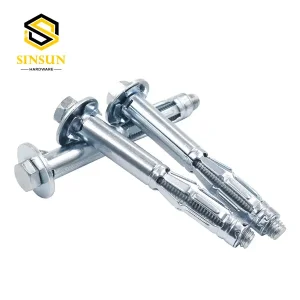
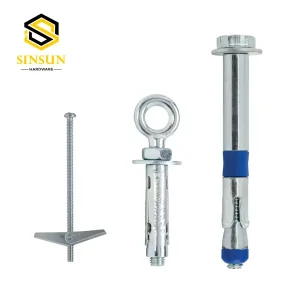
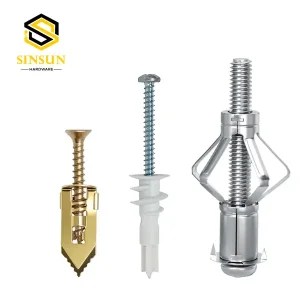
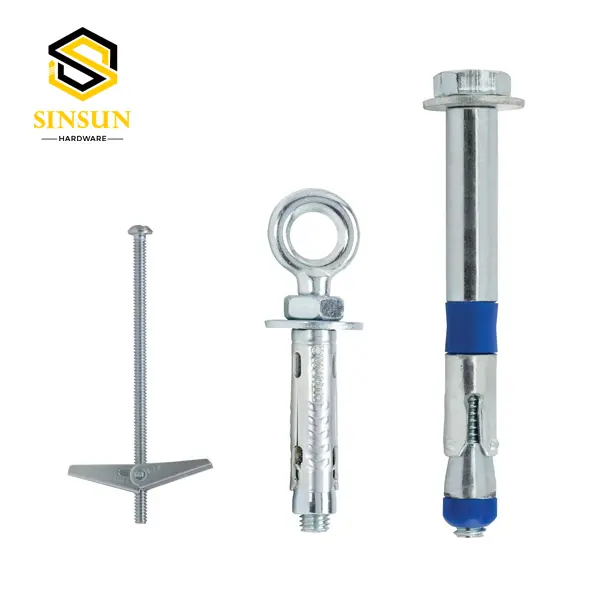
Molly anchors are ideal for medium-duty fastening in hollow walls such as drywall, plaster, and hollow tiles. They expand behind the wall surface to provide a secure hold and allow for the screw to be removed and replaced without weakening the anchor.
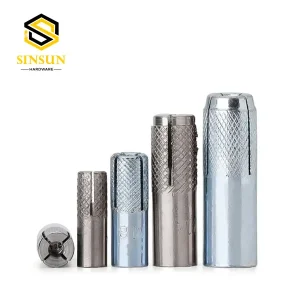
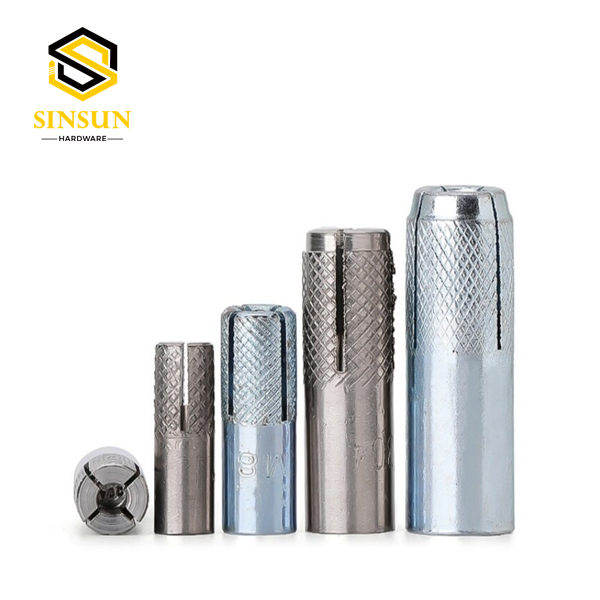
Drop-in anchors are designed for installation in solid concrete. You drill a hole, insert the anchor, and use a setting tool to expand the internal plug, which locks the anchor firmly into place. They are commonly used for overhead pipes, ducts, and structural steel framing.
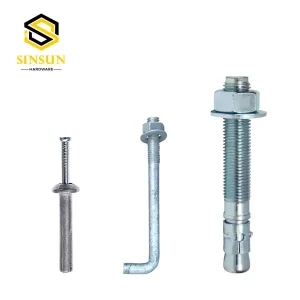
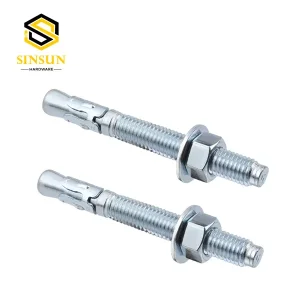
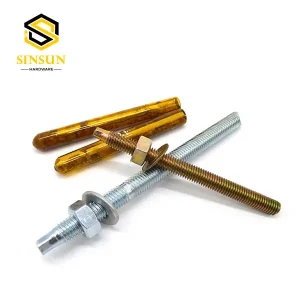
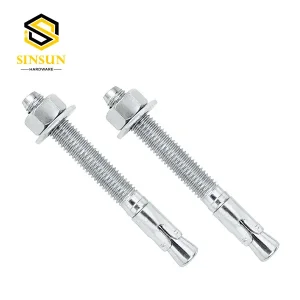
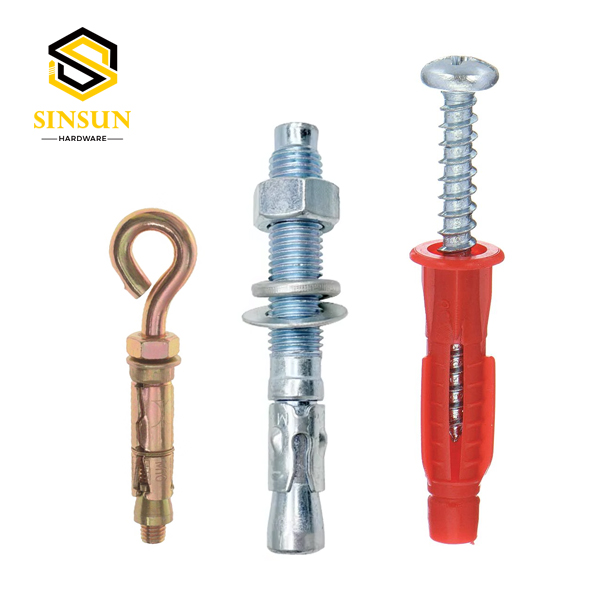
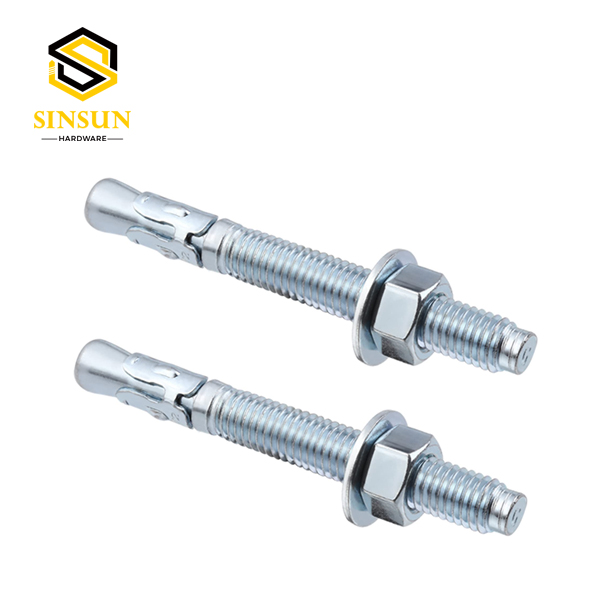
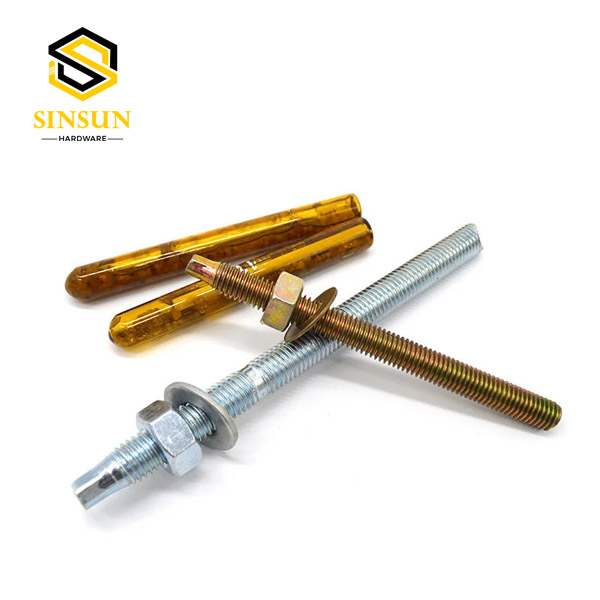
Wedge anchors use mechanical expansion to secure themselves in solid concrete, which creates stress on the concrete. Chemical anchors use an adhesive resin to bond the anchor to the material, which distributes load evenly without expansion stress, making them perfect for edge-close installations or softer masonry.
No, it is not recommended to reuse drywall anchors or insert a new anchor into the same hole. The integrity of the drywall surrounding the hole is typically compromised when an anchor is removed, so you should create a new drilling point.
Choosing the correct size depends on the weight of the object, the thickness of the fixture, and the base material. Standard calculations involve verifying the manufacturer's load charts for pull-out and shear strength based on the anchor's diameter and embedment depth.