1 / 1

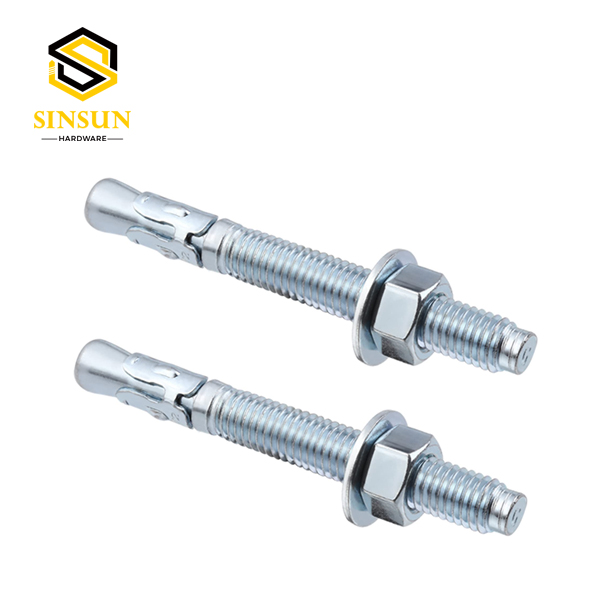
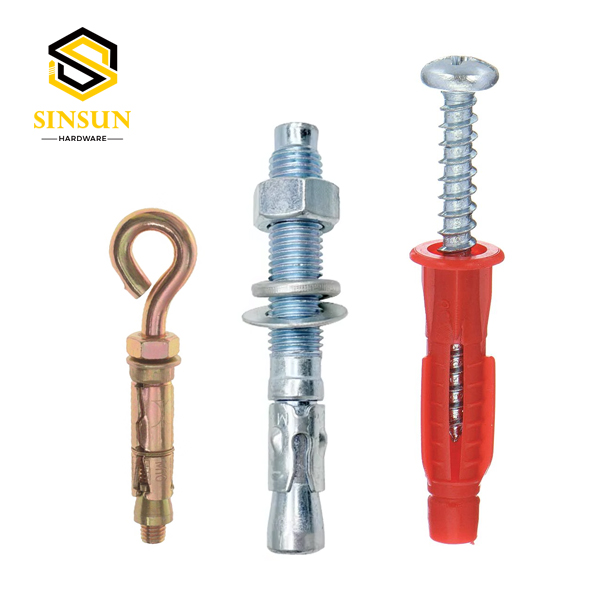
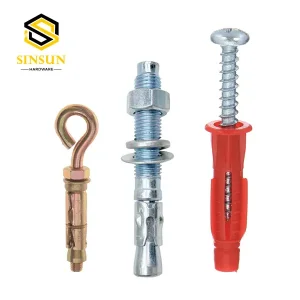
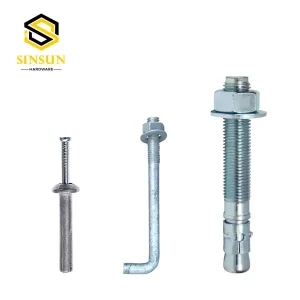
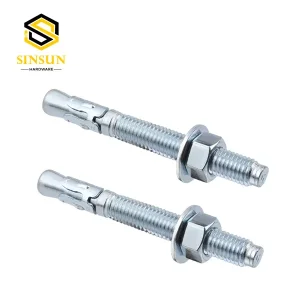
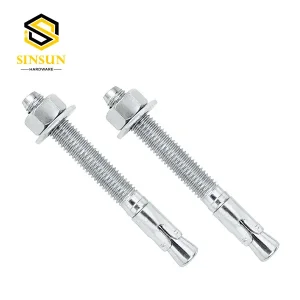
Wedge anchors are a specific type of expansion anchor designed exclusively for solid concrete. Once installed, tightening the nut draws the wedge upward, expanding the sleeve against the concrete. Other expansion anchors may be used in brick or block, depending on their design.
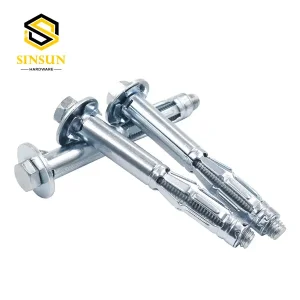
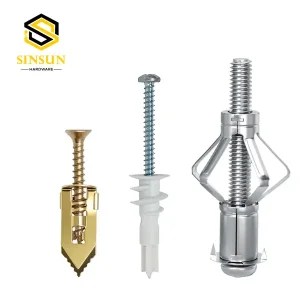
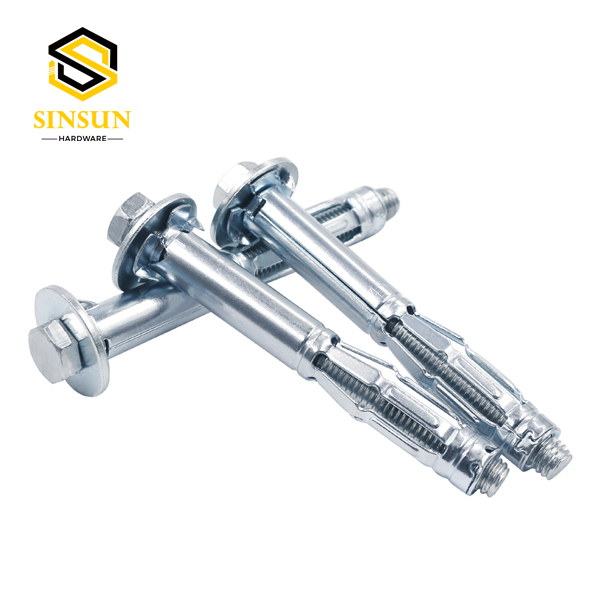
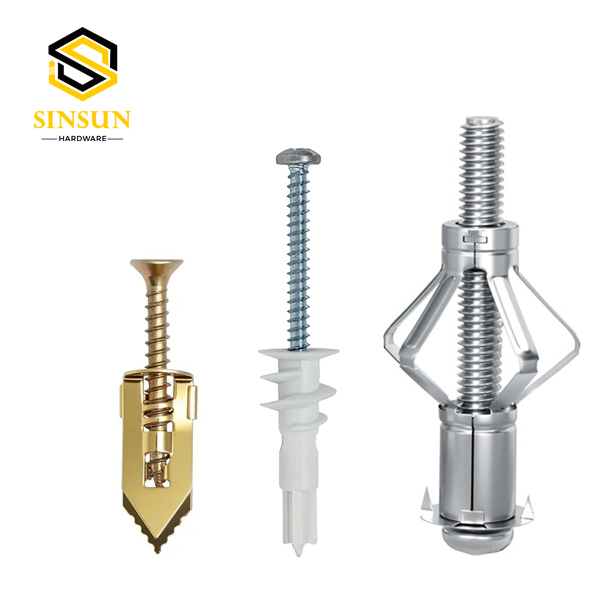
Molly anchors are ideal for hollow walls such as drywall or plaster. When tightened, the sleeve collapses behind the wall to distribute the load over a wider area, providing a secure hold for medium-weight items.
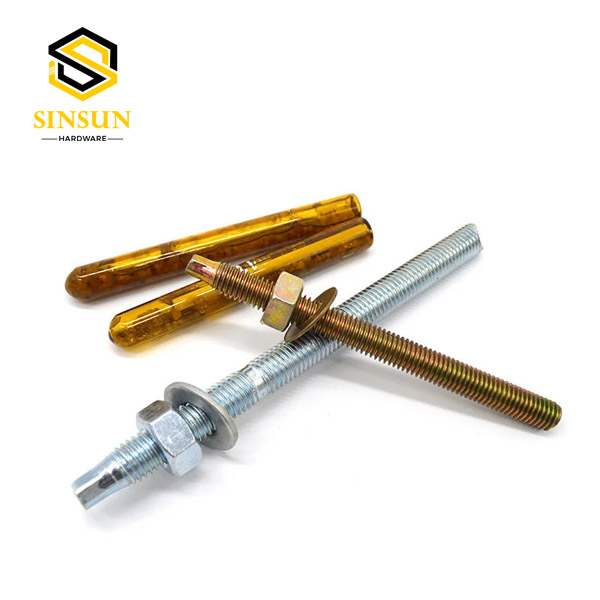
Chemical anchors use a resin-based adhesive that bonds directly with the surrounding concrete or masonry. They are perfect for high-load applications, close-to-edge spacing, and situations where mechanical expansion might cause cracking in the base material.
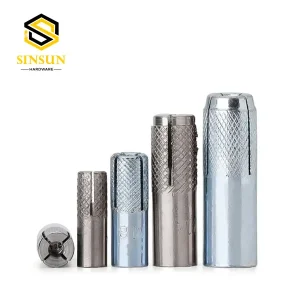
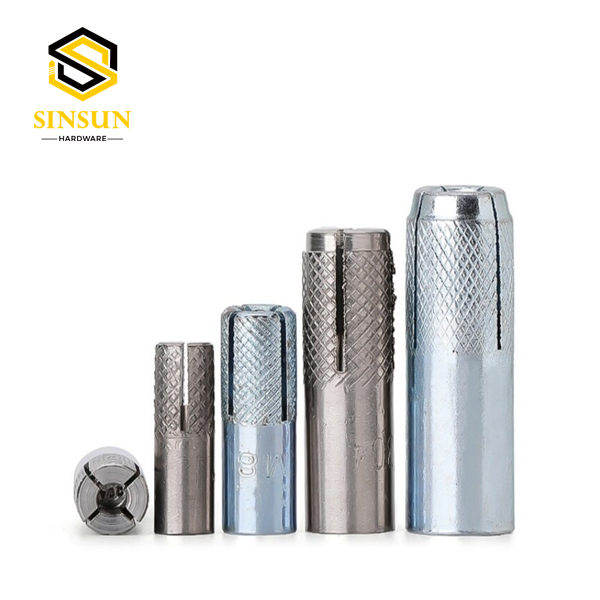
To install a drop-in anchor, drill a hole to the specified depth, clean the hole of dust, insert the anchor, and then use a setting tool with a hammer to drive the internal plug down, which expands the anchor inside the concrete.
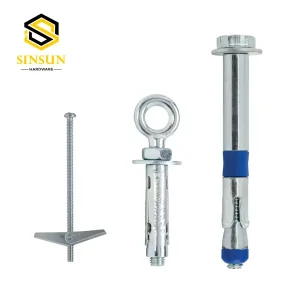
Yes, many drywall anchors can be used in plaster, but you must choose the right type. Toggle bolts or threaded drywall anchors are typically better suited for the brittle nature of older plaster-and-lath walls than simple plastic expansion plugs.