1 / 1

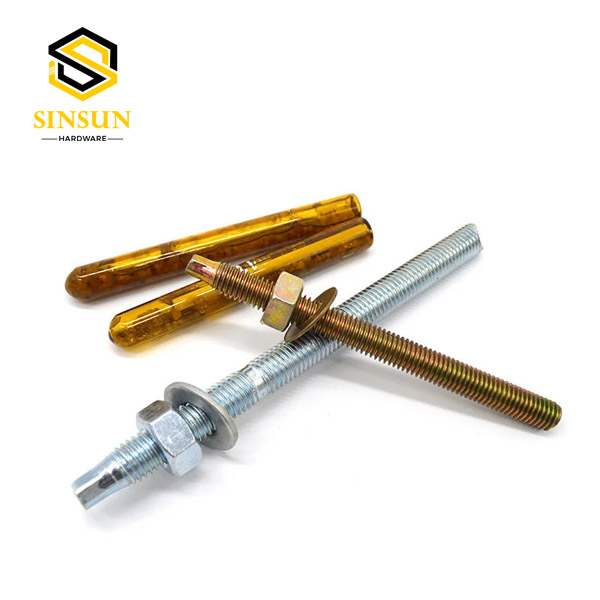
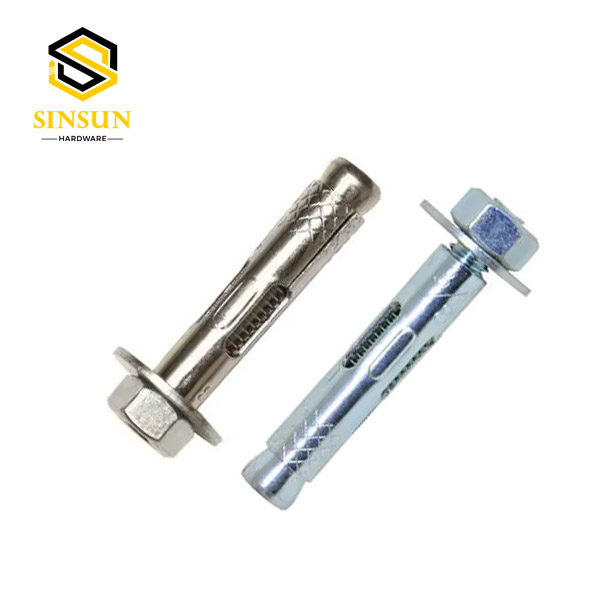
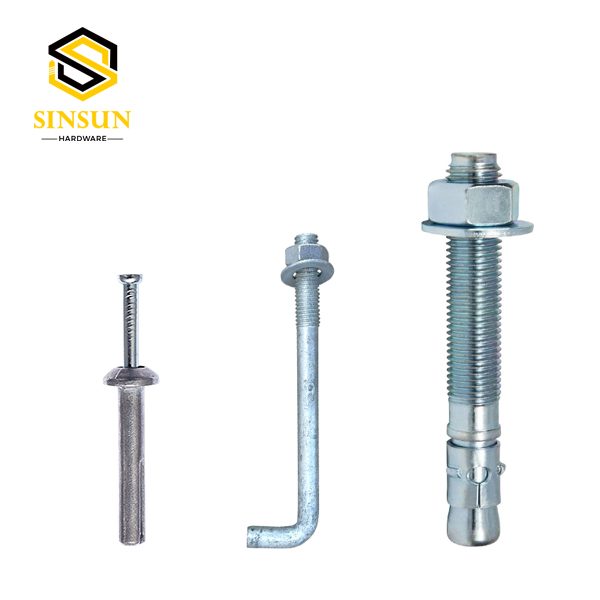
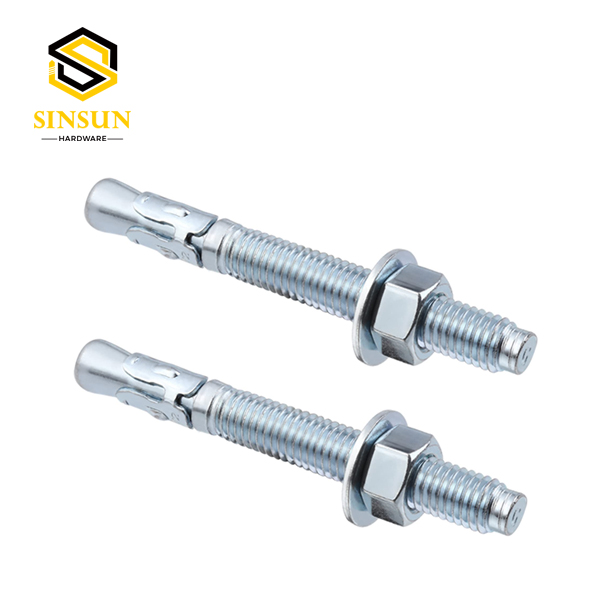
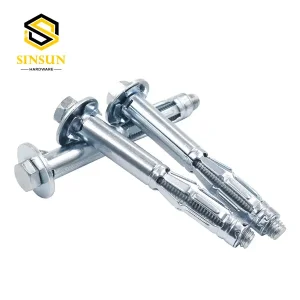
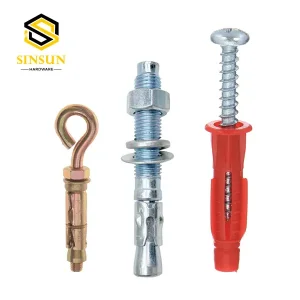
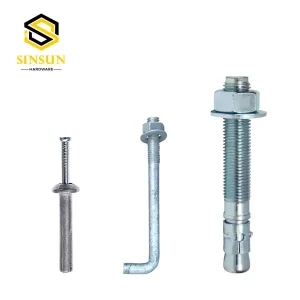
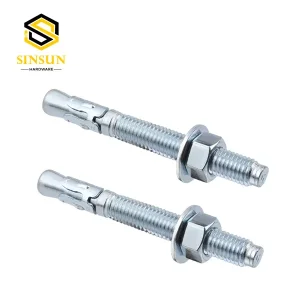
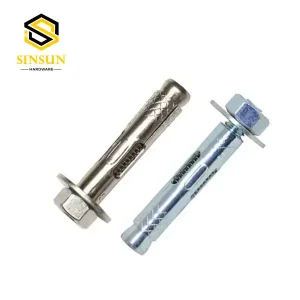
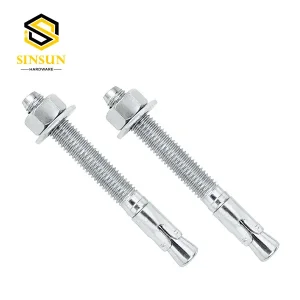
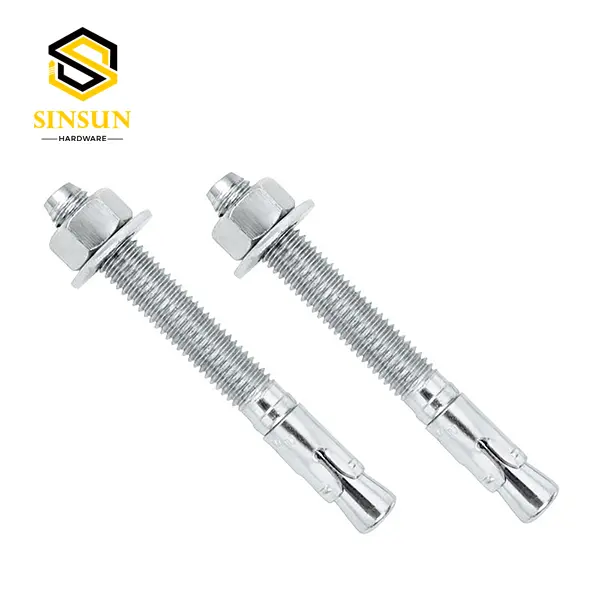
Wedge anchors require a solid concrete base material and are designed for heavy-duty applications. Sleeve anchors are more versatile and can be used in concrete, brick, or block base materials, typically handling medium-duty loads.
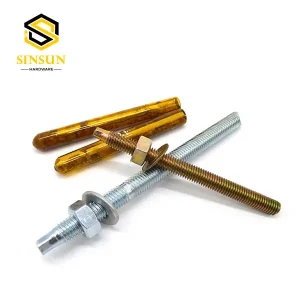
Chemical anchors are ideal for high-load installations where mechanical anchors might fail, such as in close-to-edge applications or weak masonry. They distribute the load along the entire embedment depth and provide a completely stress-free fixing.
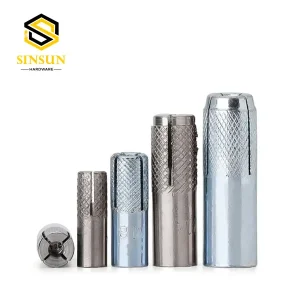
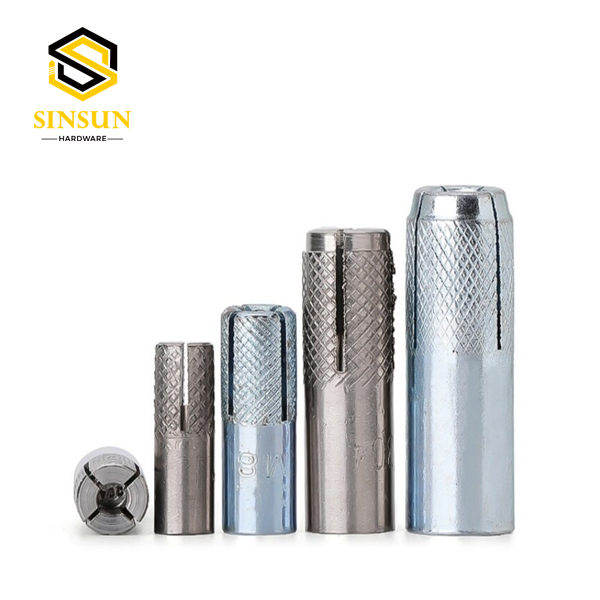
Drop-in anchors feature an internally threaded expansion shell that is placed into a pre-drilled hole. A setting tool is then used to drive an internal plug downwards, expanding the anchor body against the concrete walls.
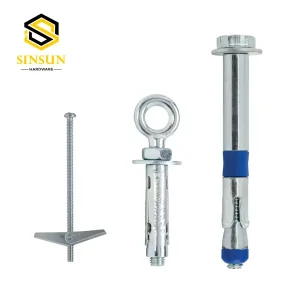
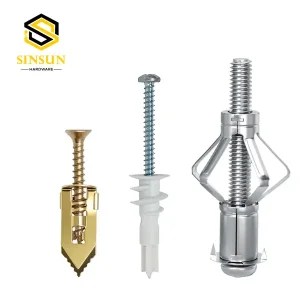
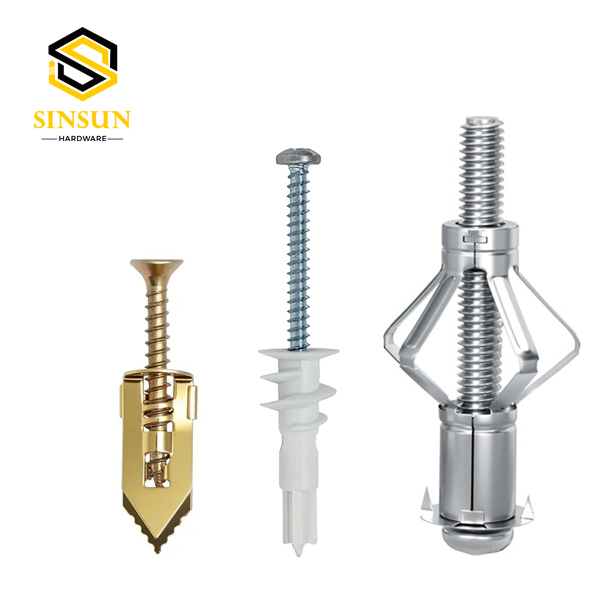
For heavier drywall applications, toggle bolts or heavy-duty self-drilling metal anchors are recommended. Standard plastic expansion anchors are best suited for lightweight items like small picture frames.
The embedment depth depends on the anchor size and load requirements. As a general rule, standard installation requires a hole depth equal to the length of the anchor minus the thickness of the fixture being secured, ensuring proper expansion depth.