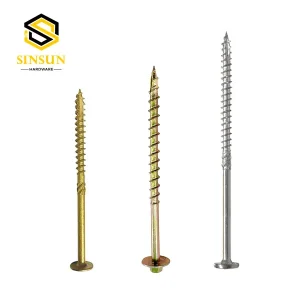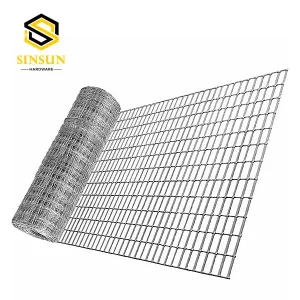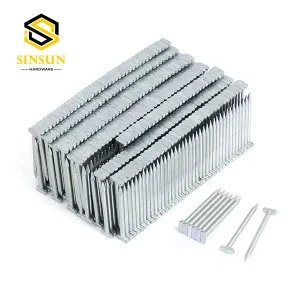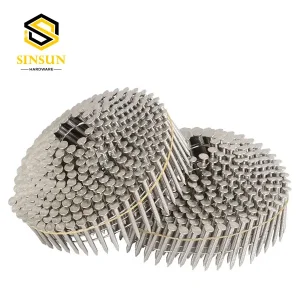
Explore our high-performance industrial fasteners engineered for structural integrity, extreme load distributions, and high vibration resistance.
In modern industrial assembly, fastener loosening due to transverse vibration and dynamic cyclic stress is a major engineering challenge. Standard hex nuts often fail under continuous shearing loads. The introduction of Flange Lock Nuts (complying with DIN 6926, EN 1663, and IFI-100/107 standards) has significantly enhanced structural joint safety. By integrating a wider load-distributing flange and a locking element—such as serrations or a prevailing torque nylon insert—these components eliminate the need for secondary washers, simplifying assembly and reducing material weight.
The engineering design of a flange lock nut addresses two key issues: bearing surface pressure and torque decay. The wide flange face spreads the clamping force over a larger surface area, mitigating surface crushing on softer clamping substrates like aluminum or composite panels. At the same time, the locking mechanism prevents the nut from backing off under high dynamic loading conditions.
"By combining the surface area distribution of a washer with the friction-increasing capabilities of a locking mechanism, flange lock nuts reduce the mechanical complexity of joint interfaces while preventing vibrational loosening in harsh environments."
Selecting the right flange lock nut requires analyzing the thermal, chemical, and mechanical environment of the application:
From automotive assembly lines in Munich to solar fields in Chile, OEM flange lock nuts ensure structural stability and assembly efficiency across diverse sectors.
In high-vibration automotive settings like suspensions, engine mounts, and exhaust systems, serrated and nylon flange lock nuts prevent loosening under dynamic shear stress, reducing warranty issues and vehicle downtime.
Utility-scale solar trackers require fasteners that can withstand wind shear for 25+ years. High-grade galvanized and stainless steel flange nuts provide reliable clamp force and corrosion resistance in harsh outdoor environments.
For mining and agricultural machinery exposed to shock loads and physical impacts, all-metal prevailing torque flange nuts maintain clamp force, helping prevent structural failures during operation.
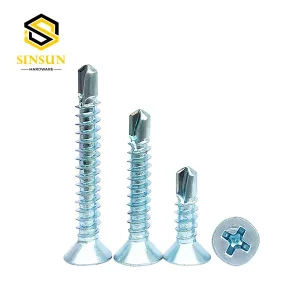
Founded in 2006, Sinsun Hardware has grown from a specialized manufacturer into a leading global supplier of high-precision industrial fasteners. We operate a 30,000 sqm integrated production facility in Northern China, specializing in high-volume, precision-engineered fasteners like self-tapping screws and flange lock nuts. Our advanced machinery and rigorous quality control ensure high-speed production that meets strict international standards.
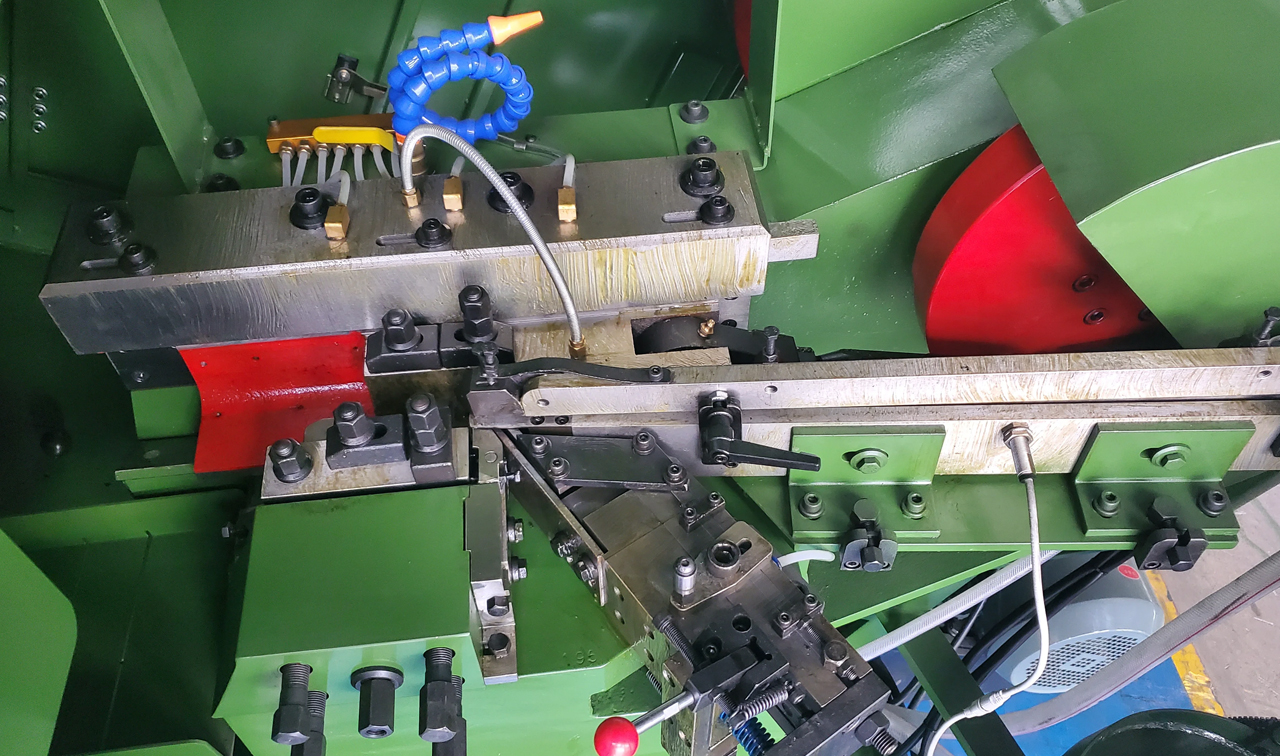
Our manufacturing capacity is anchored by German-imported multi-station cold heading machines and Taiwanese production technology. This setup enables high-speed cold forging with dimensional accuracy within a ±0.02mm tolerance. Cold forming reorganizes the grain flow of the steel along the nut's contours, significantly increasing shear strength and load capacity compared to standard machined parts.
We source our raw materials exclusively from premier steel mills, including Xingtai Steel and Ansteel Group. By using high-grade C1022A carbon steel and alloy steels, we can control the microstructure of our fasteners right from the wire drawing stage. Annealing processes prepare the material for cold forging, minimizing internal stresses and helping prevent defects during high-speed threading operations.
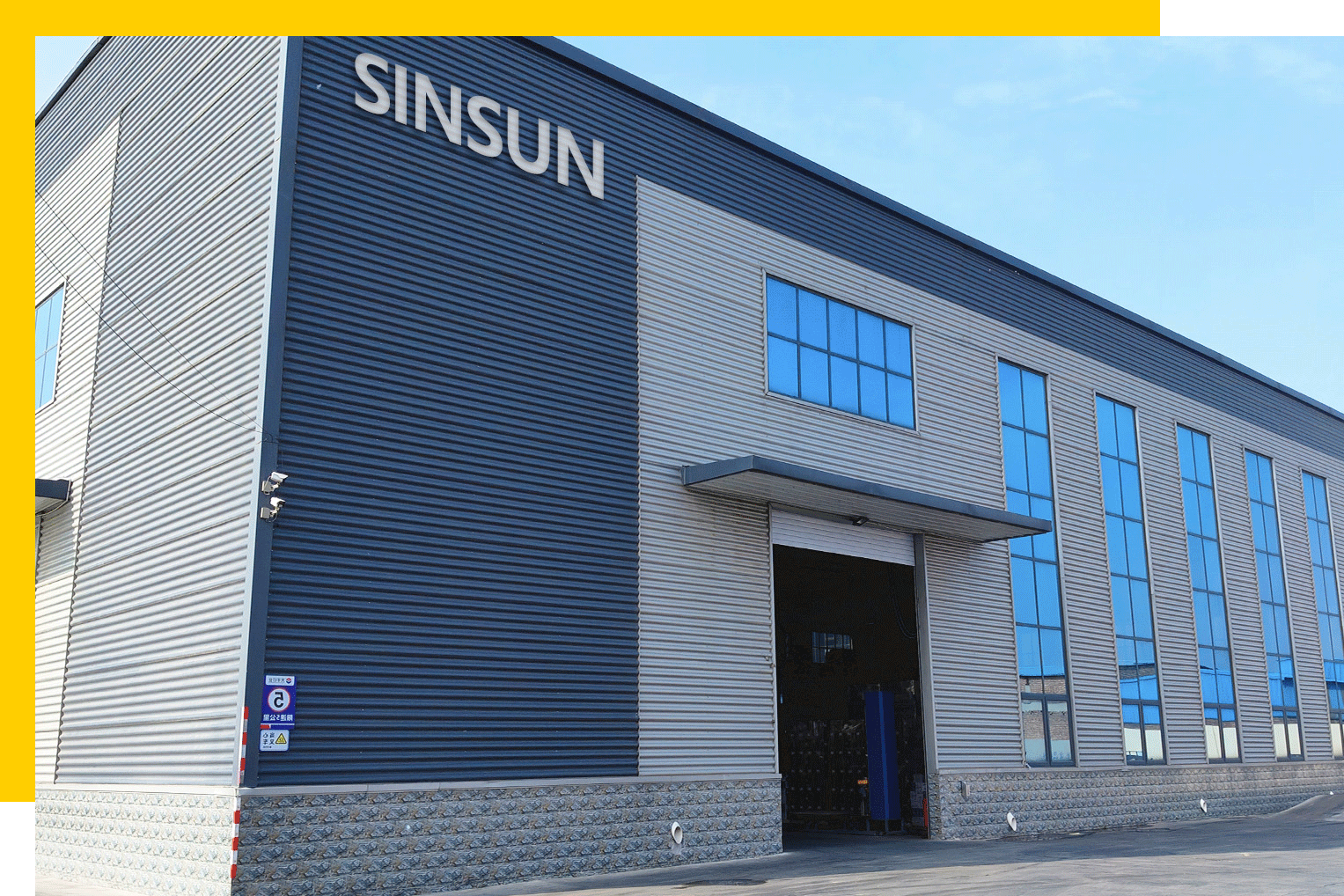
Our integrated manufacturing process manages every stage of production—from raw material drawing to controlled atmosphere heat treatment—to deliver consistent fastener quality.
At Sinsun, heat treatment is a critical phase for achieving the required mechanical properties. We run four specialized, continuous heat treatment lines that process 20 tons per day. Under protective atmospheres, we precisely control oil quenching and tempering cycles to achieve a consistent core hardness of HRC 28-32 and tensile strengths exceeding 1000 MPa.
Our process control protects against hydrogen embrittlement—a common cause of sudden fastener failure in high-strength applications. By tempering soon after quenching, we relieve internal stresses and stabilize the material's grain structure.
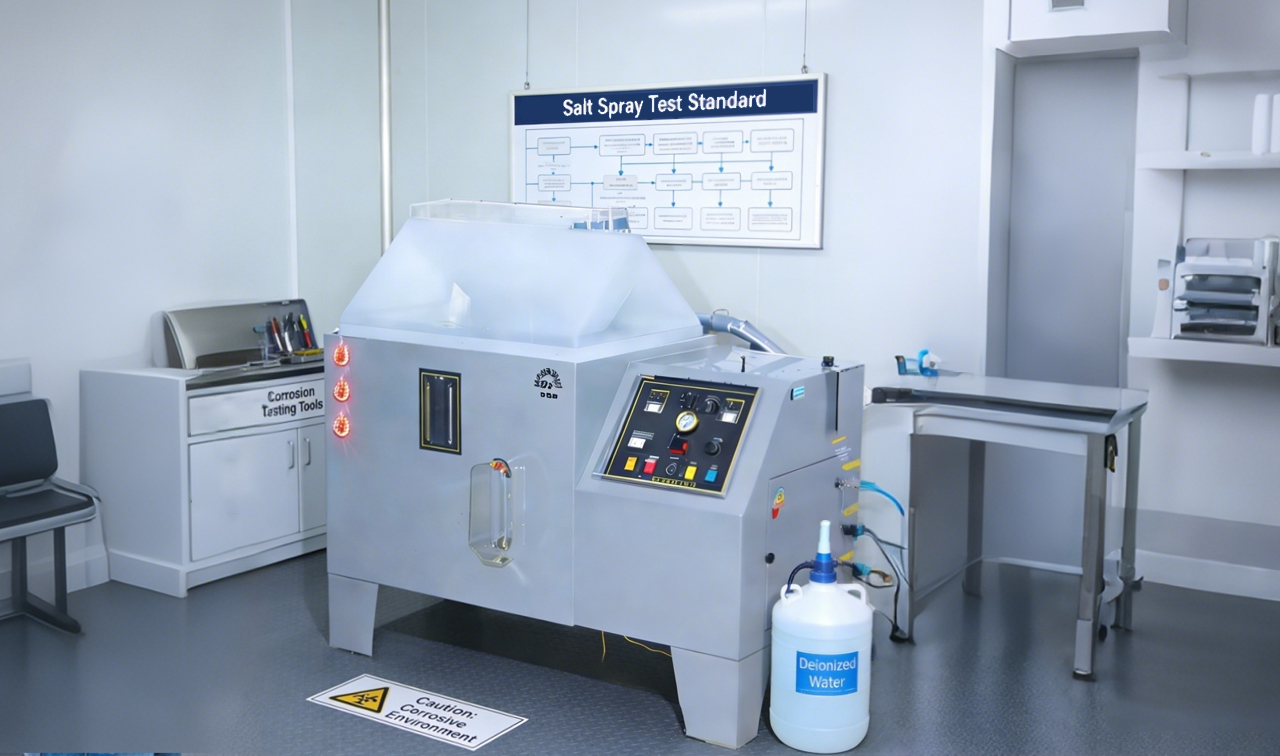
To meet varied corrosion protection requirements, we offer several surface treatment options, including trivalent zinc plating, zinc-nickel alloy coatings, and Dacromet coating. Our surface finishes are designed for salt spray resistance of up to 1,000 hours, helping extend joint lifetimes in demanding marine and industrial environments.
| Parameters | Industrial Standards | Sinsun Capabilities |
|---|---|---|
| Core Hardness | ISO 898-2 Standard | HRC 28 - 32 (Controlled) |
| Tensile Strength | Min 800 - 1040 MPa | Up to 1,100 MPa Max |
| Pitch Accuracy | Class 6g/6H | Within ±0.02 mm Tolerance |
| Salt Spray Resistance | ASTM B117 / ISO 9227 | Up to 1,000+ Hours (Dacromet) |
| Thread Concentricity | DIN Standard | Highly Concentric (≤0.04mm deviation) |
We work closely with client engineering departments to transition customized fastener drawings into high-volume production with reliable quality control.
We analyze the application's mechanical load, operating environment, and corrosion protection needs to establish key fastener specifications.
Using 3D CAD modeling and finite element analysis (FEA), we optimize the flange dimensions and thread configuration prior to physical tooling.
We supply sample components from pilot runs for evaluation, including torque-tension and salt spray testing, to verify they meet application requirements.
Once approved, mass production is managed through our ERP system to monitor scheduling, production rates, and material traceability across batches.
We conduct multi-stage quality control checks, including dimensional inspection and mechanical testing, to verify consistent quality across every batch.
With our 12,000 sqm smart warehouse, we offer customized packaging, direct shipping container loading, and logistics support to global destinations.
Read how our technical team has engineered custom solutions to meet demanding mechanical design and application challenges.
The Challenge: An automotive supplier required a custom flange fastener that could withstand high vibrations and heat cycles in engine applications.
The Solution: We developed a customized alloy steel flange nut with a modified lock thread profile, managing physical testing and production to meet automotive standards.
The Result: The design provided a 15% weight reduction while maintaining clamping force throughout vibration testing, integrating smoothly into the client's assembly line.
The Challenge: A marine contractor needed high-tensile fasteners that could resist salt-spray corrosion in marine environments.
The Solution: We supplied duplex stainless steel components with a specialized passivation coating, accompanied by material certification and traceability documentation.
The Result: The fasteners met corrosion resistance specifications, supporting the structural lifetime requirements of the marine installation.
The fastener industry is evolving to meet new demands for lightweighting, automated assembly compatibility, and sustainability. As manufacturing technologies advance, flange lock nut designs are changing to support these shifts:
Environmental standards like RoHS and REACH are driving the replacement of traditional hexavalent chromium finishes. The industry is moving toward chrome-free thin-film zinc flake coatings and organic topcoats. These alternatives provide high corrosion resistance with a thinner layer, helping to maintain thread clearances and reduce environmental impact.
With industries like automotive and aerospace focusing on weight reduction, there is growing interest in titanium, aluminum-lithium, and polymer composite fasteners. We are expanding our development of custom flange nuts designed to secure light alloys without causing galvanic corrosion or component damage.
Automated assembly lines require fasteners with highly consistent dimensions to prevent feeder jams. Sinsun maintains strict control over geometric dimensional tolerances, ensuring that our flange lock nuts interface reliably with high-speed automated assembly equipment.
Our state-of-the-art testing facility is equipped to perform comprehensive testing on finished fasteners, verifying the mechanical properties of each batch:
Get detailed insights on order terms, mechanical properties, and custom manufacturing capabilities.
Explore the rest of our product range, engineered for reliability across a wide range of industrial applications.