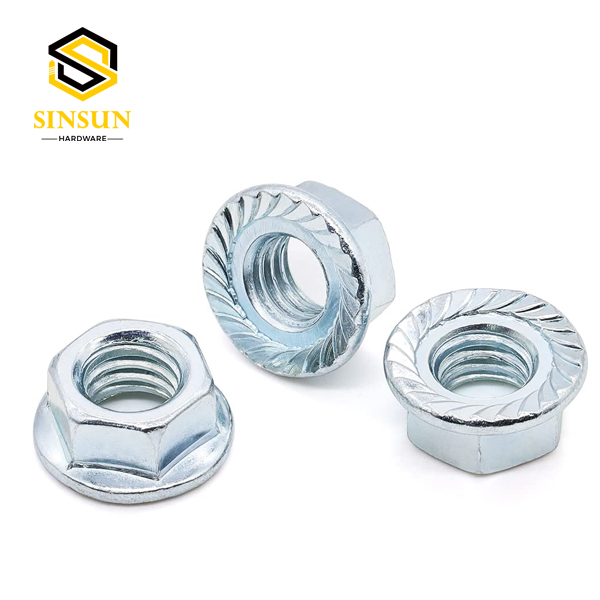
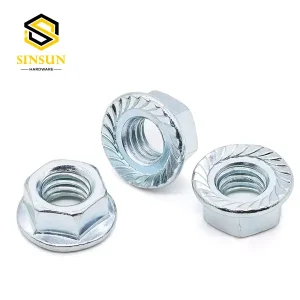
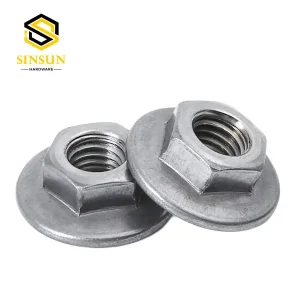
A flange nut has a wide circular flange at one end that acts as an integrated washer. This helps distribute the pressure of the nut over a larger surface area, securing the connection and preventing damage to the mating material.
Q2:
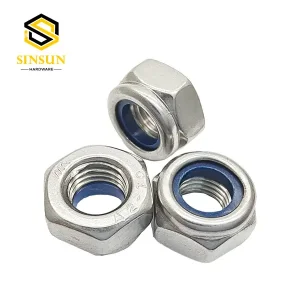
How do Lock Nuts prevent loosening?
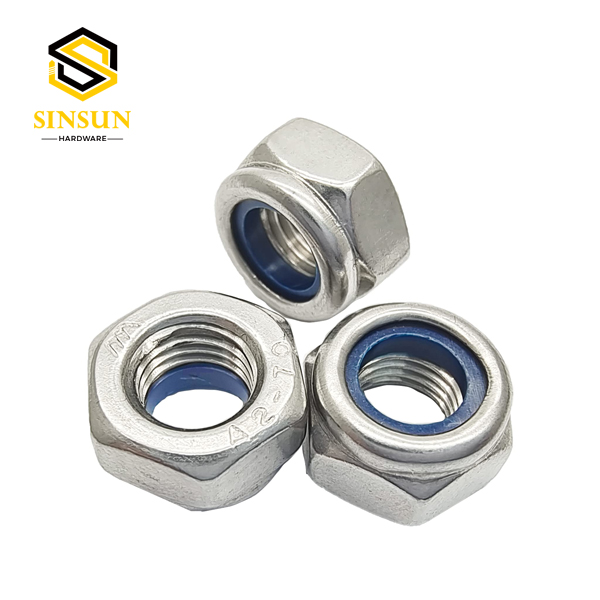
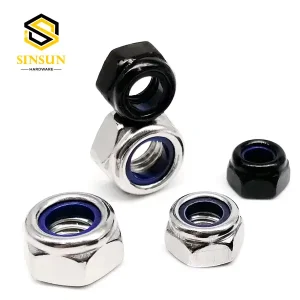
Lock nuts are engineered with special locking features, such as nylon inserts or deformed threads, which increase friction on the bolt thread. This extra grip prevents the nut from backing off due to heavy vibration or rotation.
Q3:
When should you choose a Hex Nut over other types?
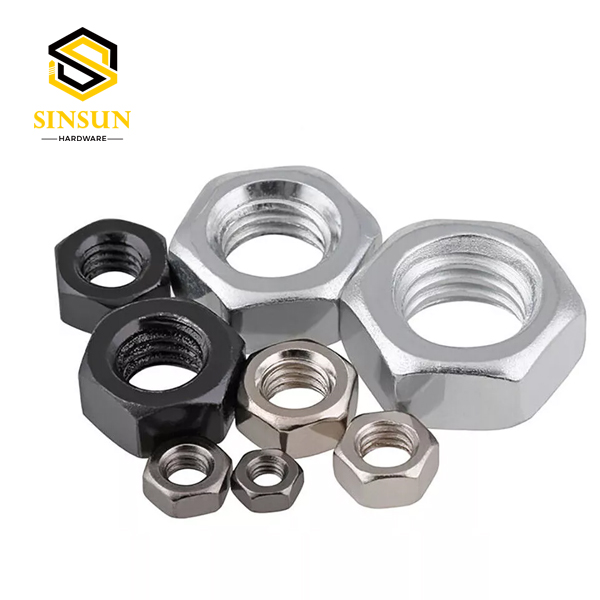
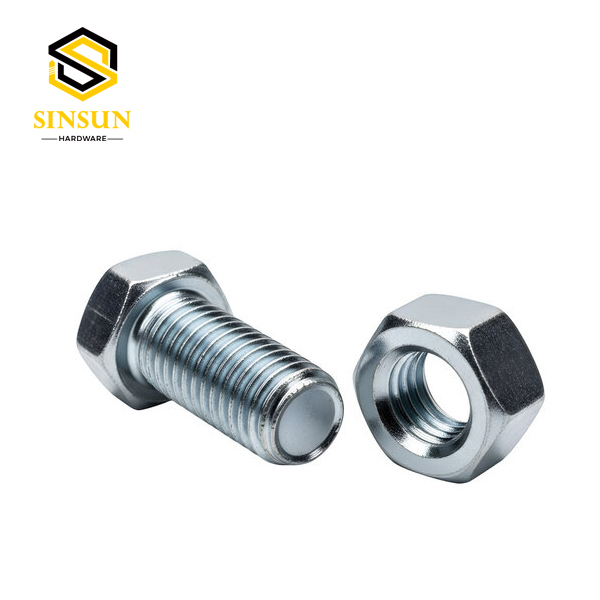
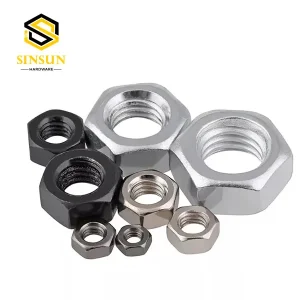
Hex nuts are the most common fastener design. Their six-sided shape offers excellent wrenching angles for easy tightening and loosening, making them the standard choice for general mechanical and structural applications.
Q4:
What are the benefits of using an Acorn Nut?
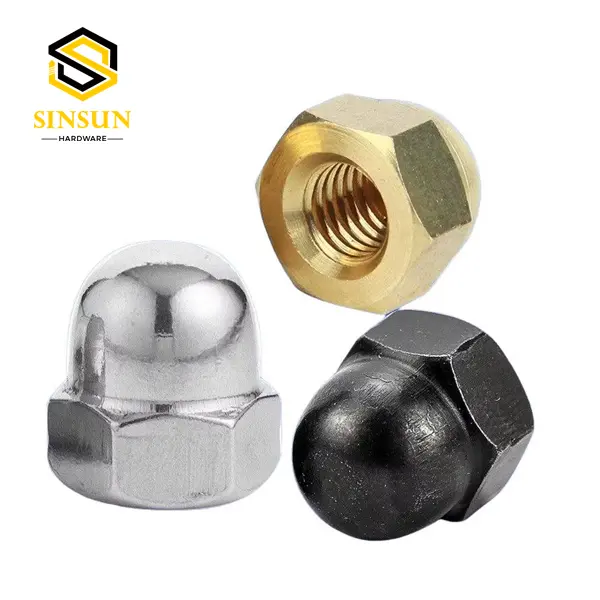
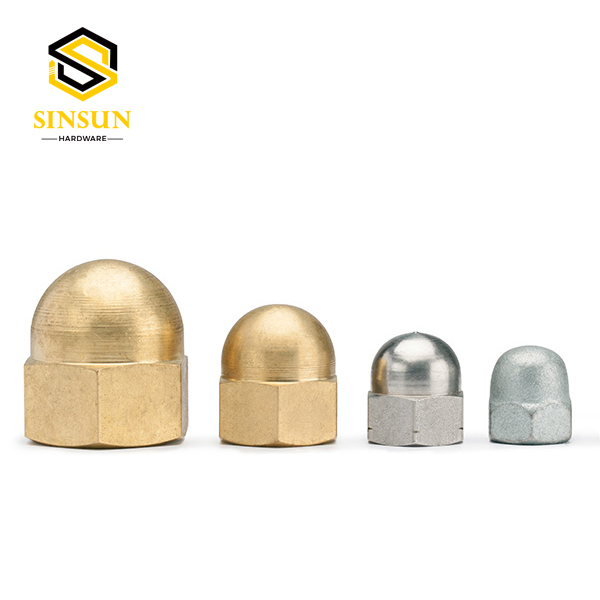
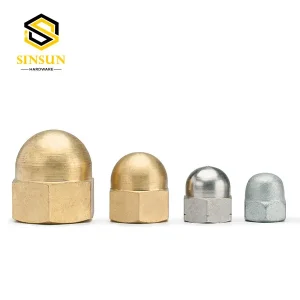
Acorn nuts, also known as cap nuts, feature a protective dome structure that covers the exposed bolt end. This protects the threads from moisture and corrosion while preventing accidental cuts or scrapes from sharp edges.
Q5:
Are Square Nuts still utilized in modern industrial assemblies?
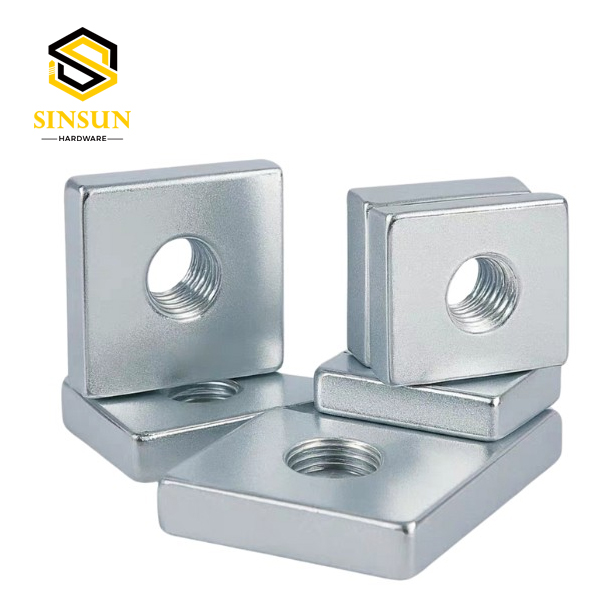
Yes, square nuts are still used in custom metal channels, heavy machinery, and electrical installations. Their flat edges provide more surface area contact with the tool, allowing for high torque resistance and stable positioning.