1 / 1

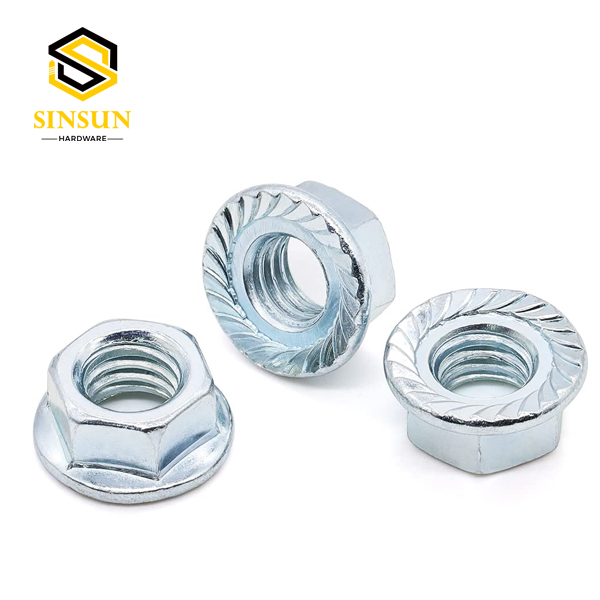
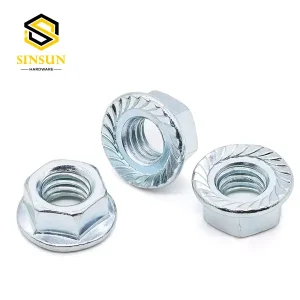
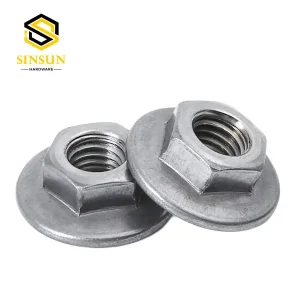
A flange nut is designed with a wide circular flange at one end, which acts as an integrated, non-spinning washer. This helps distribute the pressure of the nut over the part being secured, reducing the chance of damage to the surface and making it less likely to loosen on uneven surfaces.
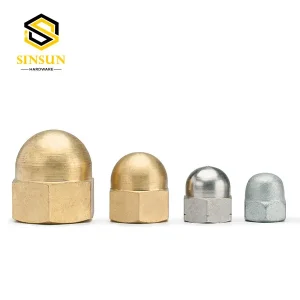
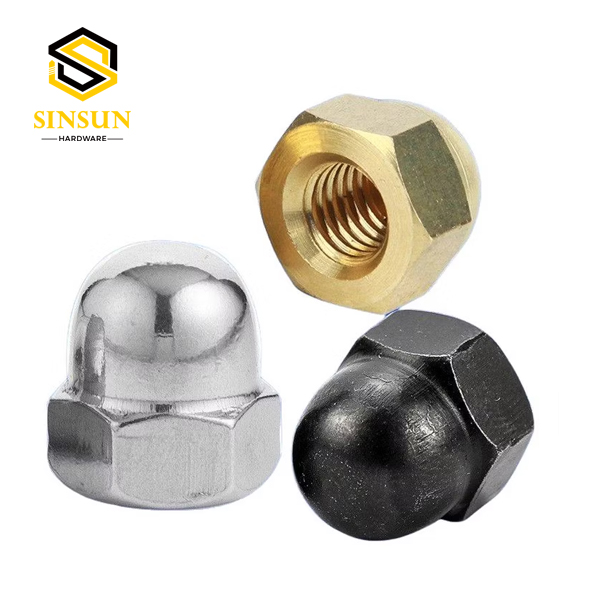
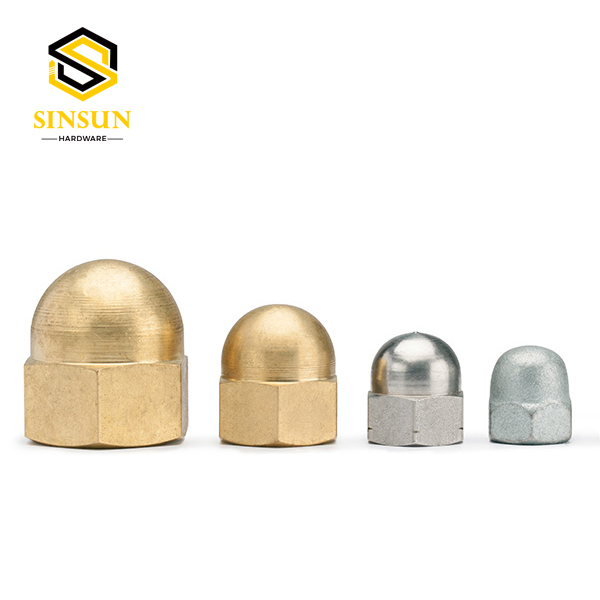
Both Crown Cap and Acorn Nuts are used to cover exposed threads of bolts for aesthetic and safety reasons. They prevent contact with sharp threads, protecting nearby objects or personnel from accidental injury.
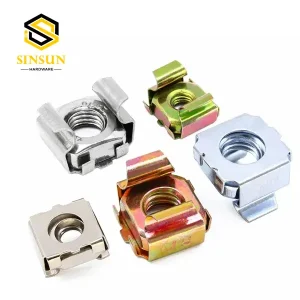
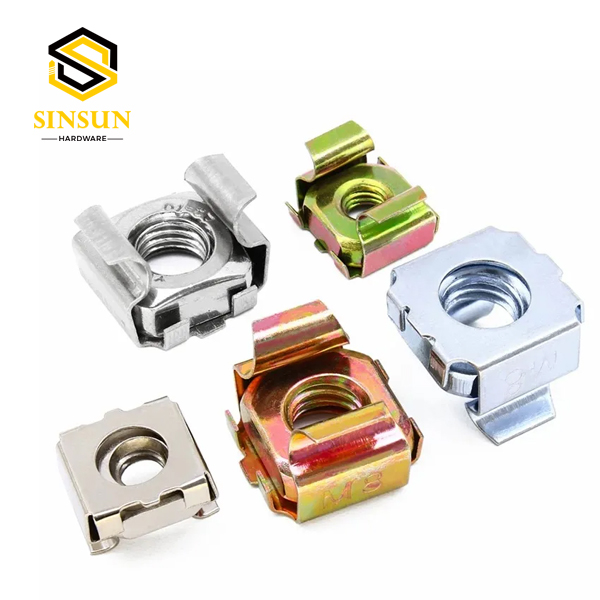
Cage nuts consist of a standard nut encased in a spring steel cage with wings. This design allows them to be slipped easily into square mounting holes, commonly found in server racks, networking equipment enclosures, and automotive assembly lines.
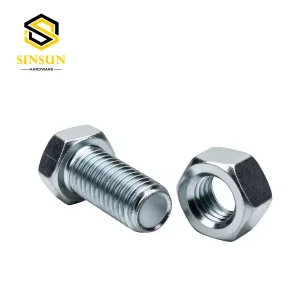
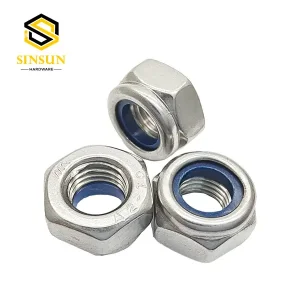
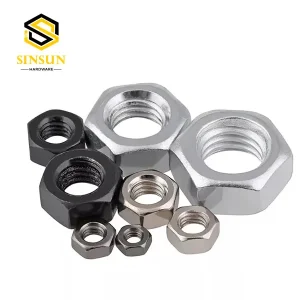
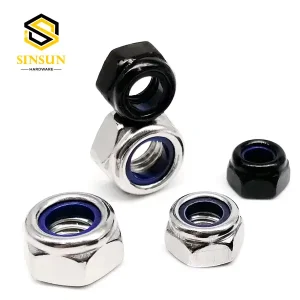
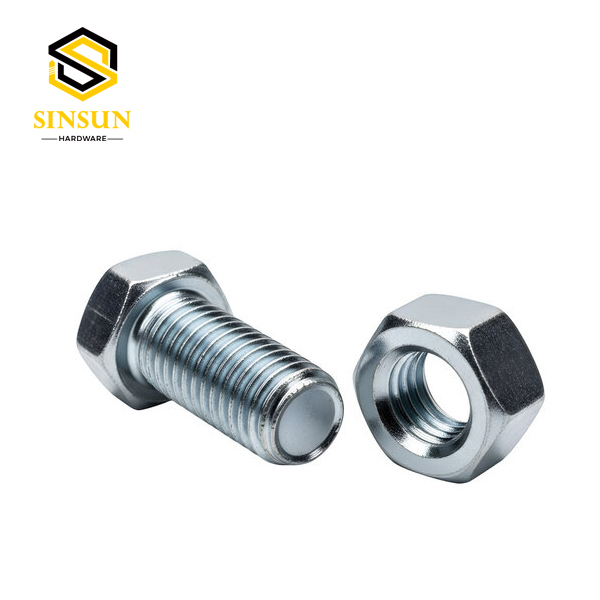
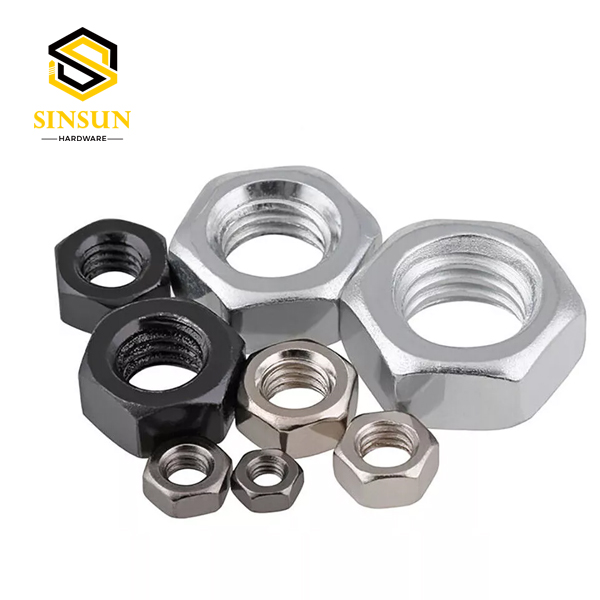
Hex nuts provide six flat sides that allow tools (like wrenches or sockets) to apply high torque when tightening onto a bolt. For added security in high-vibration applications, they can be paired with lock washers or nylon locking rings.
Industrial nuts are typically manufactured using carbon steel, stainless steel, and alloy steel. These materials are chosen for their high tensile strength, durability, and options for corrosion-resistant coatings such as zinc plating or black oxide.