1 / 1

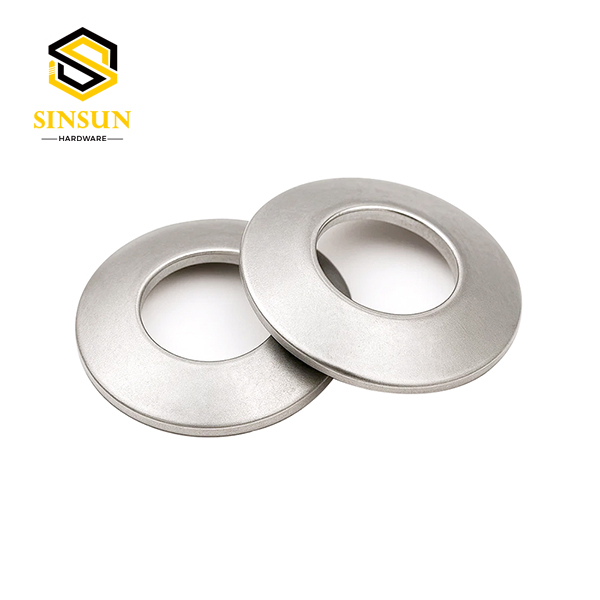
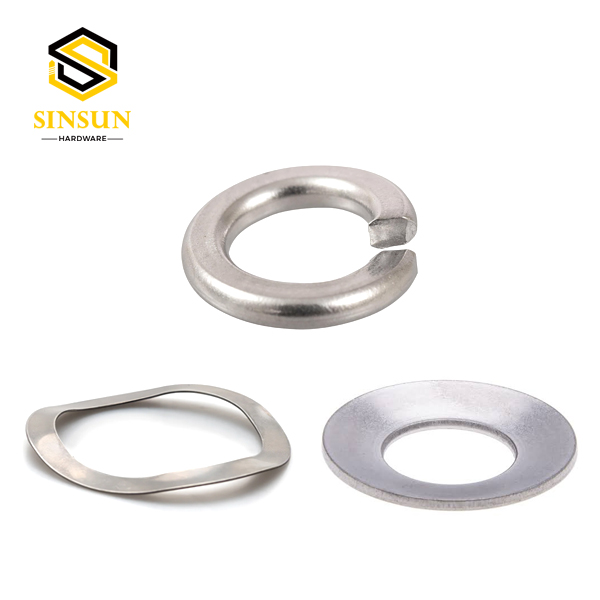
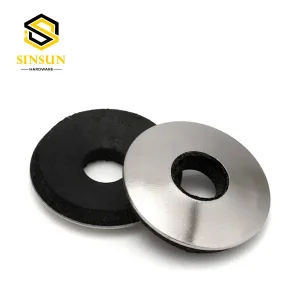
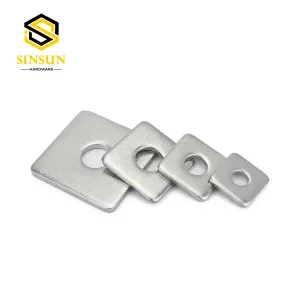
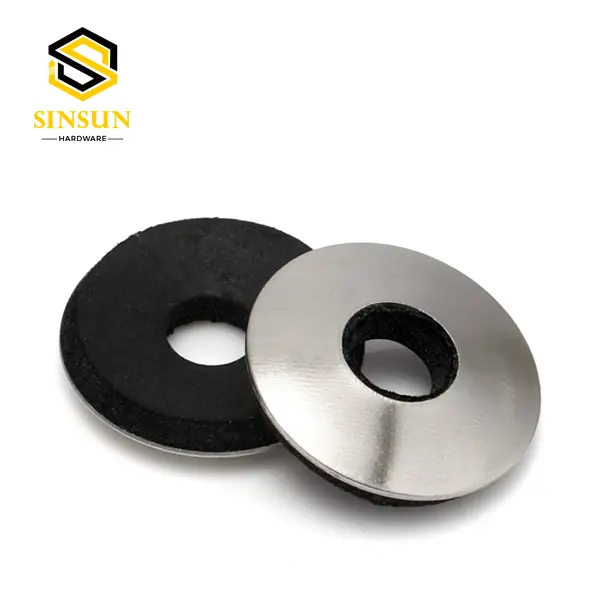
Washers are primarily used to distribute the load of a threaded fastener, prevent surface damage to the materials being joined, and bridge oversized holes to ensure a secure connection.
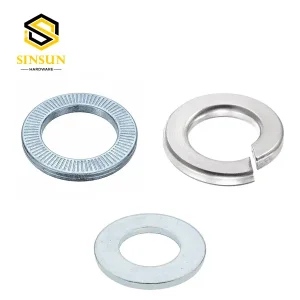
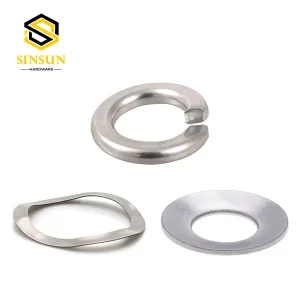
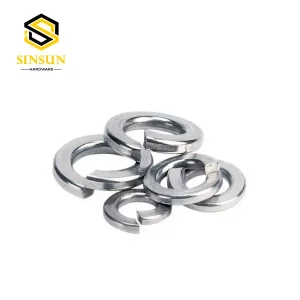
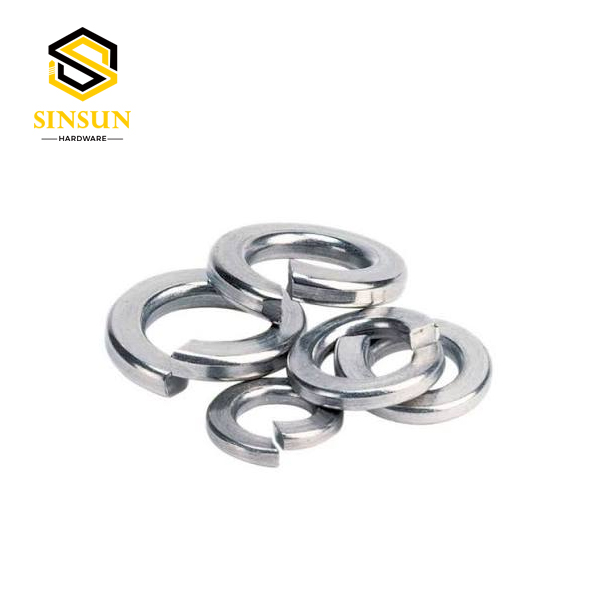
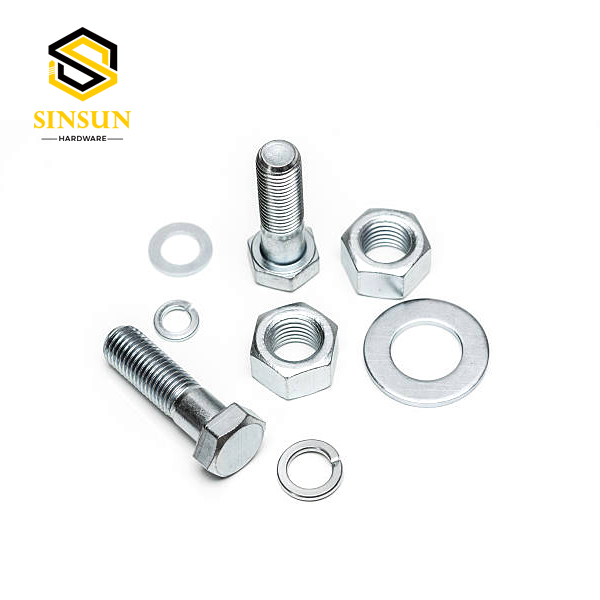
Lock washers, such as split or spring washers, apply continuous spring tension against the fastener head or nut. This increases friction and resists rotational movement caused by vibrations or thermal expansion.
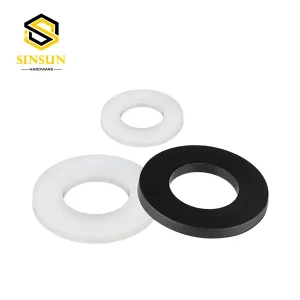
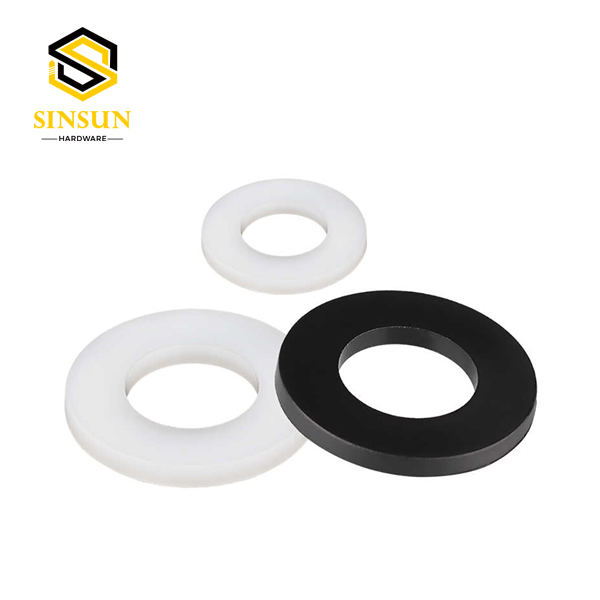
Nylon washers are preferred when electrical insulation, chemical resistance, vibration dampening, or lightweight properties are required. They also protect fragile surfaces from scratching during assembly.
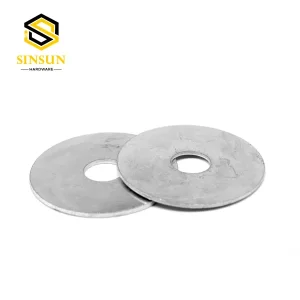
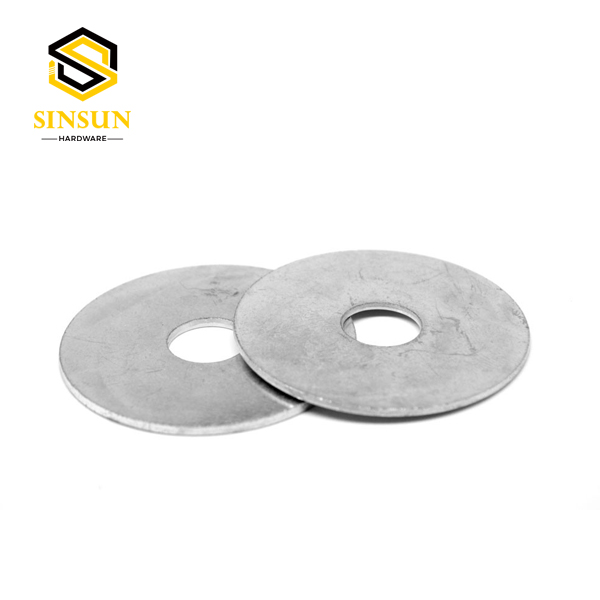
Fender washers have a significantly larger outer diameter compared to their inner hole size. This design allows them to distribute the clamping force over a much wider surface area, making them ideal for thin metals, wood, and plastics.
It is recommended to replace spring washers once they have been compressed and disassembled. Over time, they can lose their elasticity and structural tension, which reduces their overall effectiveness in locking.
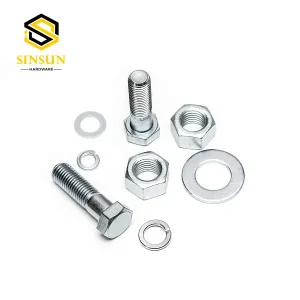
To select the right washer, choose one with an inside diameter that closely matches the thread diameter of the bolt. Additionally, consider the outer diameter and thickness based on the load-bearing requirements of your project.