Hot-dip galvanized welded wire mesh is a cornerstone material utilized across civil engineering, heavy construction, industrial security, agricultural protection, and marine applications. At its structural core, the mesh is formed by intersecting steel wire lines welded at their junctions via automated, high-precision thermal electrical resistance welding. This fusion creates a highly rigid grid structure with exceptional shear resistance and tensile stability.
The defining performance characteristic of this mesh lies in its zinc protection coating. By submerging welded carbon steel wire into a bath of pure molten zinc at temperatures ranging from 440°C to 460°C, a metallurgical bonding process occurs. A series of iron-zinc alloy layers are formed, sealed by a pure outer layer of zinc. This coating shields the underlying steel structure from oxidation, mechanical wear, and corrosive atmospheric pollutants.
We classify welded wire mesh into two primary production sequences, both critical for various engineering designs:
Our hot-dip galvanized wire mesh panels and rolls are engineered to meet strict international standards, including ASTM A740, ASTM A185, and EN 10223-4. Review our manufacturing configurations below.
| Mesh Aperture Size (Inches / mm) | Wire Gauge Range (AWG / mm) | Zinc Coating Weight (g/m²) | Tensile Strength (MPa) | Primary Industrial Use Cases |
|---|---|---|---|---|
| 1/4" x 1/4" (6.4mm x 6.4mm) | 23 AWG to 20 AWG (0.6mm - 0.9mm) | 120 - 220 g/m² | 450 - 550 MPa | Pest barriers, snake fencing, fine plastering reinforcement |
| 1/2" x 1/2" (12.7mm x 12.7mm) | 19 AWG to 16 AWG (1.0mm - 1.6mm) | 150 - 240 g/m² | 450 - 600 MPa | Poultry housing, agricultural guards, ventilation grilles |
| 1" x 1" (25.4mm x 25.4mm) | 16 AWG to 12 AWG (1.6mm - 2.6mm) | 200 - 280 g/m² | 500 - 650 MPa | Industrial machinery guarding, perimeter fencing, cage building |
| 2" x 2" (50.8mm x 50.8mm) | 12 AWG to 8 AWG (2.6mm - 4.0mm) | 240 - 360 g/m² | 500 - 700 MPa | Heavy safety barriers, warehouse racking dividers, highway fencing |
| 3" x 3" / 4" x 4" (75mm to 100mm) | 10 AWG to 6 AWG (3.2mm - 5.0mm) | 300 - 450 g/m² | 550 - 750 MPa | Concrete slab reinforcement (WWM), gabion boxes, retaining walls |
Our precision is driven by German-imported machinery, precision Taiwanese technology, and a dependable staff of trained metallurgical specialists.
We source carbon steel coils exclusively from top-tier mills, including Xingtai Steel and Ansteel Group, utilizing over 10,000 tons of high-grade raw steel annually. Spheroidizing annealing is conducted in-house to optimize microstructure before drawing.
Our drawing facility reduces wire rod diameters down to precise tolerances of ±0.02mm. Controlled mechanical deformation strengthens the steel core, maintaining uniform ductility throughout.
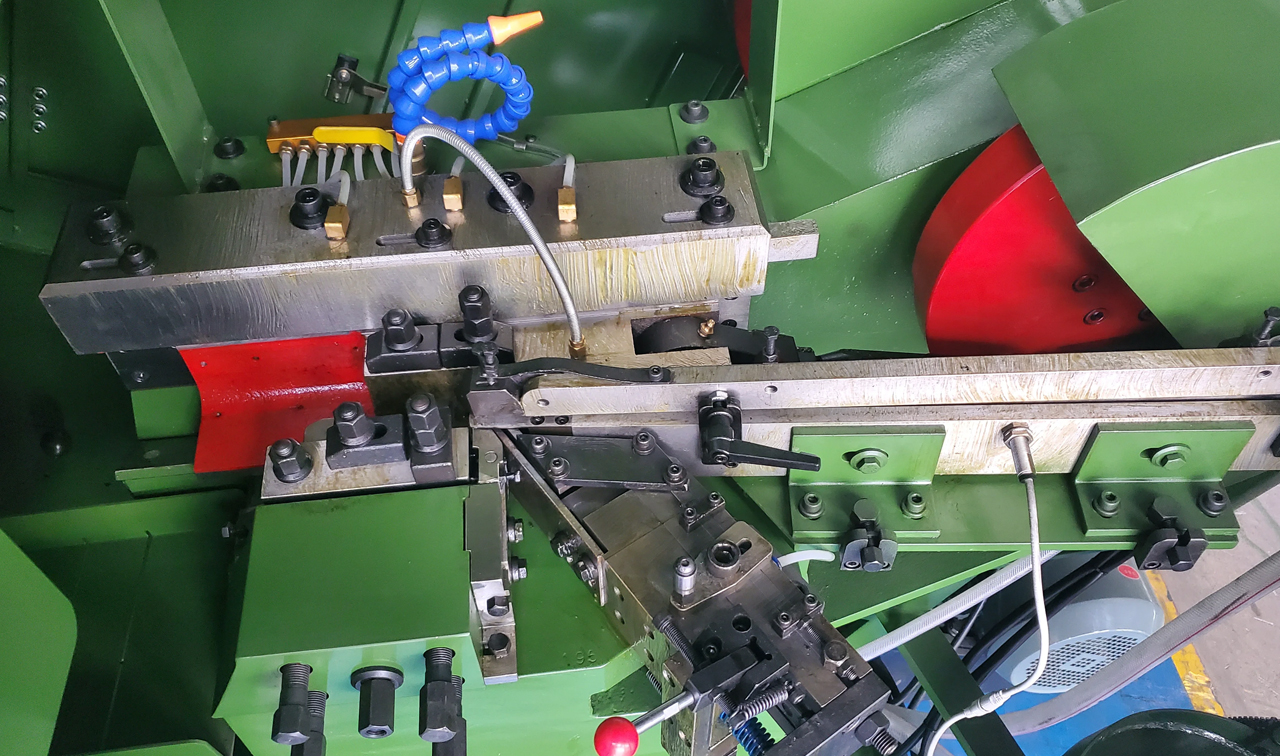
Using automated, multi-point welding rigs, we ensure high fusion strength at every joint. The welding process is calibrated to prevent wire thinning, ensuring a joint shear strength exceeding 75% of the parent wire tensile strength.
Submerging our welded grids into high-temperature zinc baths provides complete coverage. This forms a protective layer that outperforms standard electro-galvanized meshes in salt-spray exposure testing (1000+ hours).
Every production batch undergoes 12+ strict quality control checks. This includes measuring surface polish (Ra ≤ 0.4μm), zinc thickness, weld joint load limits, structural alignment, and testing for physical micro-cracks.
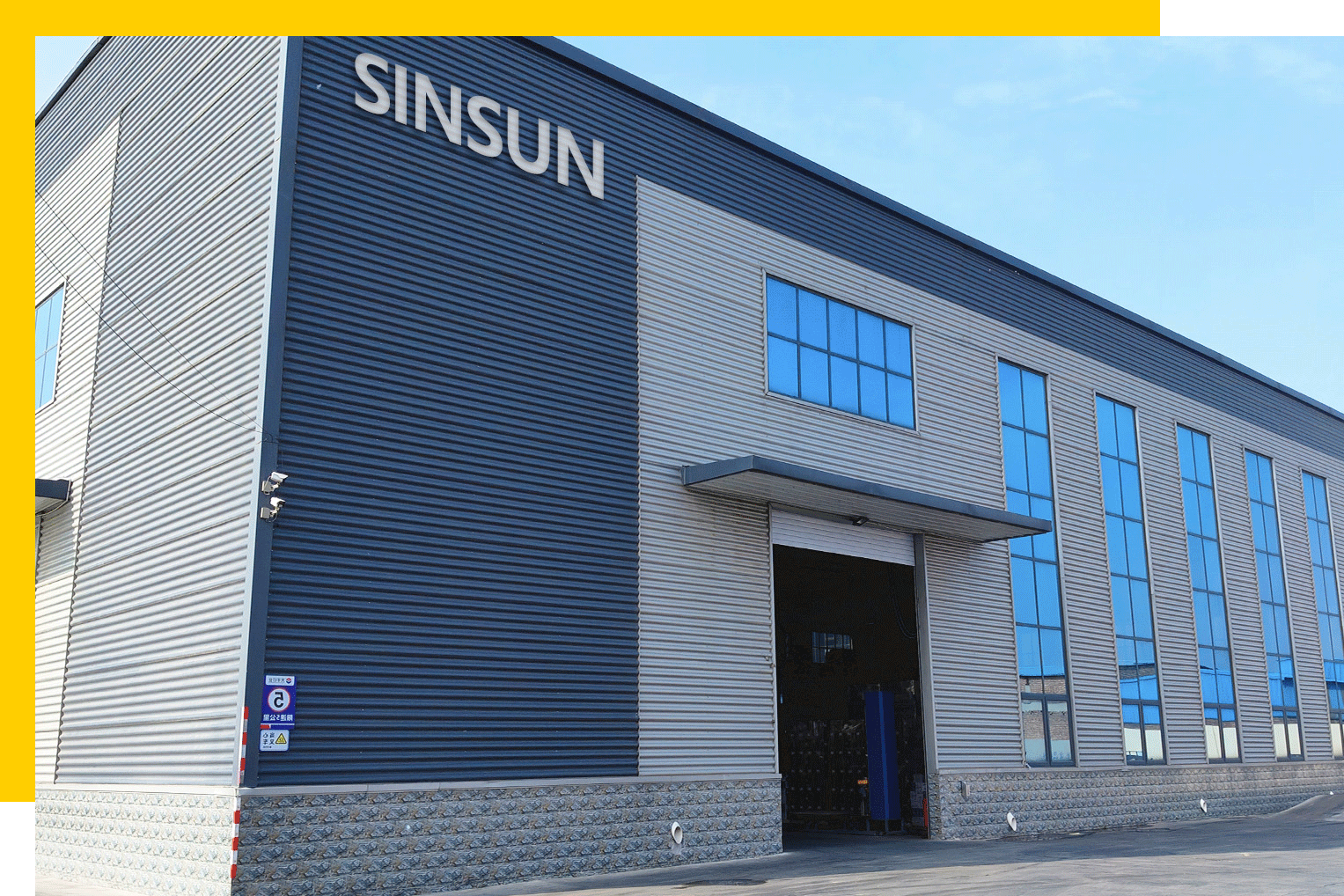
Our 12,000 sqm smart warehouse manages inventory with 18,000+ pallet capacity. Real-time tracking from raw material allocation to final delivery ensures rapid lead times and over 99% on-time dispatch.
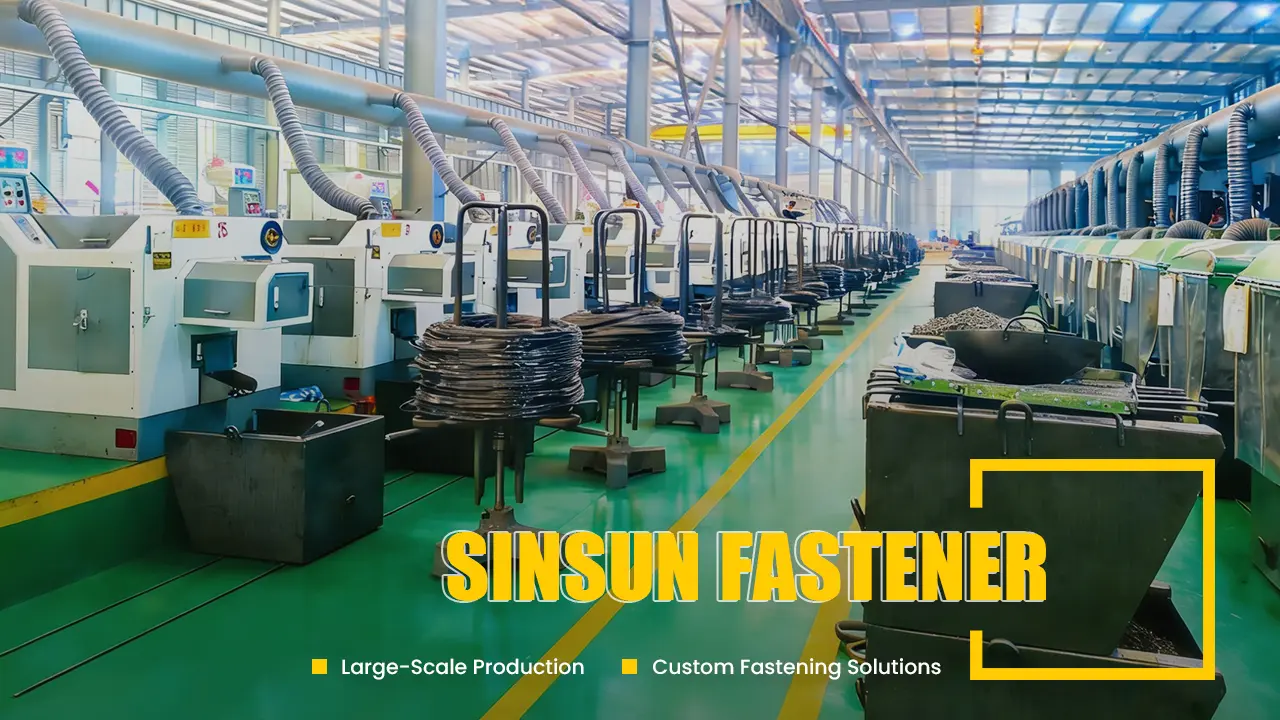
Global distributors choose Sinsun Hardware because our operations are integrated from raw material to finished product. Rather than sourcing semi-finished wire components from secondary vendors, we manage the entire manufacturing cycle within our facility.
By operating our own spheroidizing annealing furnaces and drawing machines, we control the mechanical properties of the steel before it reaches the welding rigs. This vertical integration reduces production bottlenecks, eliminates third-party markups, and allows us to adjust quickly for custom orders.
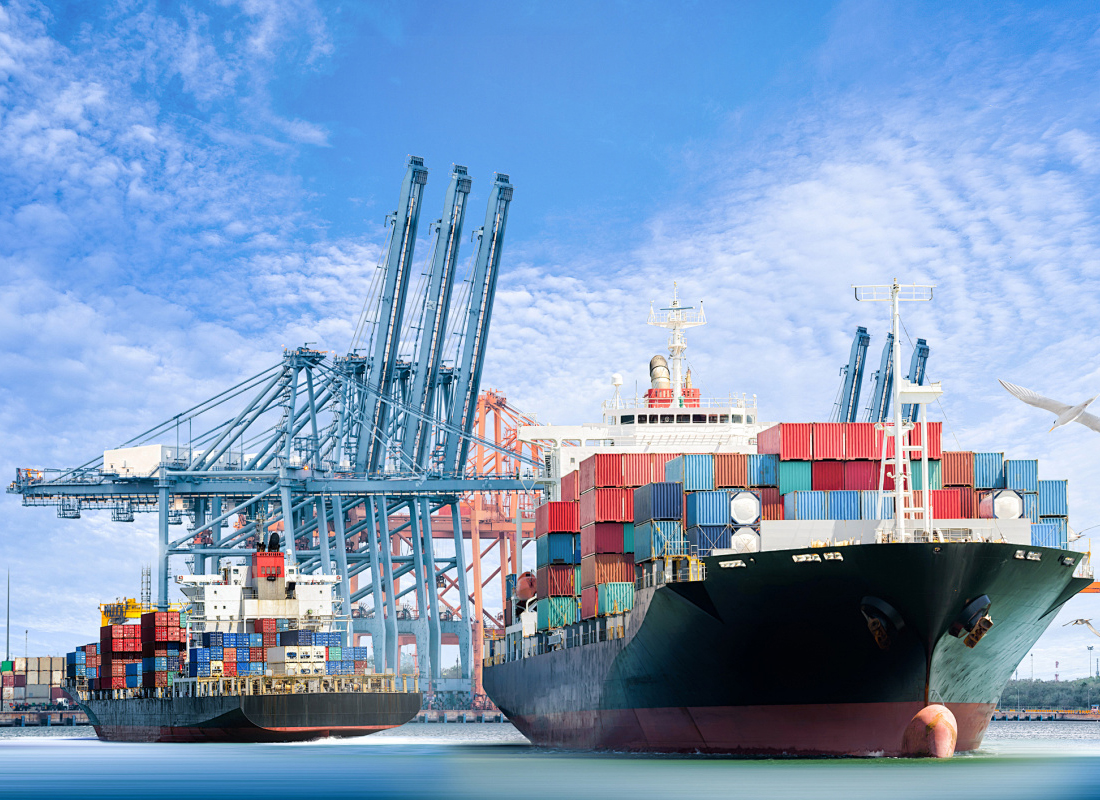
Additionally, our proximity to Tianjin Port provides logistics advantages. With daily shipments to major international routes and an automated packaging system that processes over 3,000 cartons per hour, we handle large volume orders efficiently, loading over 50 TEUs daily.
Navigating customs requirements, regional building codes, and safety standards is straightforward with Sinsun. We provide comprehensive documentation to support global distribution and local project approvals.
Our galvanized mesh products are manufactured in accordance with major standards, including ASTM A740 (standard for hardware cloth), ASTM A185 (for concrete reinforcement), and EN 10223-4 (for agricultural and industrial fencing).
We offer customized OEM packaging, including 3D design previews, custom branding, multi-language retail labels, and high-density outer cardboard tubes to protect roll edges during transit.
We provide full documentation for imports, including Certificates of Origin (Form A, Form E), mill test reports, chemical analysis statements, and customs clearance support for key global markets.
Our wire mesh is used in diverse environments, from heavy-duty civil engineering projects to high-humidity agricultural settings.
Challenge: An industrial park operator needed perimeter fencing that could withstand high atmospheric humidity and physical impacts without showing signs of structural failure.
Solution: We provided custom GAW mesh panels featuring a 2.6mm wire diameter and a 260 g/m² zinc coating, ensuring the welded points remained protected.
Result: Over 15,000 meters installed with zero corrosion or joint failures reported, even in demanding coastal conditions.
Challenge: A highway project in a mountainous area required heavy-duty galvanized mesh cages for stone fill to stabilize slopes prone to soil erosion.
Solution: We supplied 4.0mm heavy wire gauge rolls with a zinc coating weight exceeding 300 g/m², providing structural support under load.
Result: The slope stabilization system was successfully installed, meeting safety standards and project lifecycle goals.
Manufacturers are transitioning to automated welding systems that adjust current and pressure in real-time, reducing weld spatter and maintaining wire integrity at intersections.
Closed-loop heating systems and advanced emissions filtering help minimize energy use and raw material waste during the hot-dip galvanizing process, meeting updated environmental guidelines.
B2B procurement teams increasingly require thicker protective zinc coatings and documented shear strength test results to ensure long-term durability in civil and agricultural projects.
Find detailed answers to common technical, logistics, and quality assurance questions about our welded wire mesh.
Our engineering and production teams are ready to assist. Send us your project technical requirements, wire dimensions, and target zinc coating weights. We will provide a solution-focused quotation within 48 hours.
Request a Professional Quote