ODM Thin Nyloc Nuts Manufacturer & Manufacturers

Providing Precision-Engineered Low-Profile Self-Locking Fasteners for Demanding OEM & Industrial Operations Worldwide

Engineering Low-Profile Self-Locking Fasteners: The Technological Rise of Thin Nyloc Nuts

In modern high-vibration and space-constrained industrial assemblies, traditional hex locking nuts fall short. The demand for compact components that guarantee reliable torque maintenance has driven engineering departments to adopt Thin Nyloc Nuts (DIN 985 / ISO 10511). Standard nylon-insert lock nuts provide exceptional resistance to backing off under dynamic loads, yet their physical height often prohibits their integration into ultra-thin panel stacks, micro-motors, automotive electronics, and lightweight consumer technologies. This is where high-precision ODM manufacturing comes into play.

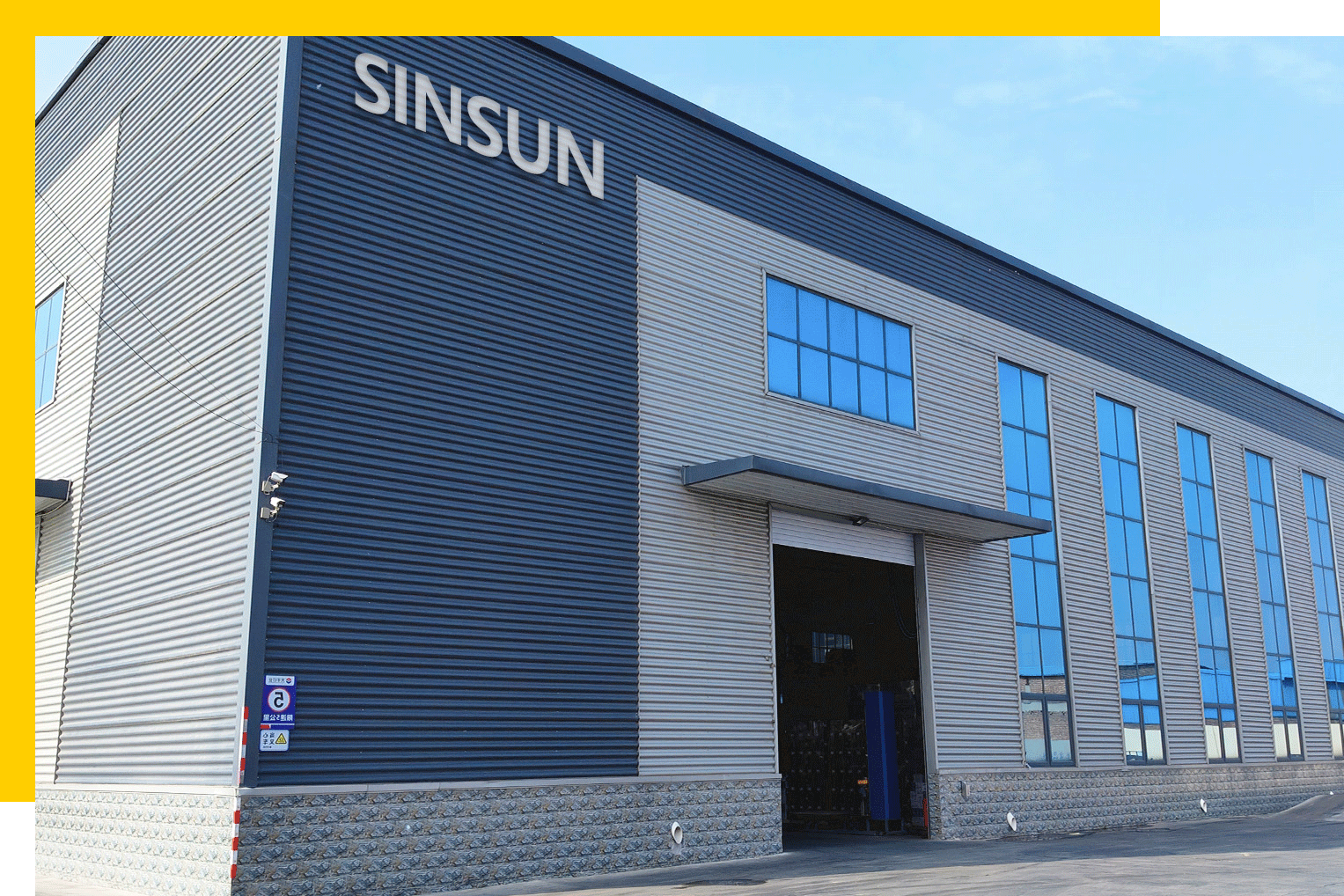
As a global OEM and ODM thin nyloc nuts manufacturer, Sinsun Hardware addresses this demand by providing low-profile self-locking solutions tailored to stringent dimensional tolerances. Standard off-the-shelf items struggle with thread compliance and locking insert integrity when height constraints force a reduction in material thickness. Our optimized cold forging techniques and specialized toolpaths ensure that even at sub-standard heights, the nylon insert retains its structural elasticity, securing threads reliably through dozens of service cycles.

20,000+
SKUs Offered
30,000㎡
Integrated Production Facility
18,000+
Pallet Smart Warehouse Capacity
8,500+
Containers Shipped Annually

Thin Nyloc Nuts: Global Industry Trends & Structural Evolution

The global fastening industry is experiencing a massive paradigm shift fueled by electrification, lightweighting, and automated electronics assembly. Engineers are seeking ways to shaved weight off battery housing systems, micro-robotic limbs, and compact sensory arrays without sacrificing joint safety. Traditional fasteners are bulky, adding unnecessary weight and height profiles to designs.

Consequently, the transition towards low-profile locking nuts is accelerating. Major industry indicators highlighting this evolution include:
  • Miniaturization of Electronic Assemblies: Thin Nyloc Nuts allow printed circuit boards (PCBs) and internal housings to be secured in tight cavities without risk of short circuits or structural interference.
  • Material Science Upgrades: Modern applications demand a combination of carbon steel, stainless steel (A2/A4), and non-standard alloys paired with high-performance polymer rings (Polyamide 6/66) that resist temperature-induced degradation.
  • Prevailing Torque Stability: Regulatory safety frameworks now dictate zero tolerance for joint failures in automotive and aerospace electronics. Lock nuts must maintain minimum prevailing torque limits even under thermal cycling from -40°C to 120°C.
Sinsun Quality Fastening Production Process

Value Proposition of Thin Nyloc Nuts vs. Standard Locking Fasteners

While standard DIN 982 nyloc nuts are reliable, they add substantial volume. Thin Nyloc Nuts (DIN 985 / ISO 10511) reduce height requirements by up to 35%, while maintaining high anti-loosening properties. This spatial efficiency prevents interference in rotating machinery, aerospace hinges, and sleek structural configurations.

Navigating Supply Chain Dynamics for Industrial-Grade Thin Nyloc Nuts

Procurement directors face major hurdles regarding metallurgical consistency, dimensional accuracy, and supply chain continuity. Here is how Sinsun Hardware tackles these challenges head-on.

Raw Material Integrity

Our steel is sourced exclusively from Ansteel Group, utilizing premium C1022A and other high-grade carbon and stainless steels. We execute in-house spheroidizing annealing and wire drawing to guarantee consistent metal microstructures before cold forging starts.

Tolerances & Precision Threading

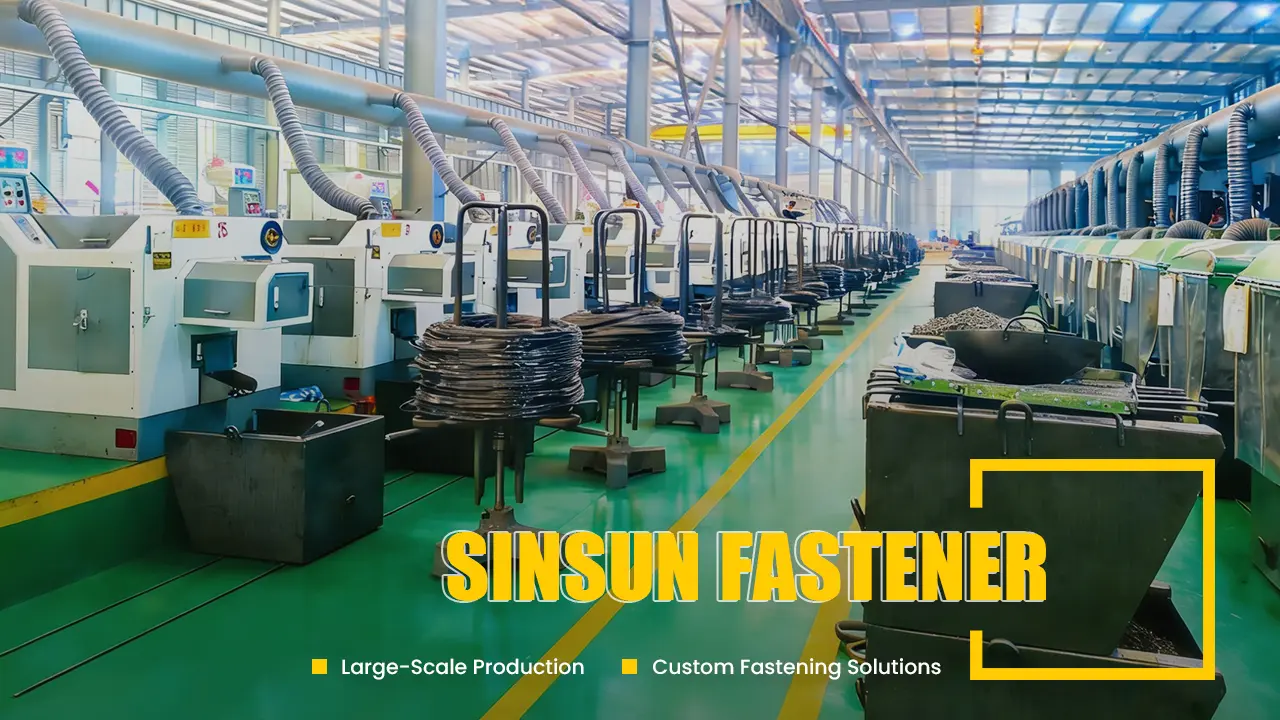
Leveraging Taiwanese precision production technologies and high-stability multi-station cold heading machinery, we maintain dimensional tolerances of ±0.02mm. This ensures smooth installation and zero thread misalignment during automated pneumatic tool assembly.

End-To-End Heat Treatment

Sinsun operates four specialized in-house heat treatment lines. This control provides consistent hardness profiles (HRC 28-32) and high strength (1,000+ MPa) without brittle fracture risk, extending the fatigue life of the nuts beyond 50,000 cycles.

Custom Engineering and ODM Capabilities for Thin Nyloc Nuts

Every industrial application comes with its own unique set of environmental constraints. Sinsun's engineering division does not simply supply generic nuts—we provide system-level engineering consultation. Our technical team works alongside your designers, from initial concept to finite element analysis (FEA) testing and volume delivery.

Our custom manufacturing possibilities include:
  • Material Customization: Carbon Steels (Class 4, 5, 8, 10), Stainless Steel (SS304, SS316, A4-80), Brass, and specialty alloys tailored for chemical or aerospace industries.
  • Surface Finishes: Eco-friendly trivalent zinc plating, Dacromet coating, zinc diffusion coating, Ruspert finish, and high-performance passivation capable of exceeding 1,000 hours of salt spray testing (Ra ≤ 0.4μm).
  • Nylon Ring Selection: From standard Polyamide 6 to advanced high-temperature fluoropolymers (PVDF/PTFE) designed to operate under exposure to harsh organic solvents or intense thermal cycles.
  • Thread Customization: Coarse threads, fine threads, extra-fine threads, and custom lead-in profiles for high-speed automated robotic tooling lines.
Sinsun High Precision Fastener Testing

Advanced Manufacturing Power & Production Scale

Established in 2006, Sinsun Hardware has grown from a startup to a trusted global supply chain leader. Our 30,000 sqm integrated production facility is equipped with German-imported multi-station cold heading machines producing parts with high efficiency. Supported by a 12,000 sqm smart warehouse maintaining an 18,000+ pallet capacity, we comfortably deliver over 8,500 containers annually.

Whether you require a customized one-piece prototype for aerospace validation or dynamic production capacities of over 100 million units monthly, Sinsun ensures zero defect quality controls and rapid lead times.

Technical Specification & Performance Roadmap

For engineering departments, structural safety calculations depend on predictable torque-tension relationships. Below is an engineering overview of Sinsun Thin Nyloc Nuts built to meet and exceed ISO 10511 / DIN 985 standards:

Metric Size Standard Pitch (mm) Total Nut Height (Max mm) Width Across Flats (mm) Min. Prevailing Torque (Nm)
M3 0.50 4.0 5.5 0.12
M4 0.70 5.0 7.0 0.22
M5 0.80 5.0 8.0 0.39
M6 1.00 6.0 10.0 0.60
M8 1.25 8.0 13.0 1.60
M10 1.50 10.0 17.0 2.80

The insertion of the nylon collar creates a radial compressive force against the male mating thread. This action creates a high frictional resistance, preventing the nut from backing off even when tension is entirely lost due to vibration or component wear-down. In comparison to metal-to-metal locking mechanisms, Nyloc technology prevents galling on critical stainless steel structures.

Rigorous Quality Assurance Framework: Zero-Defect Policy

Every single shipment leaving the Sinsun factory undergoes 12+ rigorous quality verification processes. Our internal inspection teams operate calibrated testing equipment to certify that all hardware conforms to chemical, mechanical, and dimensional parameters.

Our quality checks include:

  • Spectrographic Chemical Analysis: Ensures incoming coil rods from Ansteel exactly match chemical formulation parameters for carbon levels and alloying agents.
  • Automated Optical Sorter: High-resolution optical sorting machines inspect threads, flange heights, and nylon insert seating alignment to ensure zero defects at high speed.
  • Torque Tension Profiling: Determines prevailing torque patterns under multiple installation and extraction cycles to safeguard reusing limits.
  • Salt Spray & Environmental Corrosive Chamber: Subjects coatings (Zinc, Dacromet, Zinc-Nickel) to prolonged saline exposure, confirming protection from rust for up to 1,000+ hours.

Full Batch Traceability

We supply complete material test reports (MTR), heat treatment certification, and dimensional inspection records with every shipment. Utilizing modern ERP integration, our components are fully traceable back to the raw steel rod batch, providing high assurance for aerospace, medical, and defense contracts.

Technology Roadmap & Sustainability Innovations

As regulatory agencies globally strengthen restrictions on heavy metals and chemical exposures, Sinsun is ahead of the curve. Our product development pipeline is focused on driving sustainable materials and next-generation locking technologies.

Key projects in our 2025-2030 development plan include:

  • Hexavalent Chromium Elimination: 100% of our passivation coatings are free from hazardous materials, aligning with RoHS and REACH regulations for global distribution.
  • Bio-Based Locking Inserts: We are testing plant-derived bio-polymers to replace traditional petrochemical nylon, offering comparable mechanical properties with a significantly reduced carbon footprint.
  • Advanced Friction Modifiers: Introducing thin-film dry lubricants integrated with surface coatings to guarantee highly uniform torque-tension coefficients, eliminating the need for extra lubricant during assembly.
  • High-Temperature Polymer Inserts: Expanding custom engineering lines with PEEK (Polyether ether ketone) lock-rings, extending thermal limits to 250°C for deep-well drilling and exhaust applications.

Frequently Asked Questions

Technical answers from our fastener engineering department.

What is the difference between standard and thin nyloc nuts?
Standard Nyloc Nuts (DIN 982) feature a taller height profile which allows for deeper thread engagement and a thicker locking ring. Thin Nyloc Nuts (DIN 985 / ISO 10511) have reduced overall thickness (low profile). They are used in applications with limited clearance or when weight savings are required, while still providing strong vibration resistance.
Are thin nyloc nuts reusable?
Yes, thin nyloc nuts are reusable to a degree, but their prevailing locking torque degrades slightly after each removal. In critical applications (such as automotive safety components or aerospace structural joints), standard guidelines recommend using a new nut during re-assembly to ensure optimal locking forces.
What temperatures can standard thin nyloc nuts withstand?
Standard Nyloc Nuts equipped with Polyamide (Nylon) inserts operate reliably at temperatures ranging from -40°C to 120°C. For extreme temperature situations, we offer custom ODM solutions utilizing PEEK or Fluoropolymer inserts which withstand temperatures up to 250°C.
Can you provide custom materials and specific plating specifications?
Yes, custom engineering is our core specialty. We can manufacture Thin Nyloc Nuts from high-tensile carbon steels, Stainless Steel SS304/SS316, Brass, and high-performance alloys. Available surface finishes include zinc plating, Ruspert, Dacromet, and zinc diffusion, with performance exceeding 1,000 hours in salt spray chambers.
How do you guarantee quality control and trace supply chain issues?
Every production batch undergoes 12+ strict testing checks including raw material steel rod certification, optical sort imaging, hardness profiling, and torque resistance metrics. Our smart warehousing and ERP system connect raw material batches all the way to finished product boxes, delivering complete logistics transparency.

Ready to Secure Your Fastener Supply Chain?

Get in touch with Sinsun Hardware's engineering specialists. We will analyze your blueprints, provide detailed material suggestions, and supply sample prototypes for your testing protocols.

Request Technical Quote