1 / 1

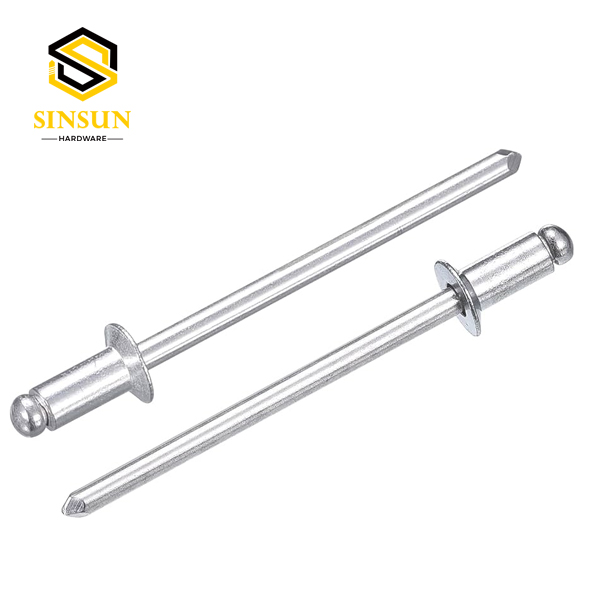
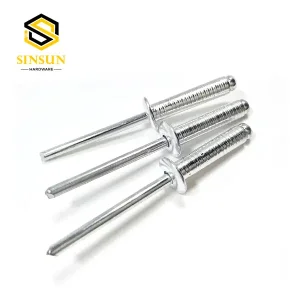
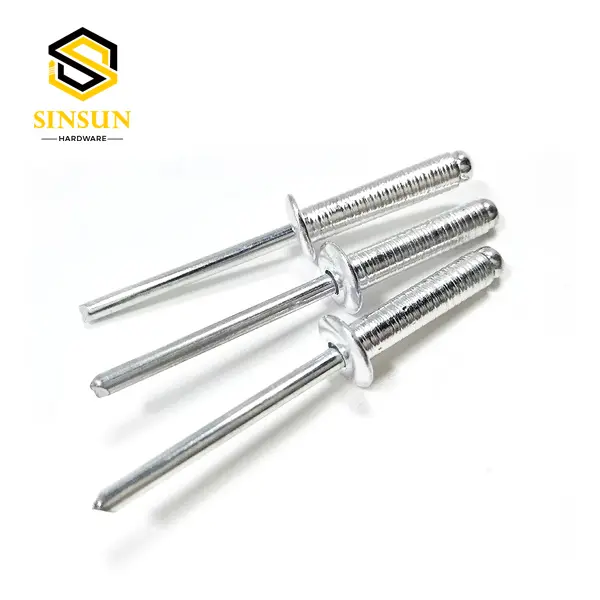
Countersunk rivets are designed to fit flush with the surface of the joined materials. They are commonly used when a smooth, aerodynamic, or flat surface is required, preventing snagging or drag.
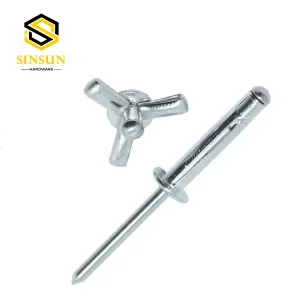
Exploding rivets expand outward upon installation, creating a wider blind-side footprint. This design makes them ideal for fastening softer materials, plastics, or wood, as it prevents the fastener from pulling through.
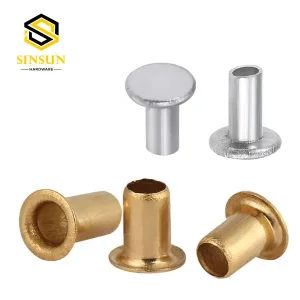
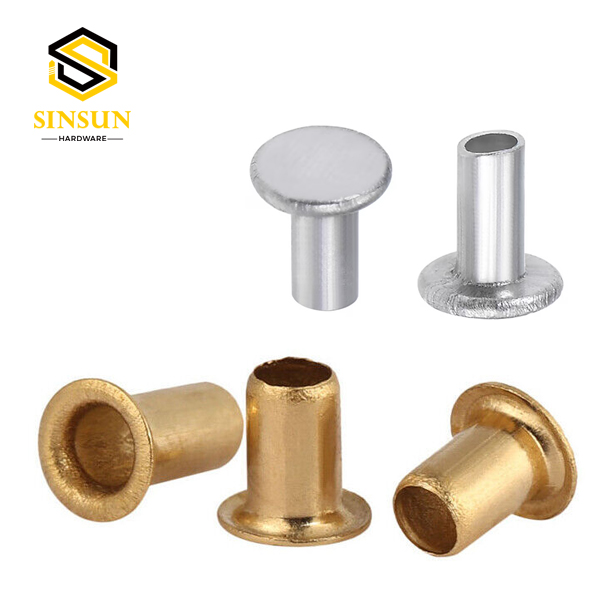
Tubular rivets require less force to install compared to solid rivets. They are excellent for pivot points, hinges, or lightweight assemblies where secure, semi-permanent fastening is needed.
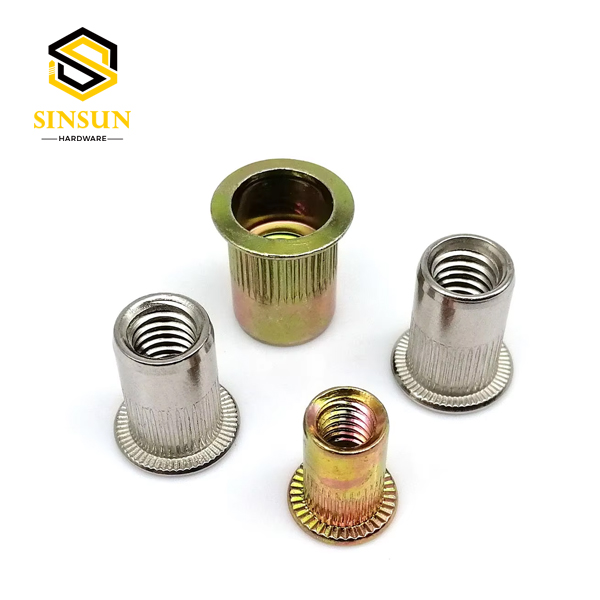
Rivet nuts are ideal for providing strong, load-bearing threads in thin sheet metals or plastic materials where standard tapping is impossible. They allow for easy bolt assembly and disassembly.
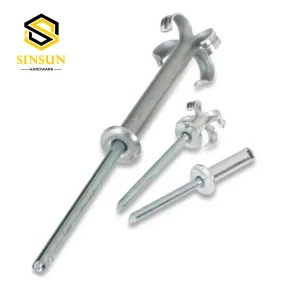
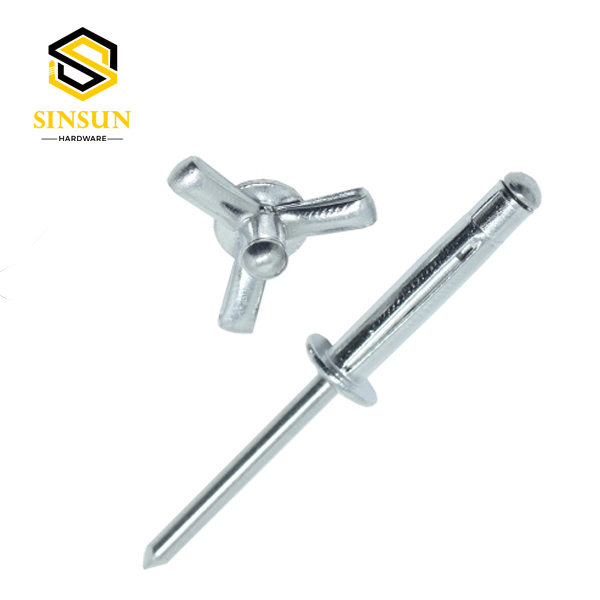
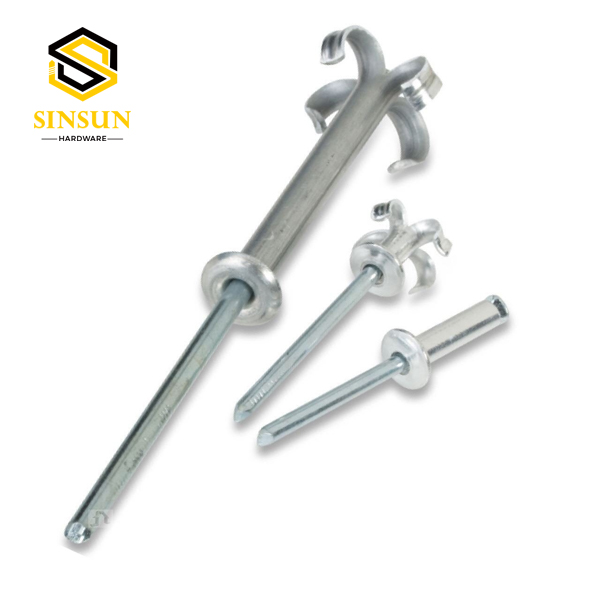
Peel rivets split into multiple "petals" upon expansion, which distributes the clamping pressure over a larger surface area. They are highly suitable for joining brittle, soft, or uneven materials.
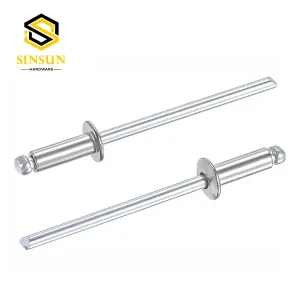
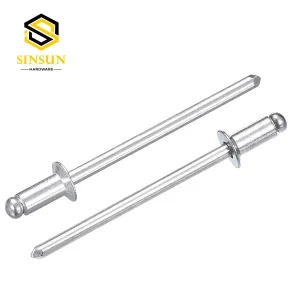
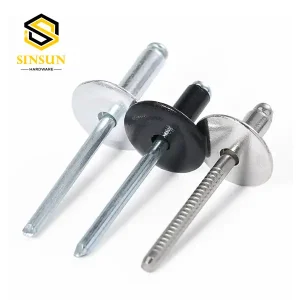
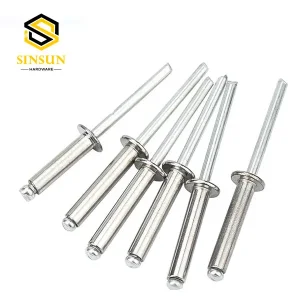
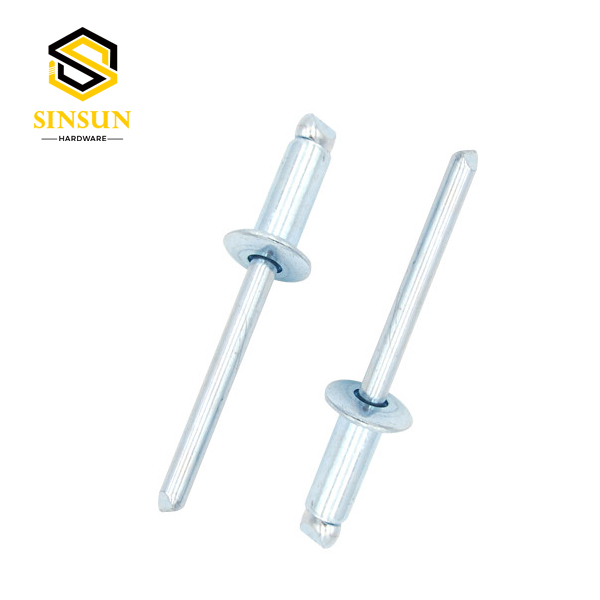
Open end rivets are versatile blind fasteners used for general assembly. Unlike closed end rivets, the mandrel head is not completely sealed inside, making them best suited for standard applications where moisture-proofing is not critical.